英语
英语 中文简体
中文简体In the last few years, water heating mattresses have quietly become a hot topic in the home comfort market. Not "hot" as in trendy, but hot as in literally warm. As winters get harsher in some regions and people pay more attention to sleep quality, this product has been growing fast. For manufacturers, it's a smart segment to focus on because it's not just a seasonal item anymore—it's becoming a year-round comfort solution.
What is a water heating mattress?
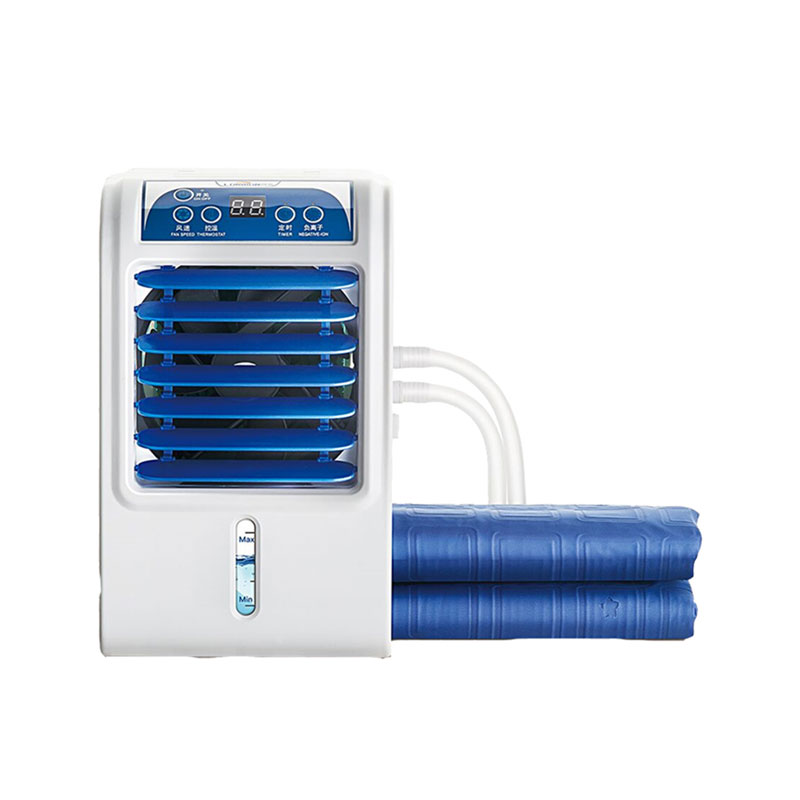
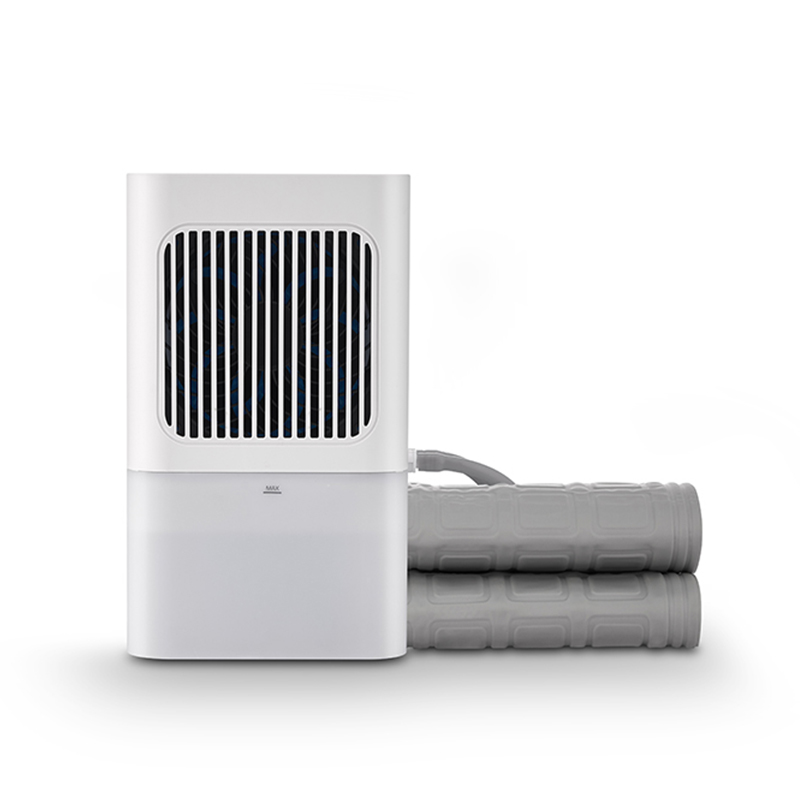
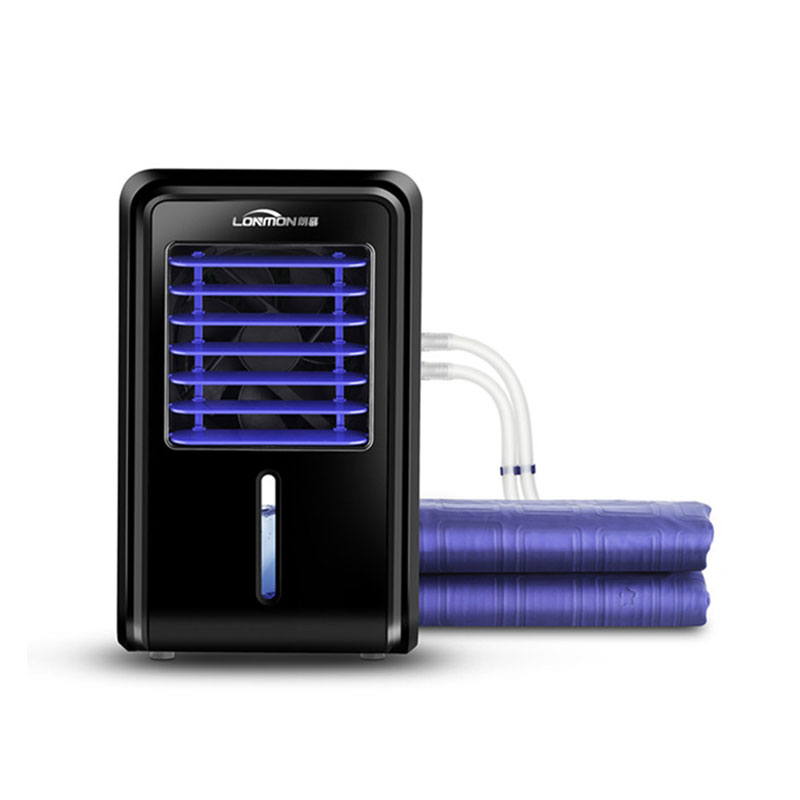
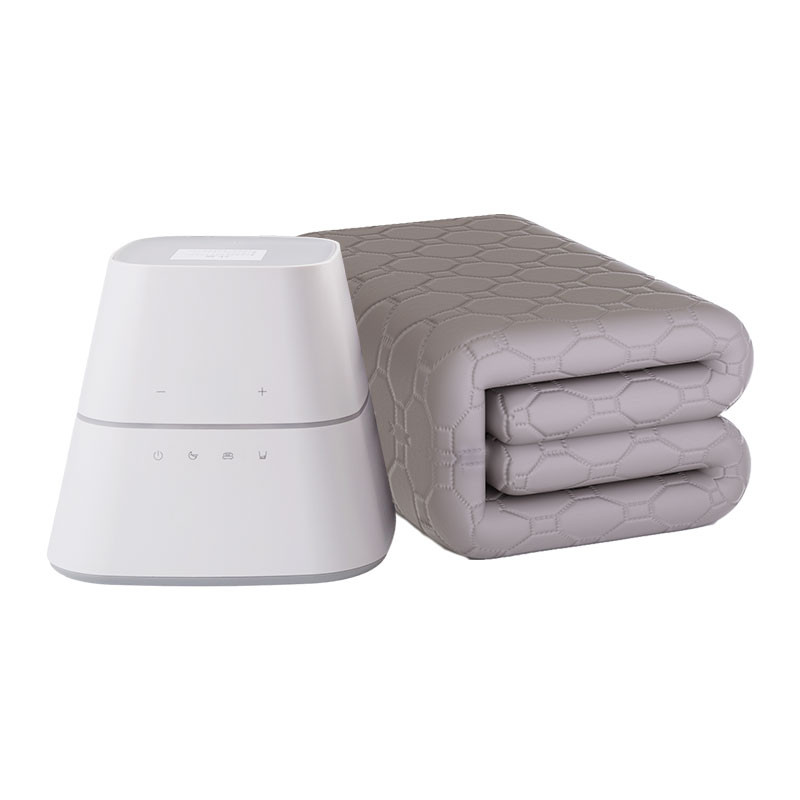
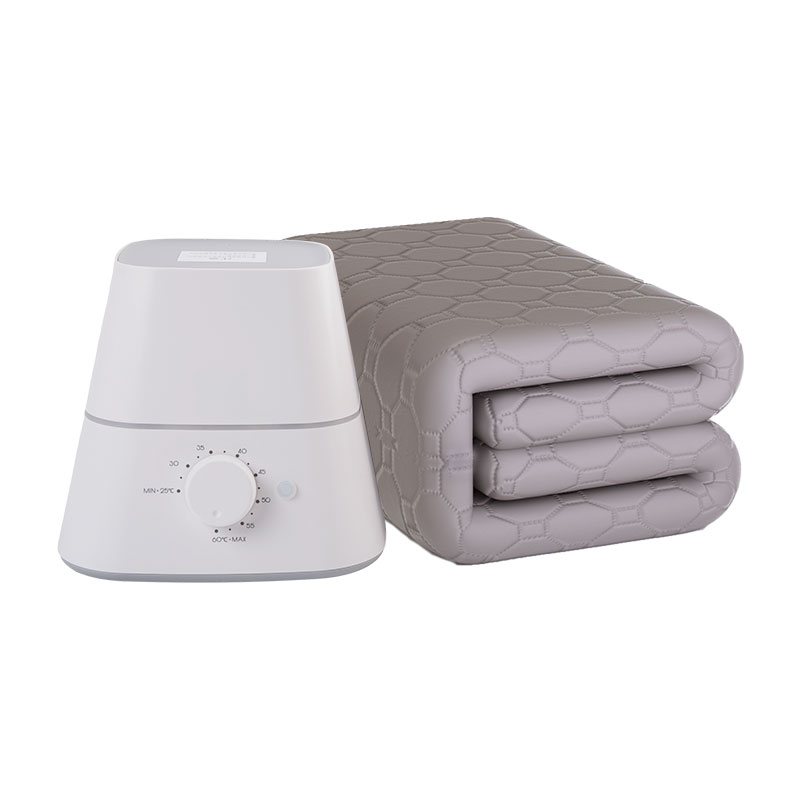
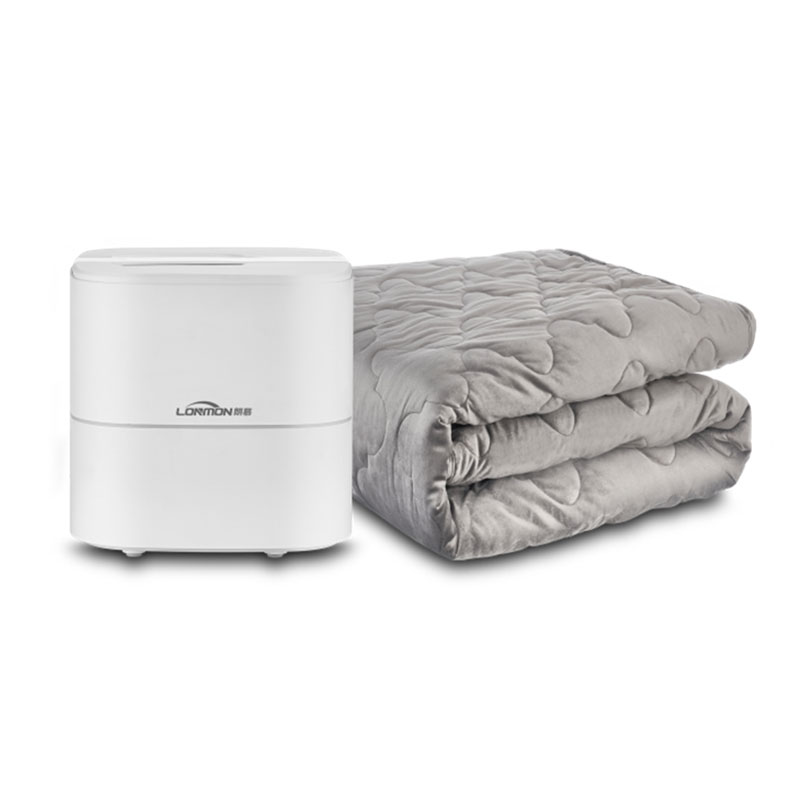
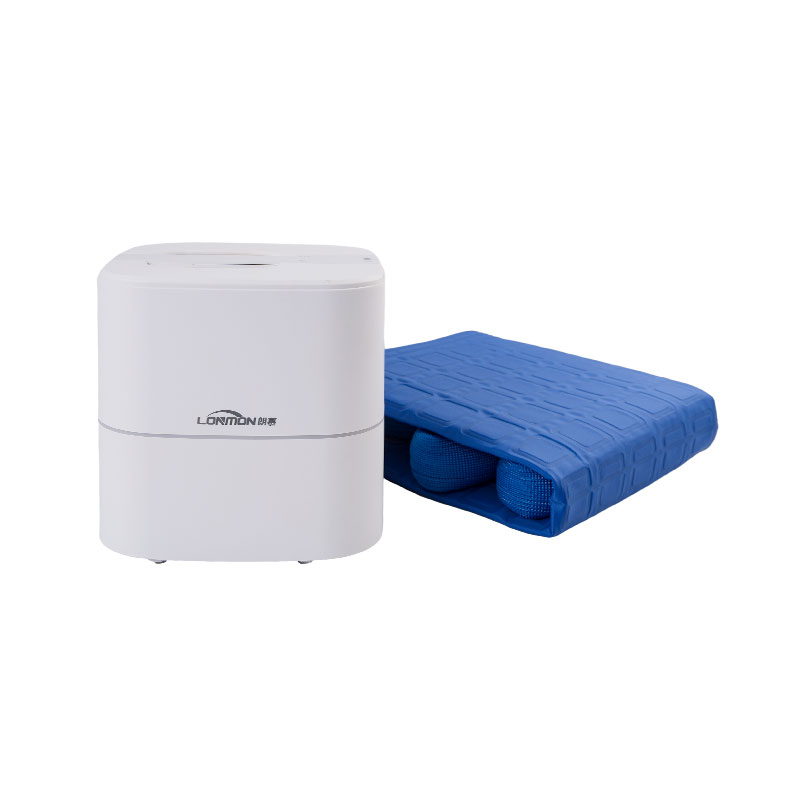
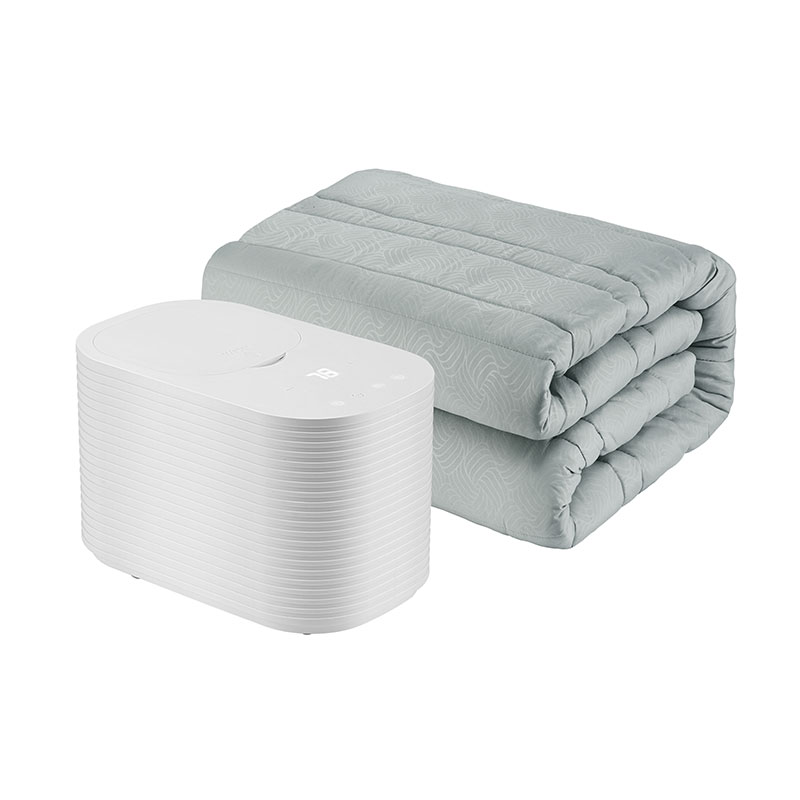
A water heating mattress is basically a mattress that heats up using a circulating water system. Instead of electric wires or heating coils embedded directly in the mattress, it uses tubes or channels filled with warm water. A separate heating unit warms the water and pumps it through the mattress, providing steady, even warmth across the sleeping surface.
Why does it matter?
Let's be honest: people don't want to wake up with cold feet or shiver under heavy blankets. The main reason water heating mattresses matter is comfort. But there's also a health angle. Warmth helps with blood circulation, muscle relaxation, and can reduce pain for people with arthritis or joint issues. And for families with elderly members, a warm bed can make a big difference in sleep quality and overall wellbeing.
From a manufacturing point of view, water heating mattresses also represent a shift toward smarter home products. They're no longer just "bed accessories"; they're part of the home heating ecosystem.
When is it used?
Water heating mattresses are mainly used during cold seasons, but they are not limited to winter. Here are common scenarios:
- - Winter nights when the room temperature drops
- - In regions with long cold seasons
- - For people who feel cold easily or have poor circulation
- - For elderly people and healthcare use
- - For people who want better sleep quality
They are also used in hotels, wellness centers, and nursing homes where comfort and temperature control are key.
How does it work?
The system is surprisingly simple, but it feels premium. Here's the basic workflow:
- 1. The heating unit warms the water to a set temperature.
- 2. A pump circulates the warm water through the mattress tubing.
- 3. The water spreads evenly, heating the entire mattress surface.
- 4. The water returns to the heating unit and the cycle repeats.
The key benefit is even heating. Unlike electric coils that can create hot spots, water circulation provides stable and consistent warmth.
What are the pros and cons?
Pros
One big advantage is comfort. The heat feels natural and steady, similar to a warm blanket but without the heaviness. It also offers better safety compared to direct electric heating elements, and it can be used for long periods without overheating. For people who sleep poorly due to cold, it can be a game-changer.
Cons
On the downside, water heating mattresses are more complex. They need a heating unit, pump, and tubing system, which increases cost and installation complexity. There is also a risk of leakage if the product quality is not high. Additionally, some users may find the system noisy if the pump is not well-designed.
What should manufacturers pay attention to?
Material and durability
The mattress material must be durable and resistant to wear. Since water is involved, the tubing and connections must be leak-proof and tested under pressure. Manufacturers should also ensure the surface fabric is comfortable and breathable.
Temperature control and safety
Temperature control is a big selling point. Users want easy control, stable warmth, and automatic shutoff. Adding features like temperature presets, timers, and safety alarms can improve user trust. A good control system can also reduce energy consumption.
Leak prevention
Leakage is the biggest worry for customers. To address this, manufacturers should focus on high-quality tubing, reinforced connections, and robust pressure testing. Including clear user instructions and a solid warranty can also help reduce customer concerns.
Energy efficiency
Water heating systems require a pump and heater, which means energy use can be higher than simple electric mattresses. Optimizing insulation and pump efficiency can help keep energy consumption reasonable while maintaining performance.
Quick comparison table: Water heating mattress vs electric heating mattress
| Feature | Water Heating Mattress | Electric Heating Mattress |
|---|---|---|
| Heat Type | Water circulation, even warmth | Electric coils, faster but uneven |
| Comfort | Steady, natural warmth | Quick heat but can be too hot |
| Safety | Lower overheating risk | Higher risk if used too long |
| Complexity | More complex, needs pump unit | Simple and lightweight |
Final thoughts
Water heating mattresses are more than a luxury item—they're a practical upgrade for better sleep and comfort. For manufacturers, this market is growing because people want smarter and more comfortable home products. The key is to balance comfort, safety, and reliability. If done well, a water heating mattress can become a strong product in the home appliance market.
In the end, a warm bed is a small thing that can make a big difference. And in a world where people are spending more time at home, that difference matters.