英语
英语 中文简体
中文简体Introduction to Water-Cooled Mattresses
A water-cooled mattress is a type of bedding system designed to help regulate the temperature of the sleeping surface by circulating cool water through a series of channels integrated into the mattress. This technology is primarily aimed at improving sleep quality by maintaining a comfortable and consistent temperature throughout the night. Water-cooled mattresses are often used by individuals who experience discomfort from heat retention during sleep or those who live in warmer climates. The central question surrounding water-cooled mattresses is whether they provide even temperature distribution across the entire surface of the mattress.
How Water-Cooled Mattresses Work
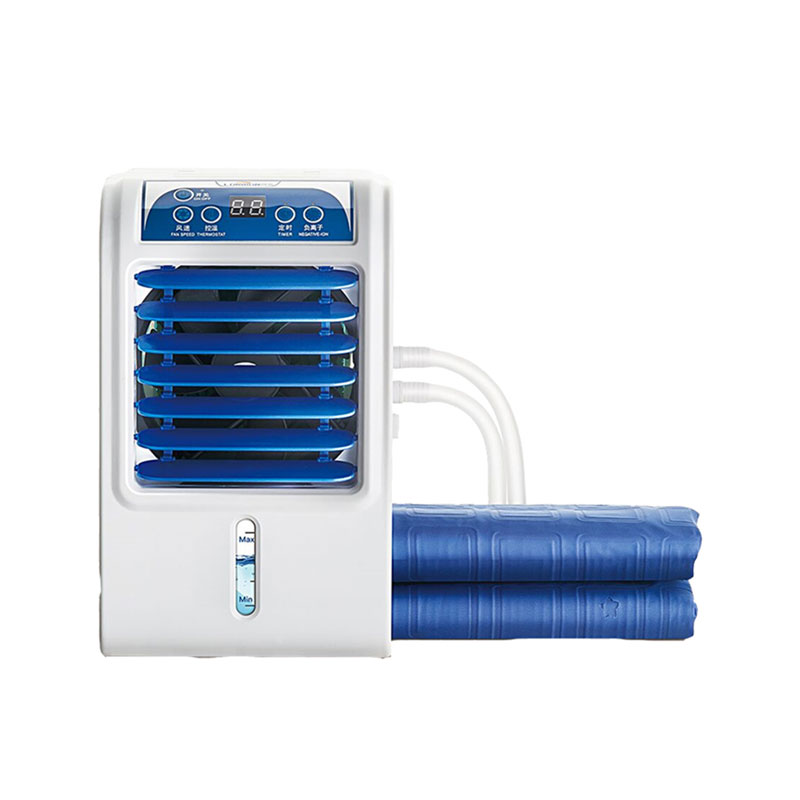
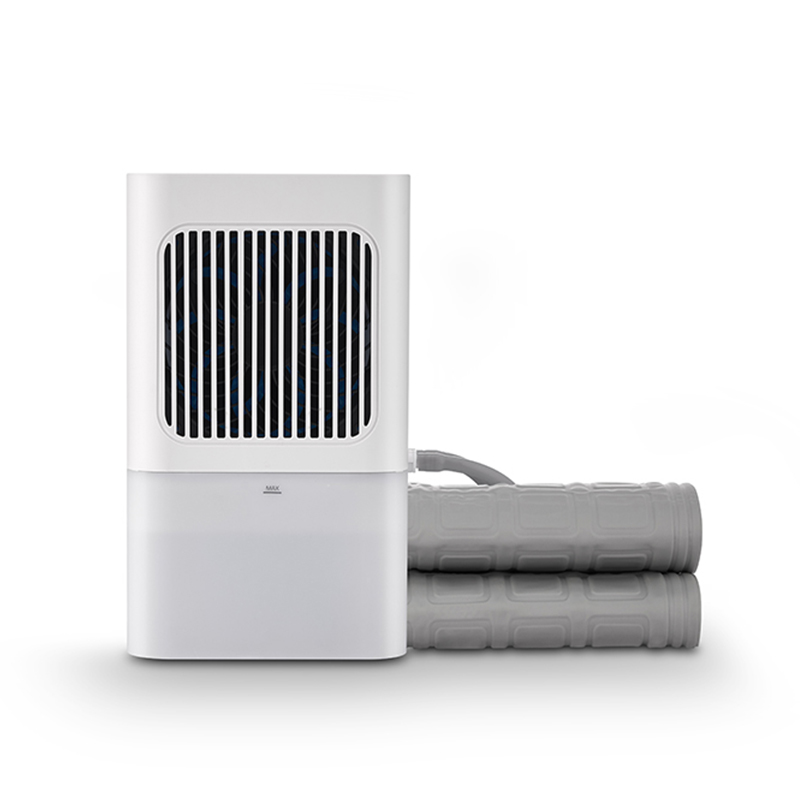
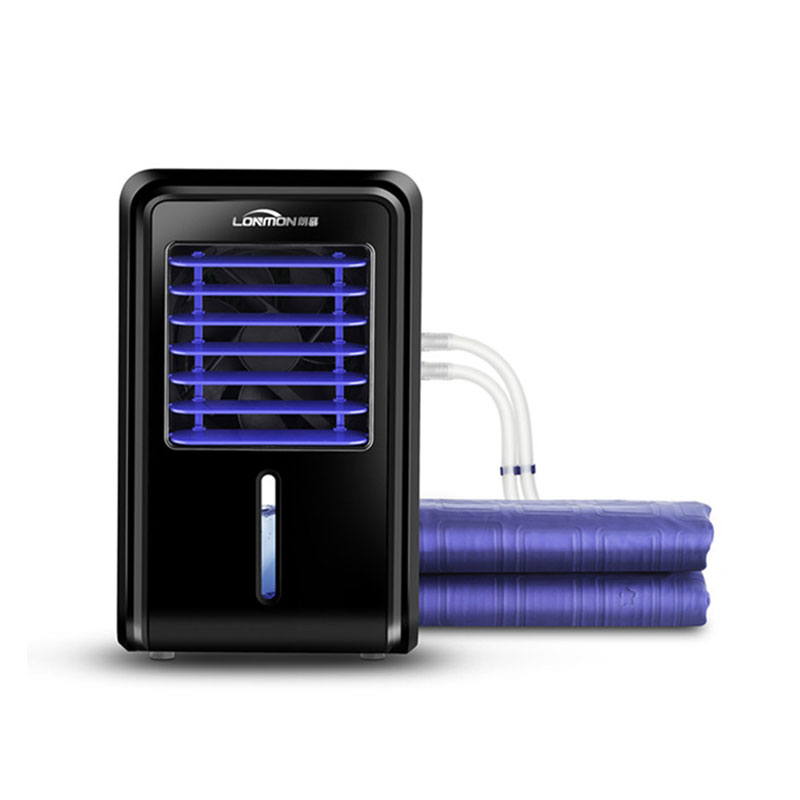
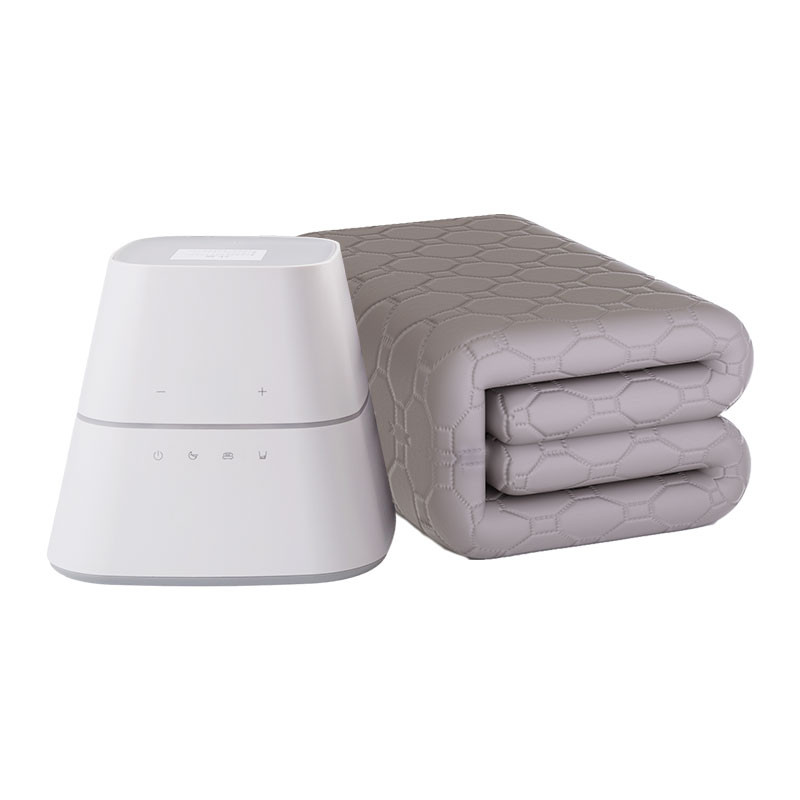
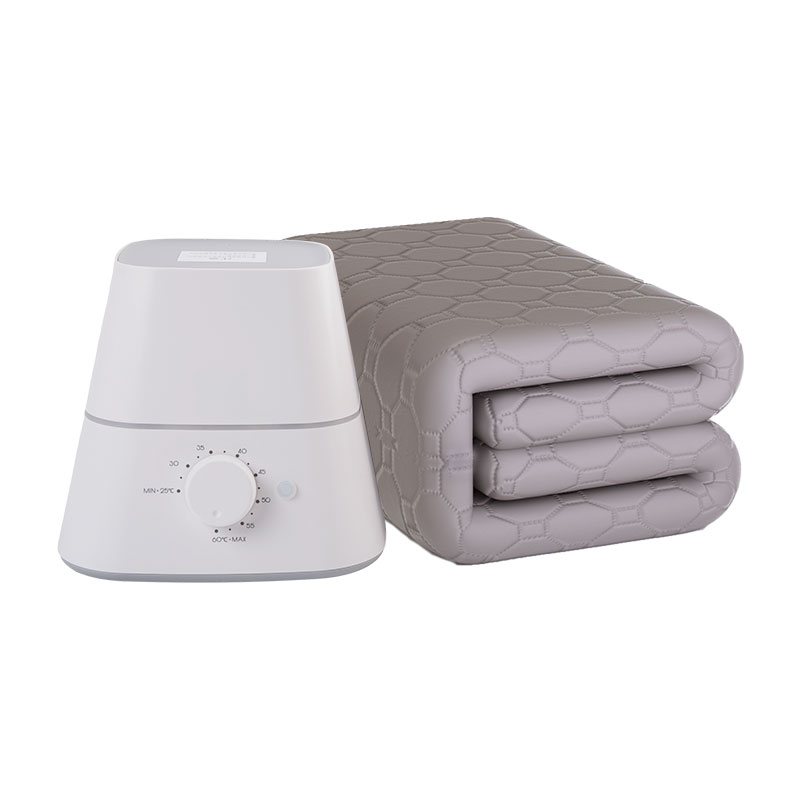
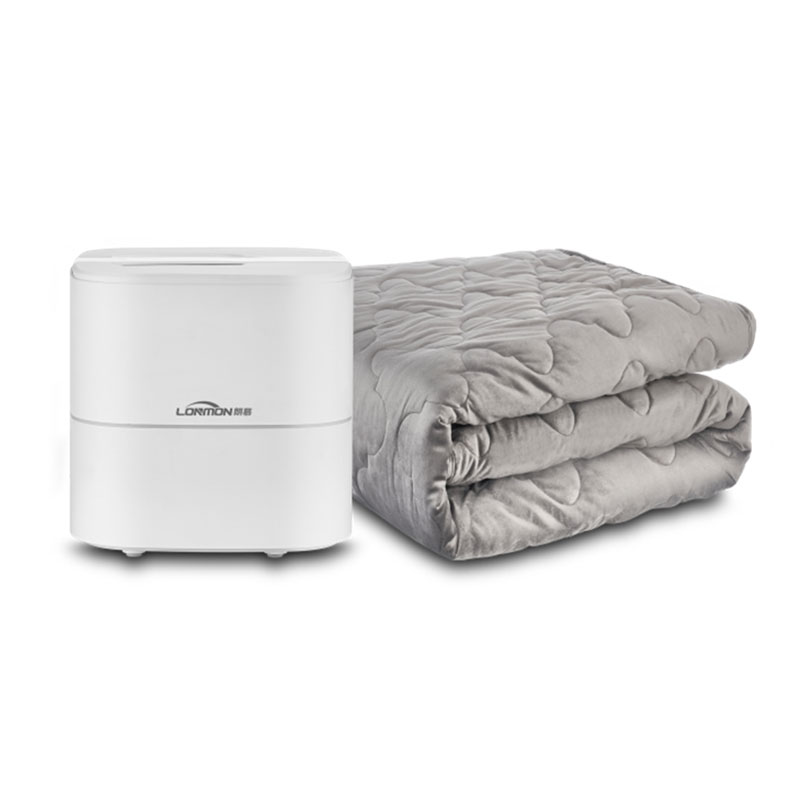
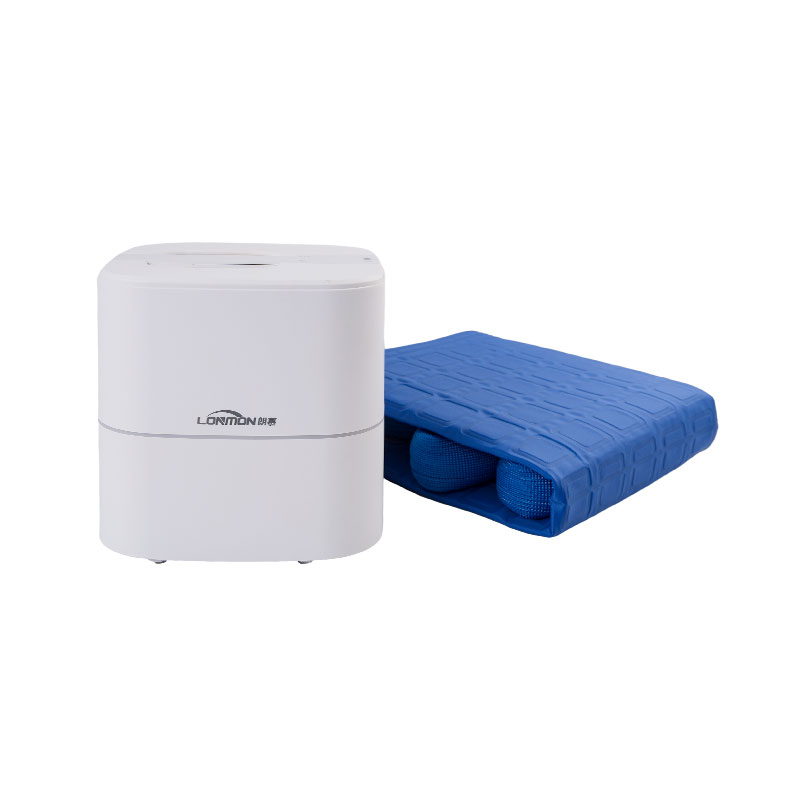
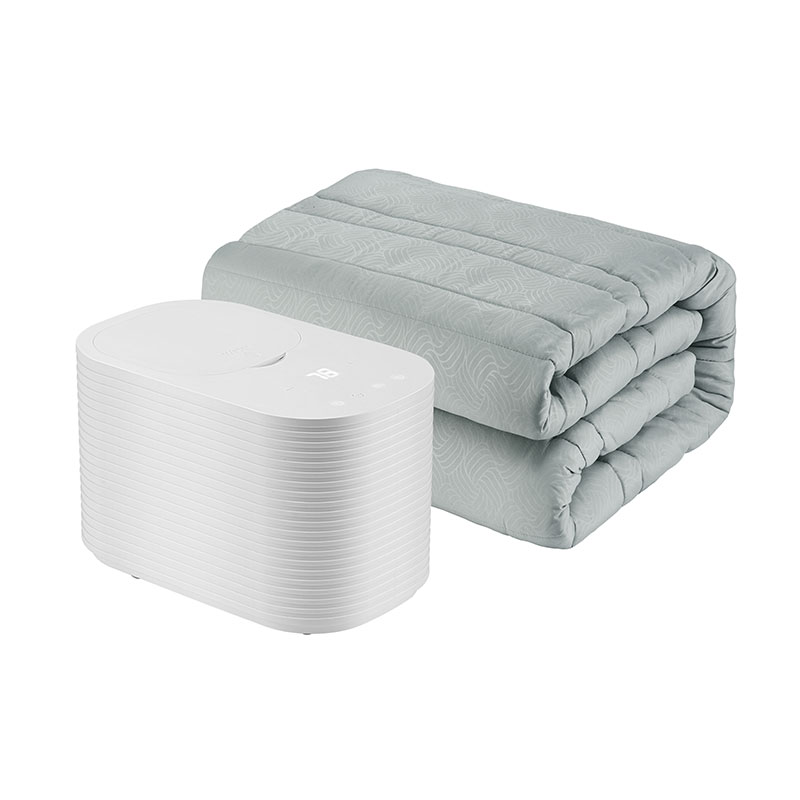
Water-cooled mattresses use a system of water-filled tubes or channels within the mattress to regulate temperature. These tubes are connected to an external unit, which cools the water before it circulates through the mattress. The temperature of the water can typically be adjusted, allowing the user to select the ideal temperature for their comfort. This system is designed to transfer the coolness of the water directly to the mattress surface, which in turn helps cool the sleeper’s body, promoting a more comfortable sleeping environment.
The idea behind water-cooling is simple: by using water, which has a high heat capacity, the mattress can absorb and distribute heat from the body more effectively than traditional bedding. The temperature of the water is maintained at a level that is cool enough to provide relief from body heat, but not so cold as to cause discomfort. However, the effectiveness of this temperature regulation depends on several factors, including the design of the mattress, the placement of the cooling system, and the materials used in the construction of the mattress itself.
Factors Affecting Temperature Distribution in Water-Cooled Mattresses
The uniformity of temperature distribution in a water-cooled mattress depends on the design and quality of the cooling system. Ideally, a well-designed water-cooled mattress should provide an even distribution of temperature across its surface. However, this is not always the case, as several factors can influence the extent to which the mattress can evenly distribute the cooling effect. These factors include the layout of the cooling tubes, the flow rate of water, the material properties of the mattress, and the efficiency of the external cooling unit.
Cooling Tube Layout and Flow Rate
The layout of the cooling tubes or channels inside the mattress plays a critical role in how evenly the temperature is distributed. In an ideal system, the tubes would be evenly spaced across the entire surface of the mattress, ensuring that every area receives a similar amount of cooling. However, some water-cooled mattresses may have a less uniform arrangement, with certain areas receiving more direct contact with cool water than others. This can lead to localized cold spots and areas that remain warmer, creating uneven temperature distribution.
In addition to the layout of the tubes, the flow rate of the water can also impact the effectiveness of temperature distribution. If the water flows too slowly, it may not be able to absorb heat effectively across the entire mattress surface, leading to uneven cooling. Conversely, if the flow rate is too fast, the water may not have enough time to fully absorb and distribute the heat from the body. A carefully calibrated flow rate is essential for achieving optimal temperature regulation and uniform cooling.
Material Properties of the Mattress
The materials used in the construction of the mattress also affect how well it distributes temperature. For example, a mattress made from materials with high thermal conductivity, such as certain types of foam, may transfer heat more effectively, allowing for more even cooling. In contrast, materials that have poor thermal conductivity, like thick memory foam or dense layers of padding, may trap heat in certain areas and hinder the cooling process. The design and layering of the mattress can also influence how well the coolness from the water is transferred to the sleeper’s body.
Some water-cooled mattresses are designed with special cooling layers or covers that enhance the heat transfer process. These materials may include breathable fabrics, conductive layers, or heat-dissipating elements that help spread the cooling effect more evenly across the mattress. The use of such materials can significantly improve the overall performance of the water-cooled mattress, ensuring that the cooling system works efficiently and that the temperature is evenly distributed throughout the sleeping surface.
External Cooling Unit Efficiency
The external cooling unit that circulates water through the mattress is another critical factor in maintaining an even temperature distribution. If the cooling unit is not functioning properly, it may not be able to maintain a consistent water temperature, which can result in fluctuations in the temperature of the mattress. Additionally, the capacity and design of the cooling unit influence how effectively it can circulate the water through the mattress. A unit that is too small for the mattress size may struggle to provide consistent cooling, leading to uneven temperature distribution across the surface.
Some advanced water-cooled mattress systems come with features such as dual-zone controls, which allow users to adjust the temperature for different areas of the mattress. These systems can help provide a more even temperature distribution, especially for individuals who sleep with a partner and have different temperature preferences. Dual-zone systems can also address issues related to localized cooling or uneven temperature gradients, ensuring that both sides of the mattress remain comfortable.
Personal Perception of Temperature and Comfort
Another important consideration when evaluating the evenness of temperature distribution in a water-cooled mattress is the individual perception of comfort. Temperature regulation can be a subjective experience, and different individuals may perceive temperature fluctuations differently. Factors such as body size, sleep position, and metabolism can all influence how evenly a person feels the cooling effect. For example, individuals who sleep in a curled position may experience more localized cooling on one side of their body, while those who sleep flat on their back may feel more evenly distributed cooling across their entire body.
Moreover, environmental factors such as room temperature, humidity, and airflow can also affect how well the mattress maintains its cooling effect. In warmer environments, a water-cooled mattress may have to work harder to maintain a comfortable temperature, which could lead to less uniform cooling. In contrast, in cooler environments, the mattress may maintain a more even temperature with less effort.
Potential for Uneven Temperature Distribution
Despite the advanced technology behind water-cooled mattresses, there is still potential for uneven temperature distribution. Factors such as poor tube placement, low-quality materials, or inadequate cooling systems can all contribute to areas of the mattress that remain warmer than others. Additionally, over time, the efficiency of the cooling system may decline due to wear and tear, resulting in less effective cooling and uneven temperature regulation. For individuals who are particularly sensitive to temperature changes, this can impact their overall comfort and quality of sleep.
In some cases, individuals may also notice that the edges or corners of the mattress are cooler than the center. This could be due to the natural layout of the cooling tubes or the fact that the center of the mattress receives more direct contact with the cooler water, while the outer edges receive less. This issue is more likely to occur in mattresses that are not designed with an even distribution of cooling channels or that lack advanced features such as dual-zone cooling.
Improving Temperature Distribution in Water-Cooled Mattresses
There are several ways to improve the evenness of temperature distribution in a water-cooled mattress. One approach is to choose a mattress with an advanced cooling system that uses strategically placed tubes or channels to ensure even coverage. Some models incorporate additional cooling features, such as multi-layer designs or conductive fabrics, to enhance the heat dissipation process. Additionally, selecting a mattress with an efficient external cooling unit that is appropriately sized for the mattress can help maintain consistent cooling across the entire surface.
For individuals who are concerned about uneven temperature distribution, looking for models with dual-zone temperature controls can be an effective solution. These systems allow for customizable temperature settings on each side of the mattress, which can help address any areas of concern and ensure a more even sleep environment. In addition, ensuring that the mattress is regularly maintained and that the cooling unit is in good working condition can help prevent any degradation in temperature performance.
Evaluating Water-Cooled Mattress Performance
Water-cooled mattresses have the potential to provide even temperature distribution, but several factors, including the design of the cooling system, material properties, and individual preferences, can influence how evenly the mattress cools the sleeper. While some models are designed to provide uniform cooling, others may experience issues with localized warm spots or uneven temperature regulation. Ultimately, the effectiveness of a water-cooled mattress in distributing temperature evenly depends on the quality of the system, the materials used, and the specific needs of the individual sleeper. By carefully considering these factors, individuals can select a water-cooled mattress that offers optimal comfort and temperature regulation for their sleep environment.