英语
英语 中文简体
中文简体When people think of electric heating pads, they usually imagine those small rectangular ones you wrap around your shoulder or back. But electric water heating mattress pads are a different story. They're a whole-bed solution that keeps you warm all night, and the technology behind them is getting better every year. For manufacturers, this is a fast-growing segment, and the market is moving from "nice-to-have" to "essential" in colder regions.
What is an electric water heating mattress pad?
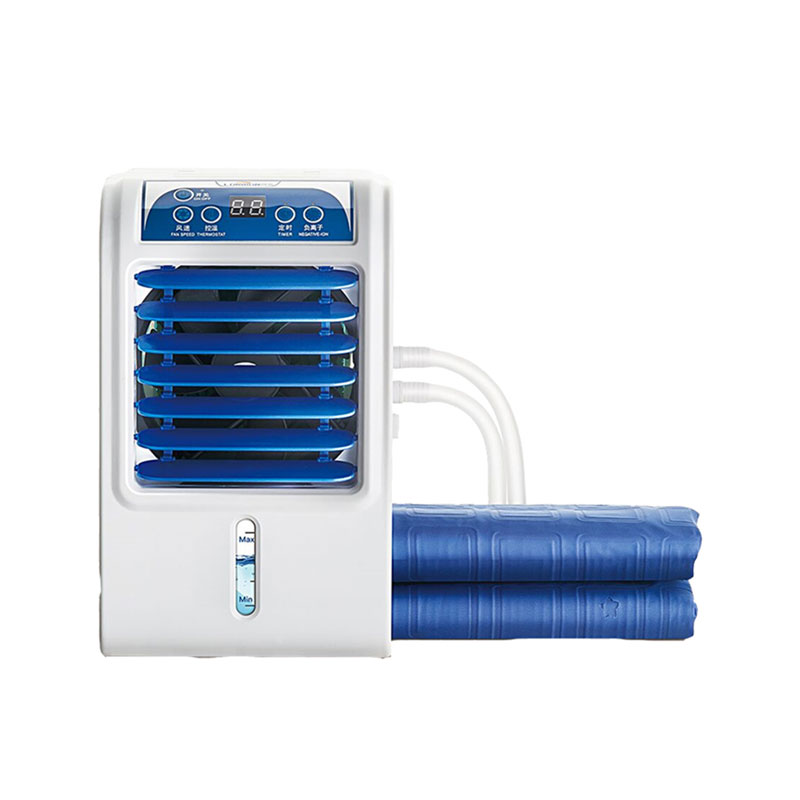
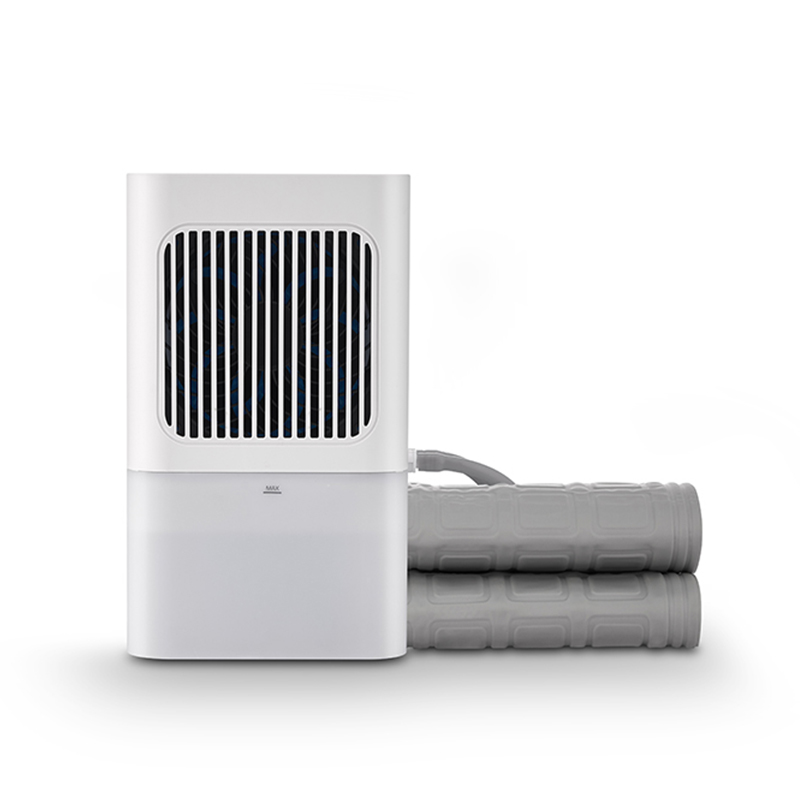
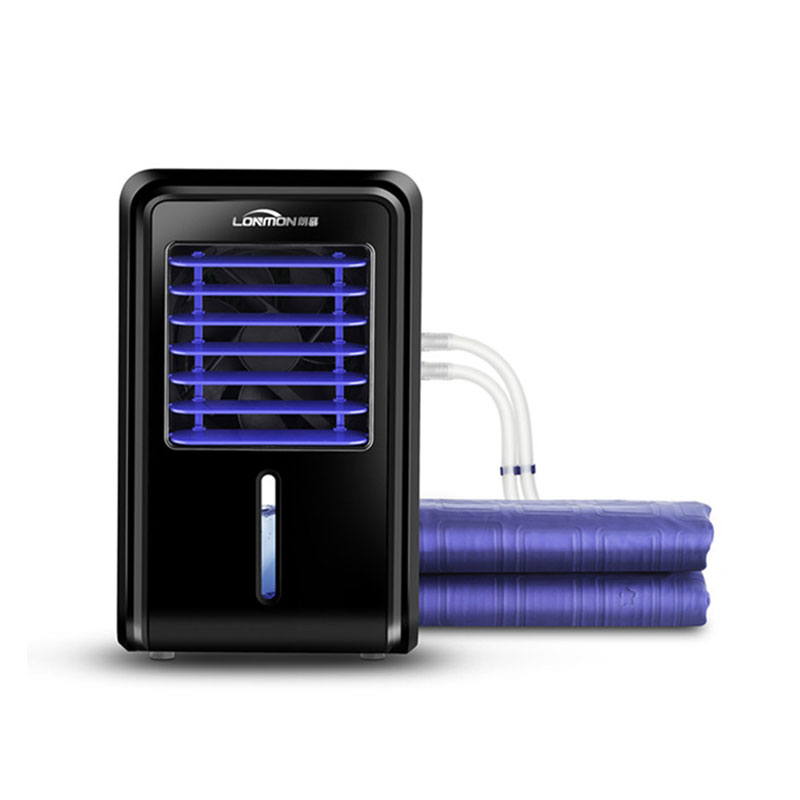
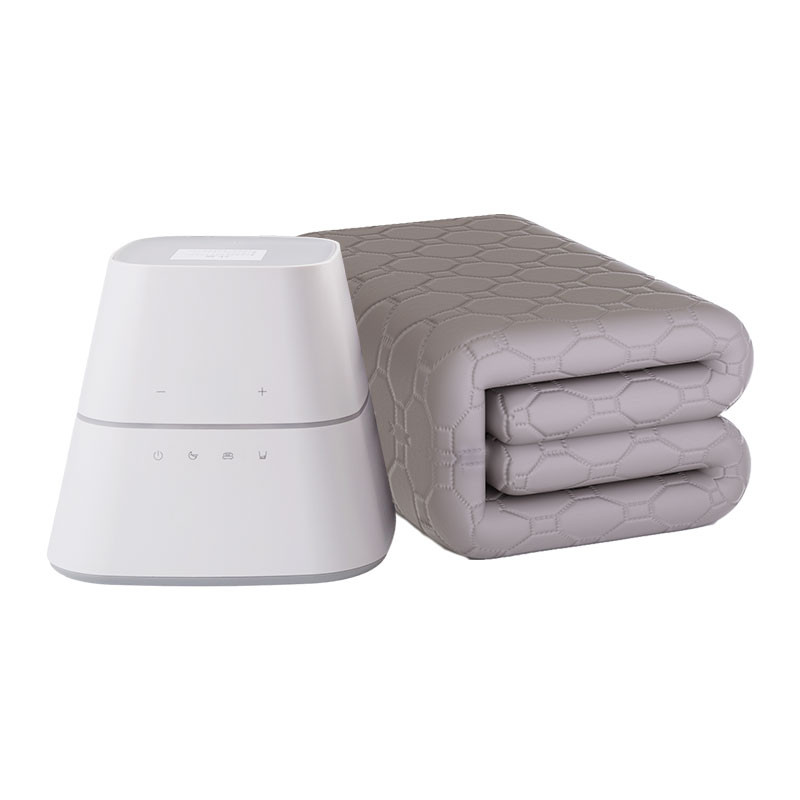
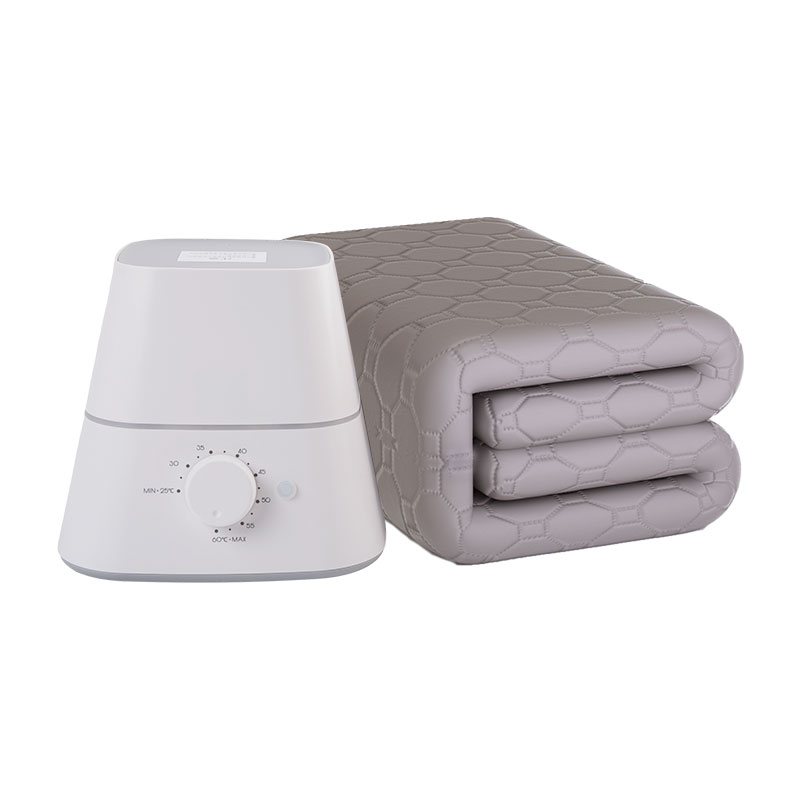
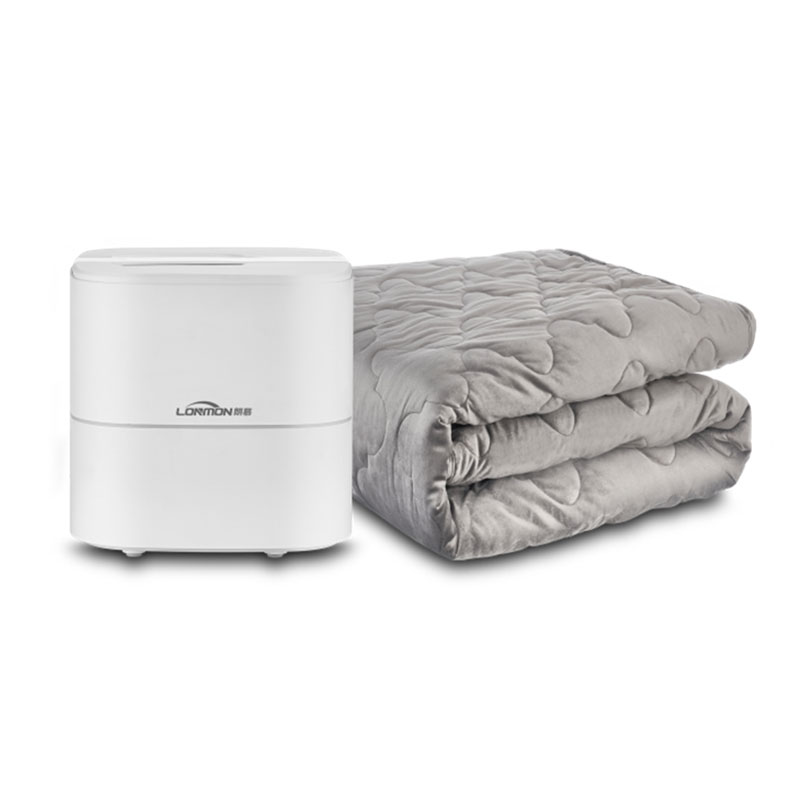
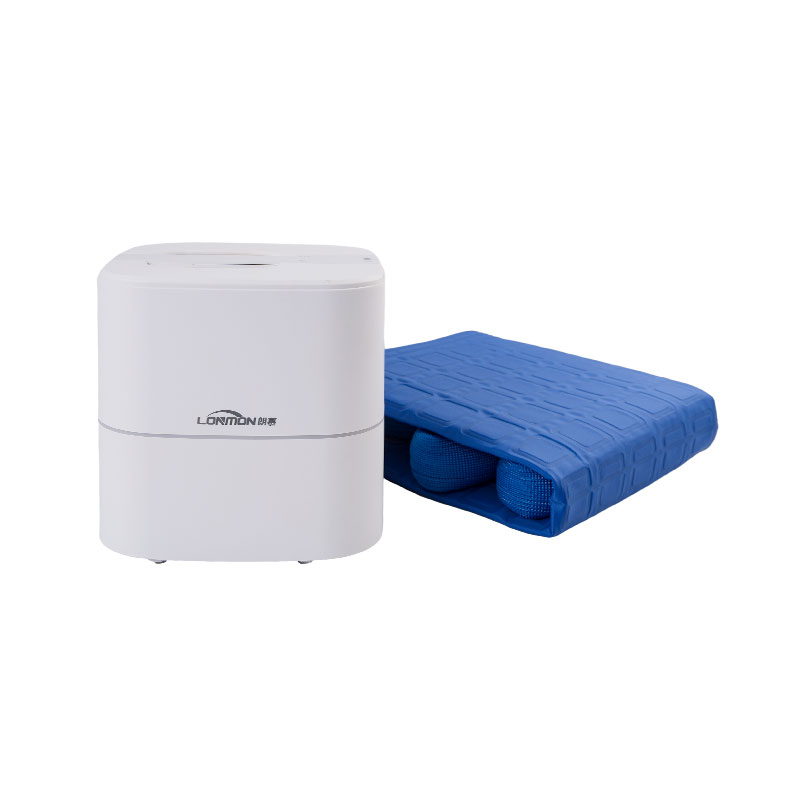
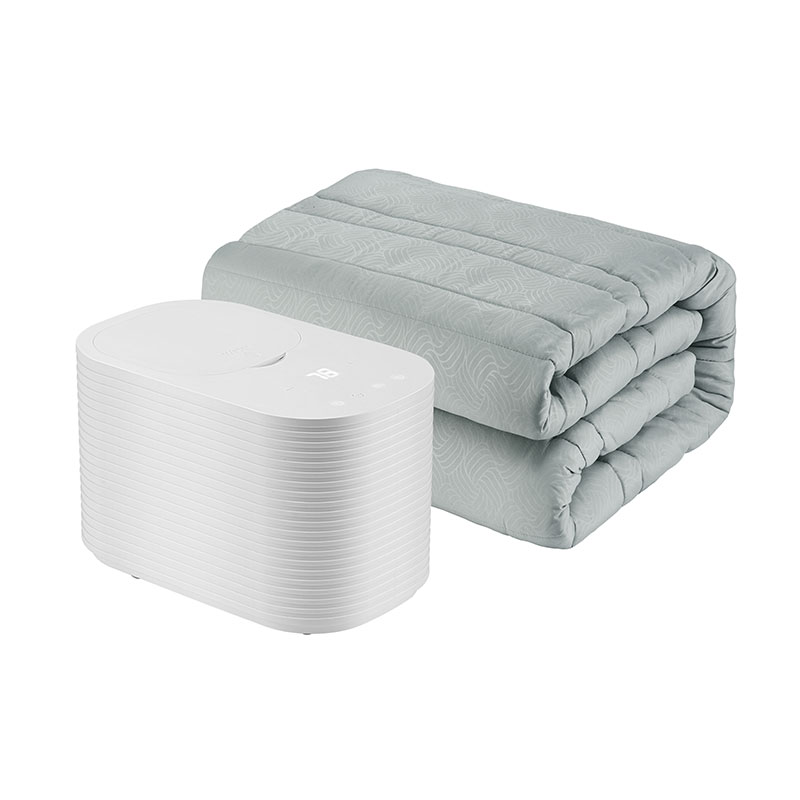
Simply put, it's a mattress pad that heats up using hot water circulation. Inside the pad are tubes or channels through which warm water flows. The water is heated by a small, controlled unit, and the warmth spreads evenly across the whole pad. Unlike electric heating pads that rely on wires and coils, water heating pads feel more like a natural, steady warmth.
Why is it important?
The biggest reason is comfort and health. When the temperature drops, people struggle to sleep, especially those who feel cold easily or have poor circulation. A water heating mattress pad keeps the bed warm without overheating or causing dry skin. It also reduces the need for heavy blankets and electric heaters, which can be noisy or unsafe if used all night.
From a manufacturer's perspective, this product is a great upgrade from traditional electric heating pads. It's more premium, offers better user experience, and can be positioned as a lifestyle improvement rather than just a gadget.
When is it used?
Most commonly, these pads are used during:
- - Winter or cold seasons
- - High-altitude regions where nights are chilly
- - For people with arthritis or joint pain
- - For elderly people who get cold easily
- - For hospitals, care centers, or wellness clinics
It's not just a home product anymore. More hotels and healthcare facilities are starting to use them to improve guest comfort and patient recovery.
How does it work?
Electric water heating mattress pads use a small heating unit that heats water and circulates it through the pad. Here's a simplified breakdown:
- 1. The heating unit warms the water to a set temperature.
- 2. A pump pushes the water through the pad's tubing system.
- 3. The warm water spreads evenly, heating the entire mattress surface.
- 4. The water returns to the heating unit to be reheated and recirculated.
The key is that the temperature is controlled and steady, which reduces hot spots and improves comfort.
What are the pros and cons?
Pros
First, the warmth feels more natural and evenly distributed. Second, water heating pads usually have better safety performance because the heat is not produced by direct electrical coils in the bed. Third, they are excellent for people who need consistent warmth all night without getting too hot.
Cons
There are some trade-offs. The system is more complex, which means higher manufacturing cost and potentially higher price. It also requires a heating unit and tubing, which can be heavier and take more space than traditional pads. And since it involves water, there's a risk of leakage if not manufactured or maintained properly.
What should you pay attention to?
Material and insulation
Water heating mattress pads need to be durable and leak-resistant. The pad material should be soft, breathable, and able to withstand repeated use. Insulation is also important to prevent heat loss and keep energy efficiency high.
Temperature control
Smart temperature control is a big selling point. Users want easy adjustment, stable heat, and automatic safety shutoff. Manufacturers should consider adding digital controllers, timers, and preset modes for different needs.
Leak protection
Leakage is the main concern for customers. Manufacturers should focus on high-quality tubing, secure connections, and pressure testing. A reliable warranty and clear instructions can also reduce customer anxiety.
Energy efficiency
Water heating pads use a pump and heater, so energy consumption can be higher than simple electric pads. Improving insulation and optimizing pump power can help reduce energy use while keeping performance high.
Quick comparison table: Electric water heating vs traditional electric heating pads
| Feature | Water Heating Mattress Pad | Traditional Electric Heating Pad |
|---|---|---|
| Heat Type | Water circulation, even warmth | Electric coils, may have hot spots |
| Comfort | Natural, steady heat | Fast heat but can be uneven |
| Safety | Lower risk of overheating | Higher risk if used incorrectly |
| Complexity | More complex, needs pump unit | Simple and lightweight |
Final thoughts
Electric water heating mattress pads are a modern upgrade for comfort and health. They are not just a product; they are a lifestyle improvement. For manufacturers, the key is balancing comfort, safety, and cost. If done right, this product can become a strong differentiator in the home appliance market.
With the right design and quality control, water heating mattress pads will keep growing in demand, especially in colder regions and wellness-focused markets. If your company is planning to enter or expand in this segment, now is a good time to focus on innovation and reliability.