英语
英语 中文简体
中文简体It is two in the morning. You have kicked the duvet to the foot of the bed, flipped your pillow to find the last cool spot, and you are still lying on a patch of sheet that radiates heat back at you. The fan is running, but it is only pushing warm air around the room. The air conditioner is on, but it cools the whole room at a high energy cost while doing nothing about the heat trapped between your body and the mattress. This is the exact problem that night cooling is meant to solve, not only for buildings, but for sleepers.
In building engineering, night cooling is a proven technique. After sunset, cool outdoor air is drawn through a building to purge the heat stored in its walls, floors, and ceilings, so the structure starts the next morning with less stored thermal energy. The same logic applies on a much smaller scale in your bed. Your body accumulates heat during the day, and a mattress traps it. If that heat is not removed, your core temperature stays higher than it should be, and your sleep pays the price. A water-cooled mattress pad removes the heat directly from the contact surface, all night long.
Night Cooling: A Simple Idea at Two Different Scales
In a building, night cooling is usually a passive strategy. When outdoor temperatures drop after sunset, ventilation openings are opened and cool air flushes heat out of the thermal mass. The cooled structure then acts as a heat sink during the following afternoon, delaying and reducing the need for mechanical cooling.
At the scale of a bedroom, open windows alone cannot do the job. A sleeping adult generates roughly 75 to 100 watts of heat, and the mattress blocks airflow under the body, so heat builds up at the point of contact. The human body is also wired to cool down before sleep: core temperature naturally drops by about half a degree to one degree Celsius during the night, and a warm sleeping surface fights that process. This is why surface cooling, rather than room cooling, is the most direct way to deliver night cooling to a sleeper.
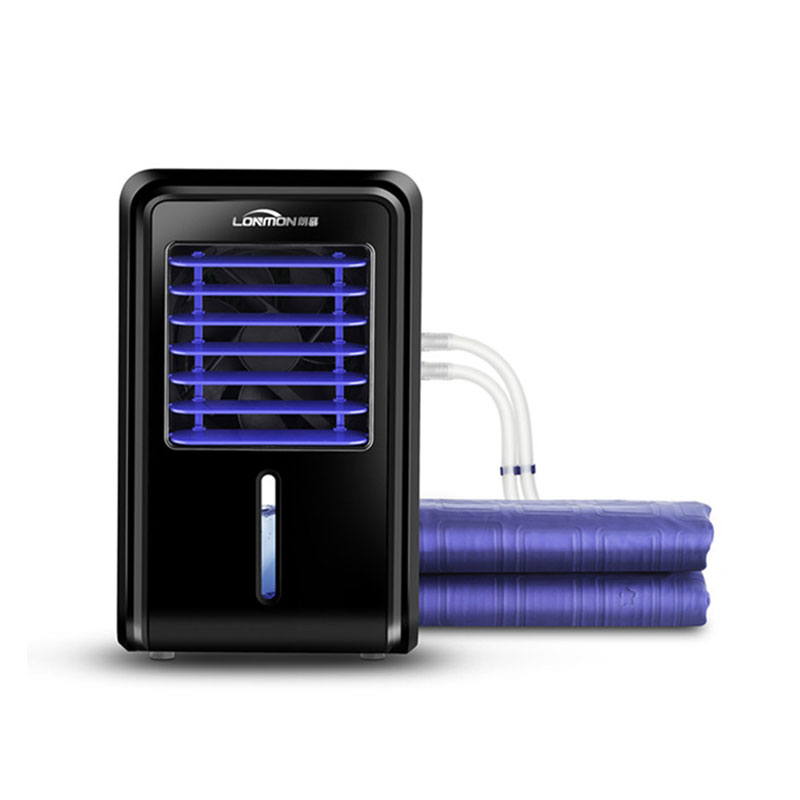
Water is the most efficient heat carrier for this purpose. Water conducts heat roughly 25 times better than air, so a thin layer of circulating water pulls heat away from the body far faster than moving air can. This is the engineering principle behind every water-cooled mattress pad: circulate water under the sleeper, absorb body heat at the surface, and carry it out of the bed through the system unit.
Why a Cool Sleeping Surface Improves Sleep Quality
Sleep research has shown for decades that the fall in core body temperature is one of the body's main signals for sleep onset. As evening approaches, blood vessels near the skin dilate, heat is released from the body, and core temperature begins to fall. A mattress that absorbs and stores heat works against this mechanism. The result is the classic hot night: you fall asleep late, wake in the small hours, and spend the rest of the night drifting between light sleep stages.
An actively cooled mattress pad changes this pattern. Instead of slowly heating up under your body, it holds the contact surface at a stable temperature and keeps carrying heat away. Your body can keep releasing heat instead of holding it in. For people who sleep hot, this often means fewer nighttime awakenings and less time spent hunting for a cool spot on the pillow.
Fans and air conditioners address a different part of the problem. A fan accelerates evaporation from the skin, but once the air around you gets humid, the effect weakens. An air conditioner removes heat from the whole room, which works but costs more to run, and it never changes the temperature of the mattress itself. Since the mattress touches your body for seven or eight hours, its temperature matters more than the air temperature. You can read more about the practical advantages of water-cooled mattress technology in our earlier article.
Water-Cooled Pads versus Fans and Air Conditioners
To see where a water-cooled pad fits, it helps to compare it directly with the two alternatives already present in most bedrooms.
| Factor | Air Conditioner | Fan | Water-Cooled Mattress Pad |
|---|---|---|---|
| What it cools | Whole room air | Skin surface via airflow | Mattress contact surface |
| Heat removed from mattress | No | No | Yes, continuously |
| Noise at night | Moderate to high | Low to moderate | Low, small circulation pump |
| Energy consumption | High | Low | Low to moderate |
| Temperature adjustment | Room-level thermostat | None | Water temperature and flow settings |
| Effect on room air | Cools and dehumidifies | Moves air without cooling | No direct effect |
The decisive row is the second one. A fan and an air conditioner both work on the air around you, but neither removes the heat sitting in the mattress beneath you. A water-cooled pad works on the exact surface that touches your body, and it keeps working all night because heat never gets a chance to build up.
What to Look for in a Water-Cooled Night Cooling System
If water-based cooling is the right approach for your bedroom, four details separate a well-designed system from a novelty: temperature control, surface heat transfer, cooling coverage, and maintenance.
Temperature Control and Remote Adjustability
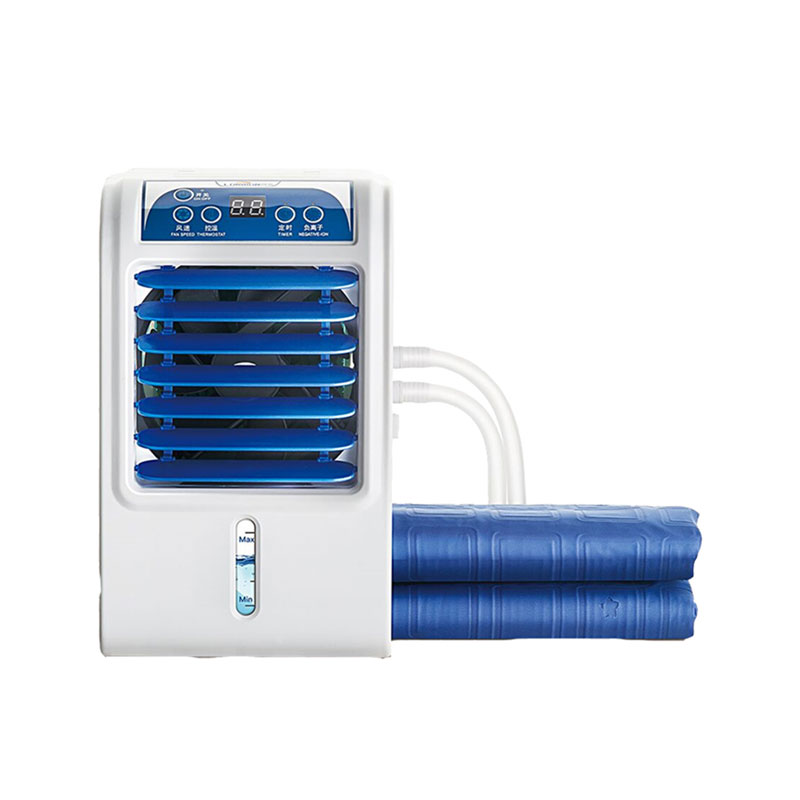
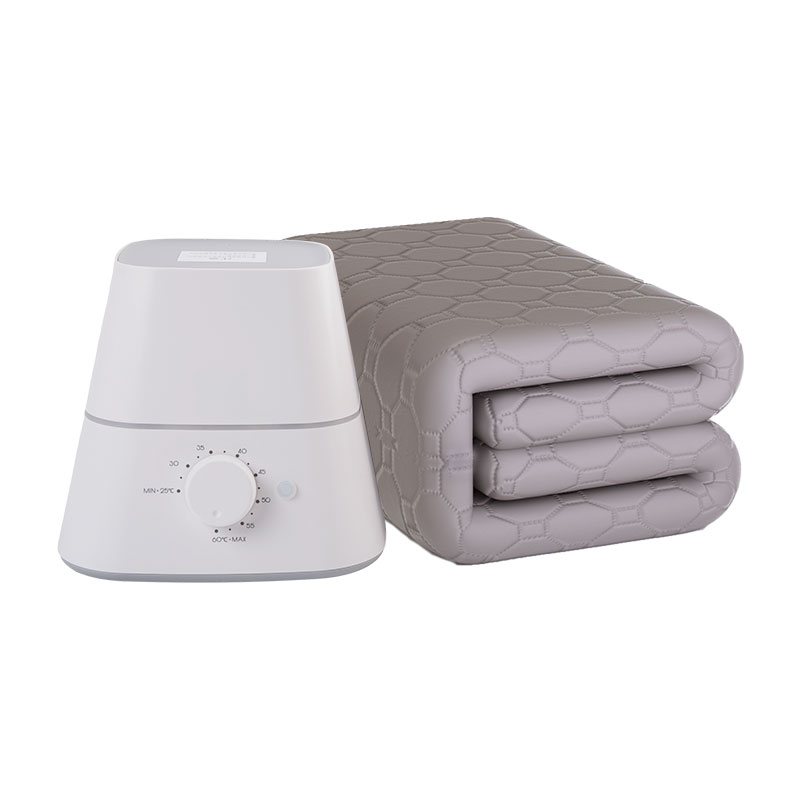
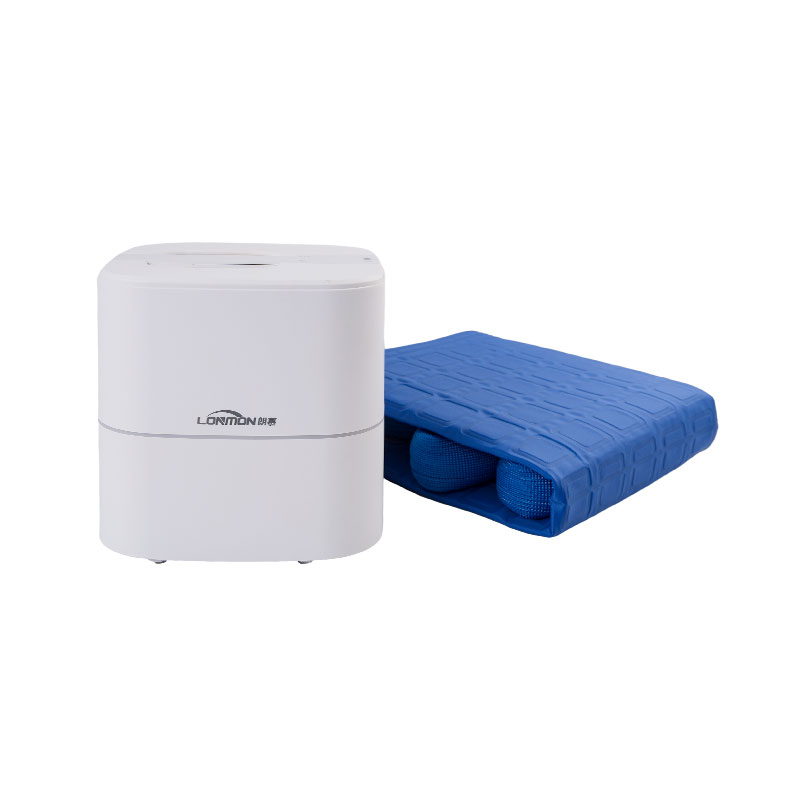
Night cooling pads only help if you can adjust them to your comfort level, preferably without getting out of bed. When you wake at one in the morning feeling too warm or slightly chilled, the last thing you want is to grope around on the floor for a dial. A remote control lets you make fine adjustments without breaking your sleep rhythm. The SL408 energy-efficient water-cooling mattress pad with remote control is a good example: it keeps power use low and gives you direct control over the water temperature while you stay in bed.
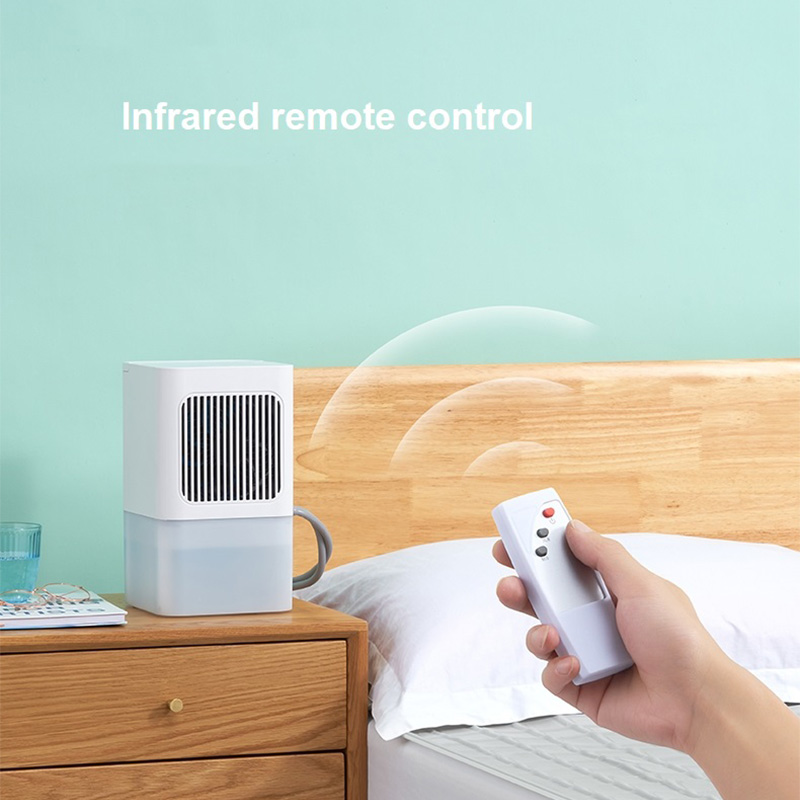 Energy Efficient Water Cooling Mattress Pad Suppliers, ManufacturersLonmon Electrical Technology is China energy efficient water cooling mattress pad suppliers and manufacturers, custom water cooling mattr...View Product →
Surface Material and Heat Transfer Speed
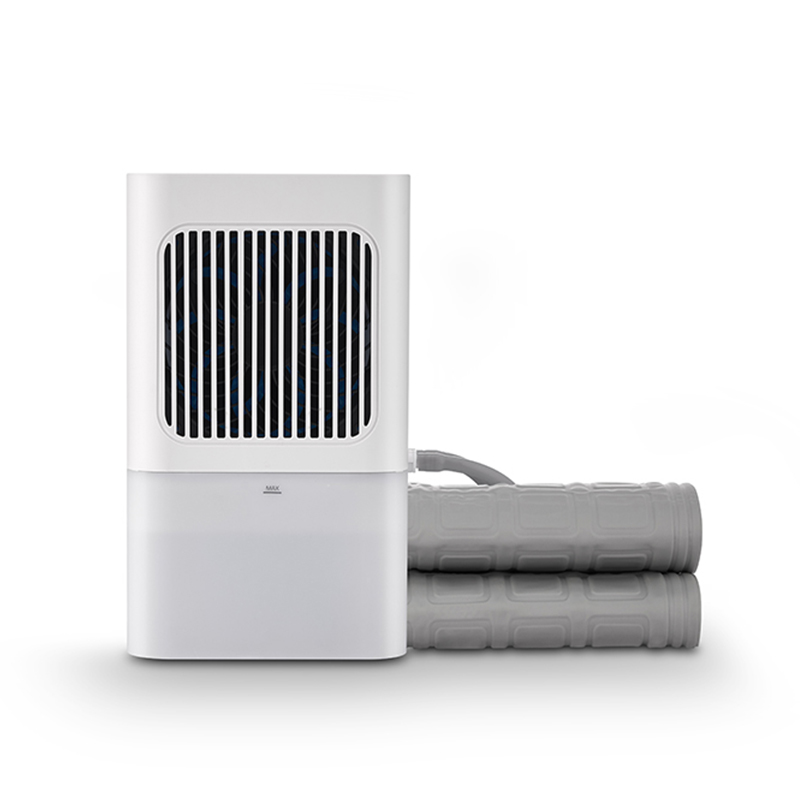
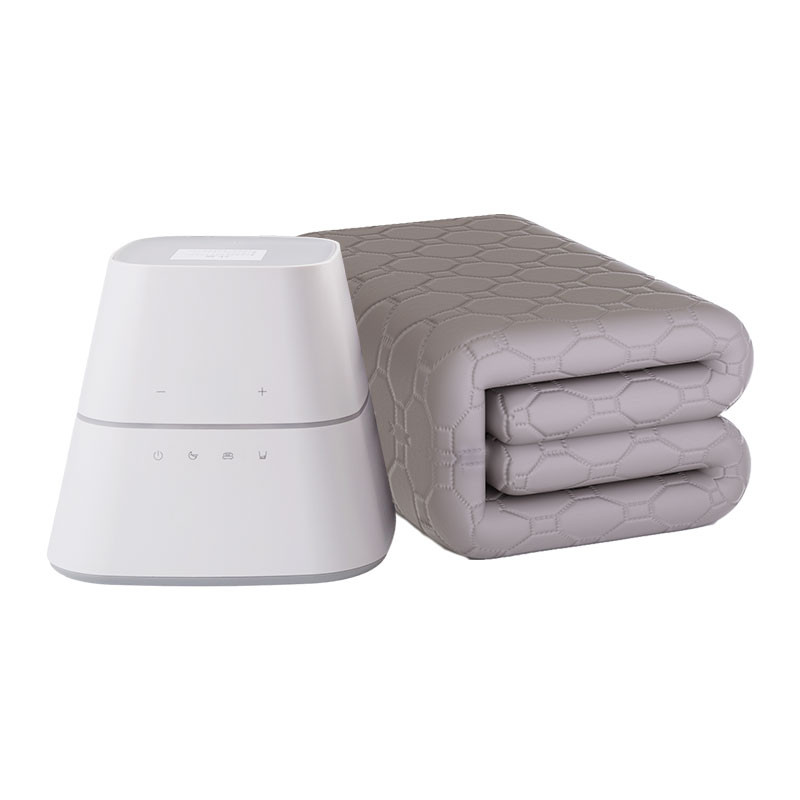
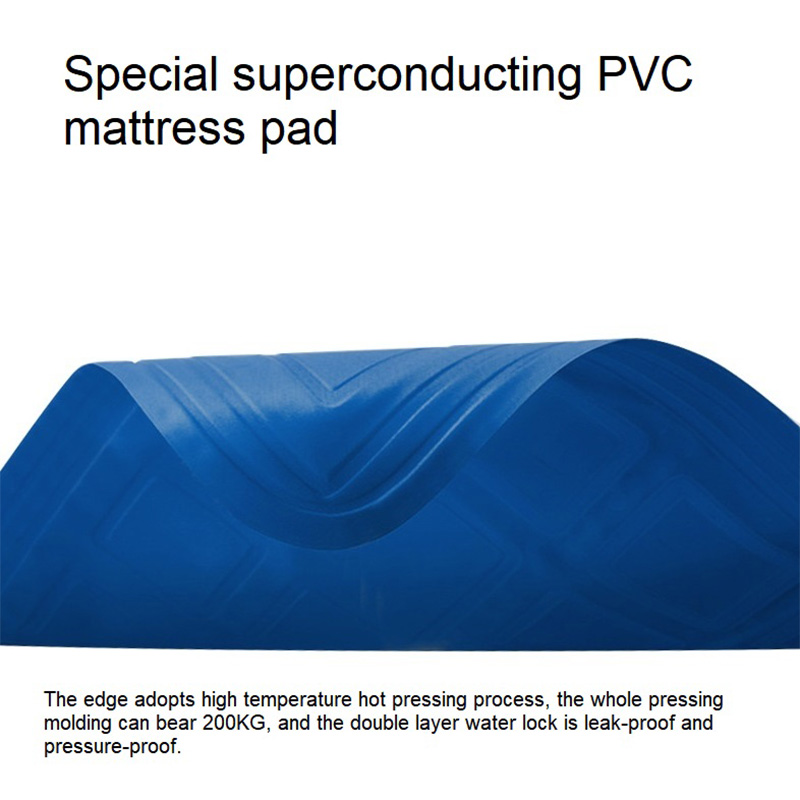
The cover material determines how quickly heat moves from your body into the circulating water. A thick fabric cover feels soft but slows heat transfer. A thin, thermally conductive surface layer moves heat far faster. The SL406 water-cooled mattress pad with special PVC/PA material uses a PVC/PA composite designed to improve heat exchange at the contact surface. In practice, that means the pad reaches its working temperature quickly and responds quickly when you change the setting.
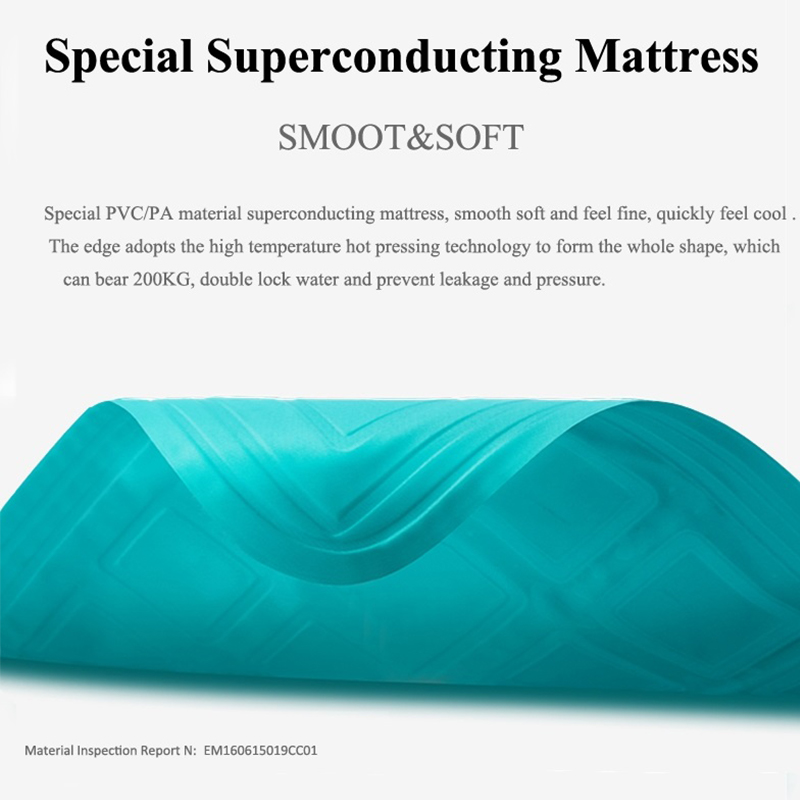 Custom SL406 Water Cooled Mattress Pad With Special PVC/PA Material SuperconductNingbo Lonmon Electrical Technology Co., Ltd. is China custom SL406 Water Cooled Mattress Pad With Special PVC/PA Material Superconductin...View Product →
Cooling Coverage and Bed Integration
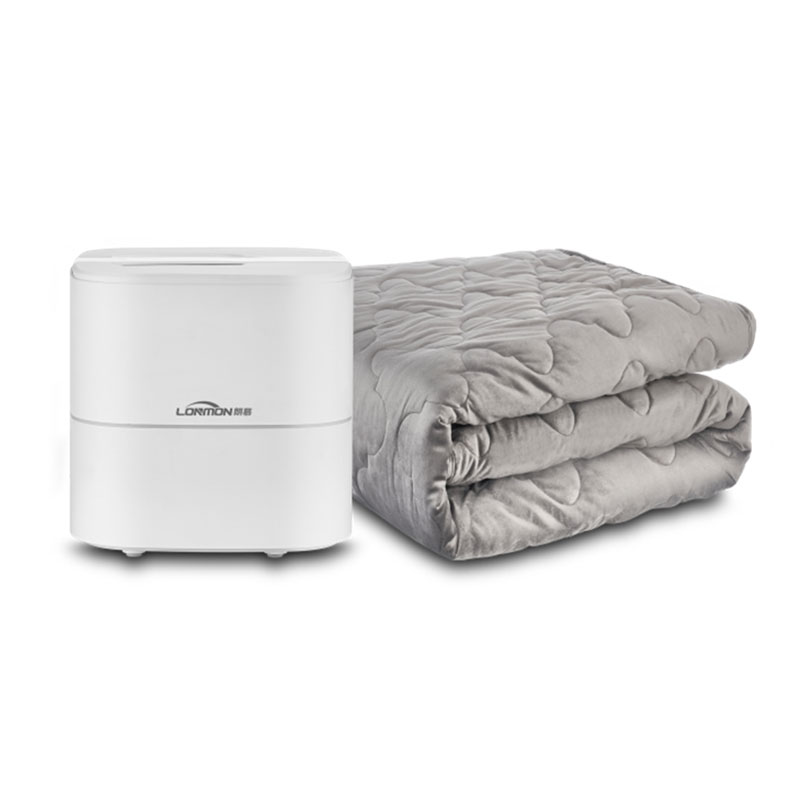
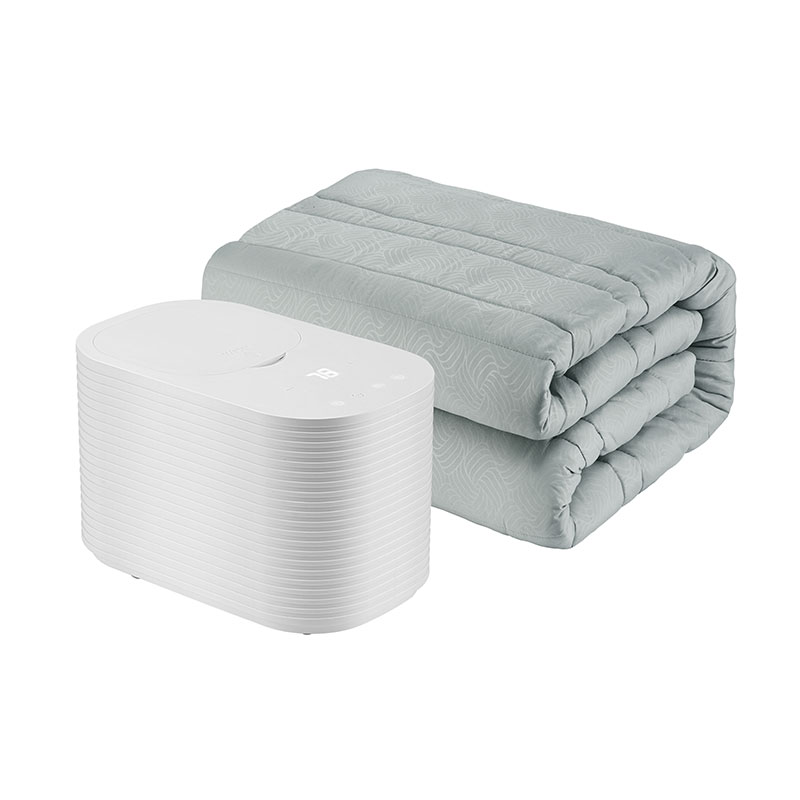
Cooling only half of the mattress means the rest of your body constantly moves between different temperature zones. A pad that covers the full sleeping area, or a mattress with the cooling circuit built into its structure, distributes the cooling evenly. For full-bed integration, the SL1829 water-cooling mattress with bed cooling system places the circulating layer inside the mattress itself, so the surface temperature stays even across the entire sleeping area.
 Water Cooled Mattress With Bed Cooling System ManufacturersAs China water cooled mattress with bed cooling system suppliers, manufacturers, Lonmon Electrical Technology offer OEM/ODM water cooling...View Product →
Maintenance and Long-Term Reliability
A water-based system does need some care: checking the water level occasionally, keeping the pump unit clean, and inspecting the connections for leaks. It is not a heavy burden, but it is a real difference from a fan, which needs none. The circulation pump also makes a faint sound while running, so place the unit away from your head and verify the noise level before you buy. A sealed circulation loop reduces the need for refilling and extends the time between maintenance checks.
When people struggle with hot nights, they usually focus on the air. They buy a stronger fan, lower the thermostat, or sleep on a pad that feels cool for the first twenty minutes and then saturates with body heat. Night cooling works differently when it is applied at the surface: instead of absorbing your heat and stopping, circulating water carries the heat away continuously. Once that difference is clear, the right choice becomes obvious.
If you are tired of waking up hot in the middle of the night, the fix starts under your back, not in the air around you. And for year-round temperature control, the same water-based platform works in reverse. A constant-temperature water-heated mattress pad keeps the surface warm in winter just as effectively as a cooling pad keeps it cool in summer.