英语
英语 中文简体
中文简体A mattress pad is one of those products that people shop for with very different goals. One person needs to stop sweat from soaking through sheets. Another wants a soft layer over a firm mattress. A third just wants to protect a new mattress in a kid's room. All three can use a mattress pad, but the right type is not the same. This guide walks through the main types of mattress pads and explains what each type is good at, what it cannot do, and which sleepers will benefit most.
What Counts as a Mattress Pad?
A mattress pad is a fitted or semi-fitted layer that sits directly on top of the mattress, usually with an elastic skirt to hold it in place. It is thinner than a mattress topper, typically adding 1 to 3 cm of cushioning, and its main jobs are protecting the mattress surface and adding a small amount of comfort. A mattress topper, by contrast, is thicker and designed to change the feel of the bed. A mattress protector is often thinner and focused only on waterproofing. Knowing this distinction matters because many of the terms overlap in stores, and the same type of product can be labelled differently by different brands.
The Main Types of Mattress Pads
Most mattress pads fall into six practical categories. The right one depends on your sleep temperature, whether you need protection from spills, how much softness you want, and whether you need active heating or cooling.
Cotton Mattress Pads
Cotton mattress pads are the classic choice. They are breathable, machine-washable, and low-cost, which makes them a sensible first mattress pad. If you sleep at a normal temperature and mainly want to keep the mattress clean, a cotton pad with a high thread count provides a quiet and dry surface. The main limitation is that cotton absorbs liquids. If a glass of water spills, the pad will soak it up and the mattress underneath can still get wet.
Quilted and Down Alternative Mattress Pads
A quilted mattress pad has an extra layer of polyester fill stitched between two fabric layers, sometimes with a soft brushed surface. It adds a noticeable plushness without the height of a topper, which is useful for side sleepers and for guest beds. Down-alternative versions use synthetic fibres to mimic the softness of down while avoiding allergens. These pads do not fix a sagging or overly firm mattress, however. Their job is comfort, not support, so treat them as a finishing touch rather than a structural change.
Waterproof Mattress Pads
Waterproof mattress pads are usually made by laminating a polyurethane or TPU layer to the underside of a soft fabric. They protect the mattress from sweat, spills, urine, dust mites, and pet accidents. That makes them the clear choice for children's beds, rental rooms, and allergy-prone households. The trade-off is breathability. Low-quality waterproofing can trap heat and create a crinkly sound under you. If you want protection without a sweaty feel, look for a breathable membrane or a pad that combines a cotton top with a waterproof backing.
Cooling Mattress Pads
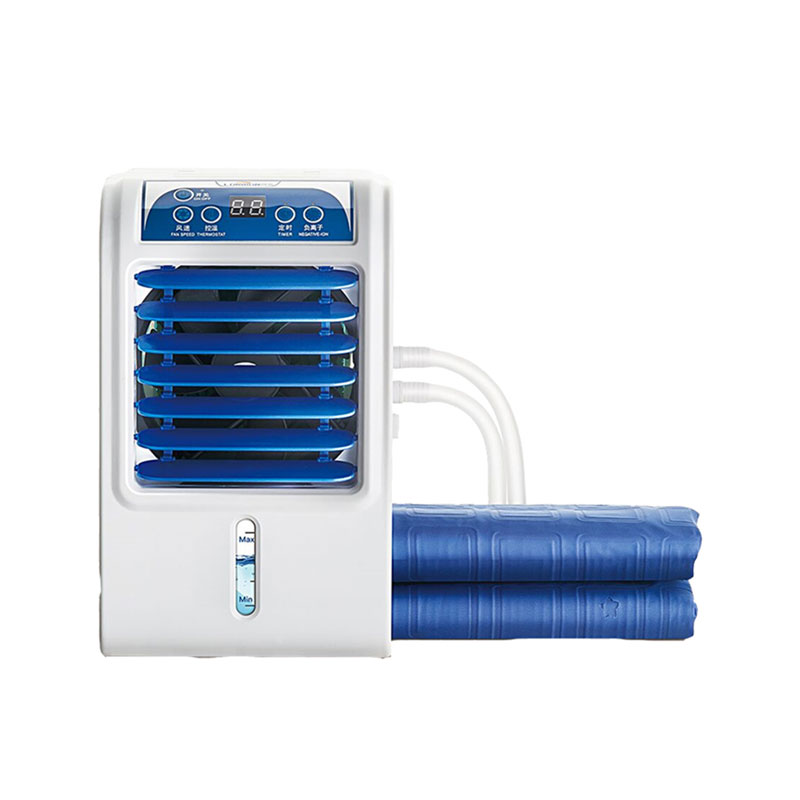
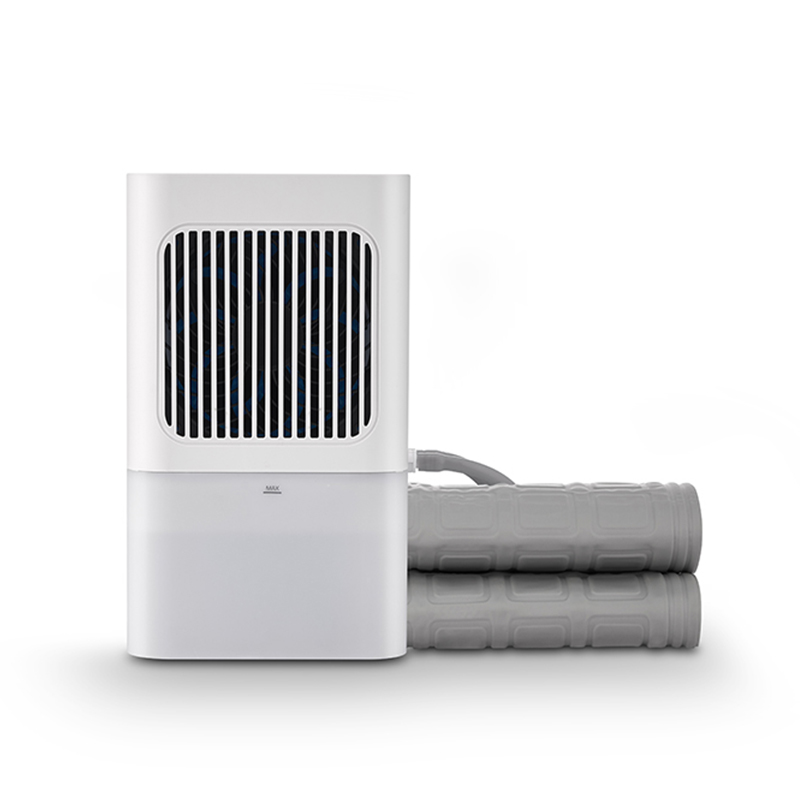
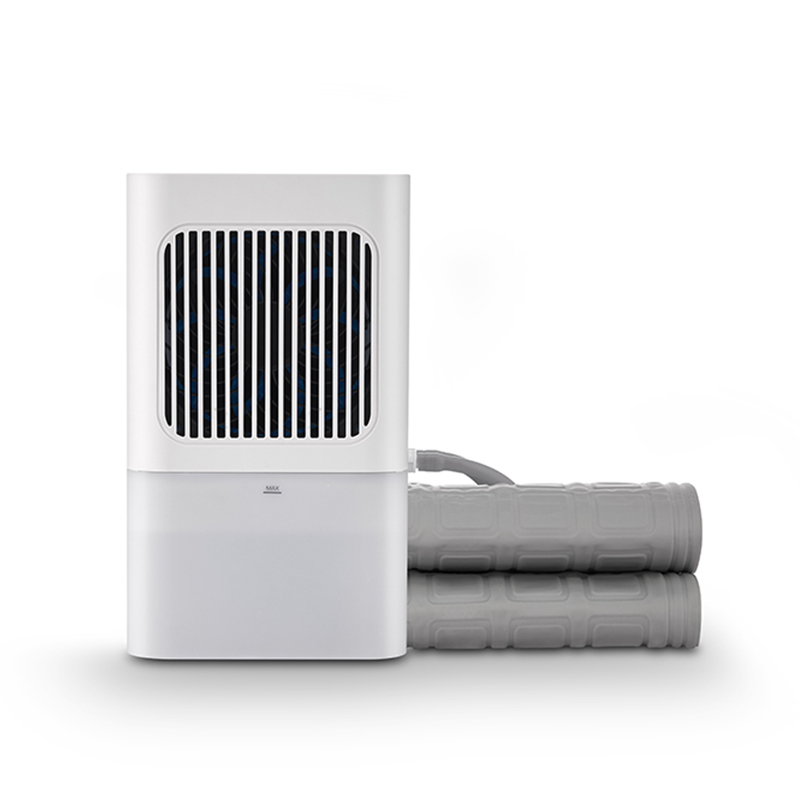
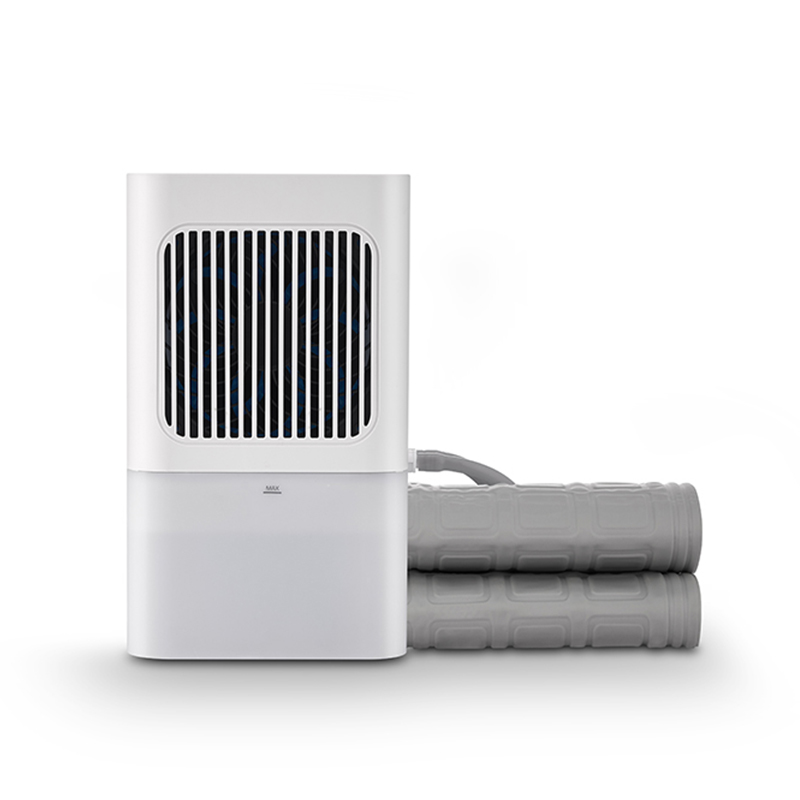
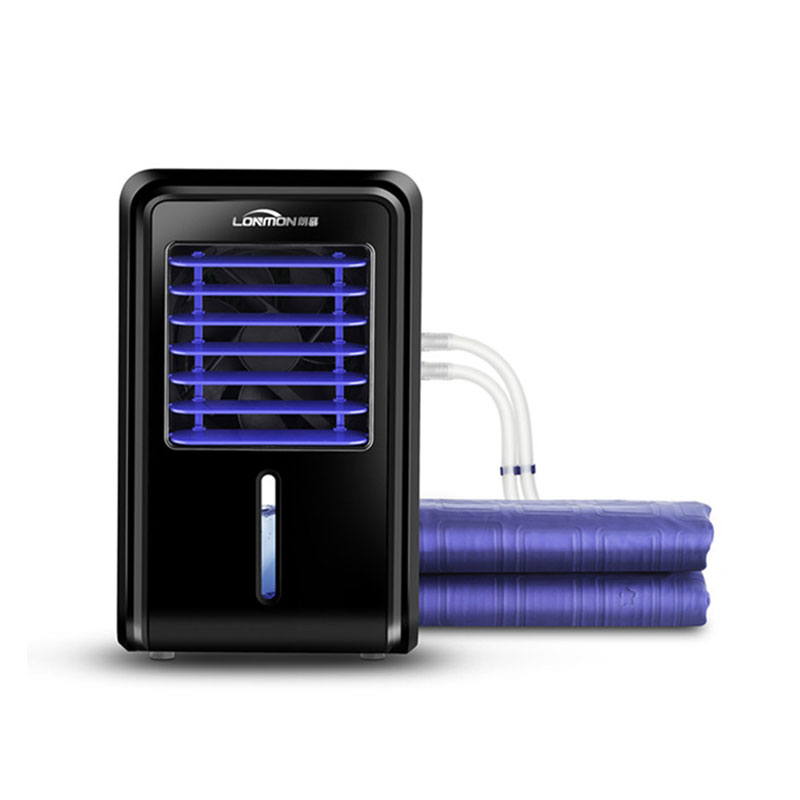
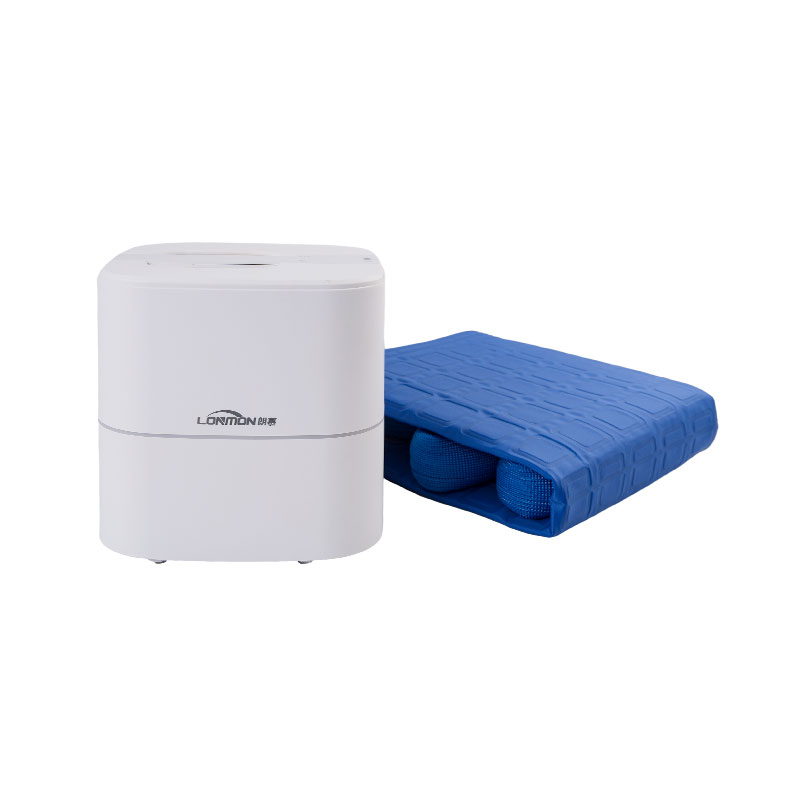
Cooling mattress pads pull body heat away from the skin using materials such as Tencel, bamboo rayon, gel-infused fibres, or phase-change materials. They help people who wake up hot or experience night sweats, especially during warm months. Passive cooling pads work by wicking moisture and improving airflow, while active systems take the idea further. A water-cooled pad circulates cool water beneath the sleeper and can maintain a lower skin temperature even in a warm room. If you are considering this route, a model such as the SL406 water-cooled mattress pad with superconducting PVC/PA surface shows how a dedicated water-circulating system can provide more consistent cooling than a fabric layer alone.
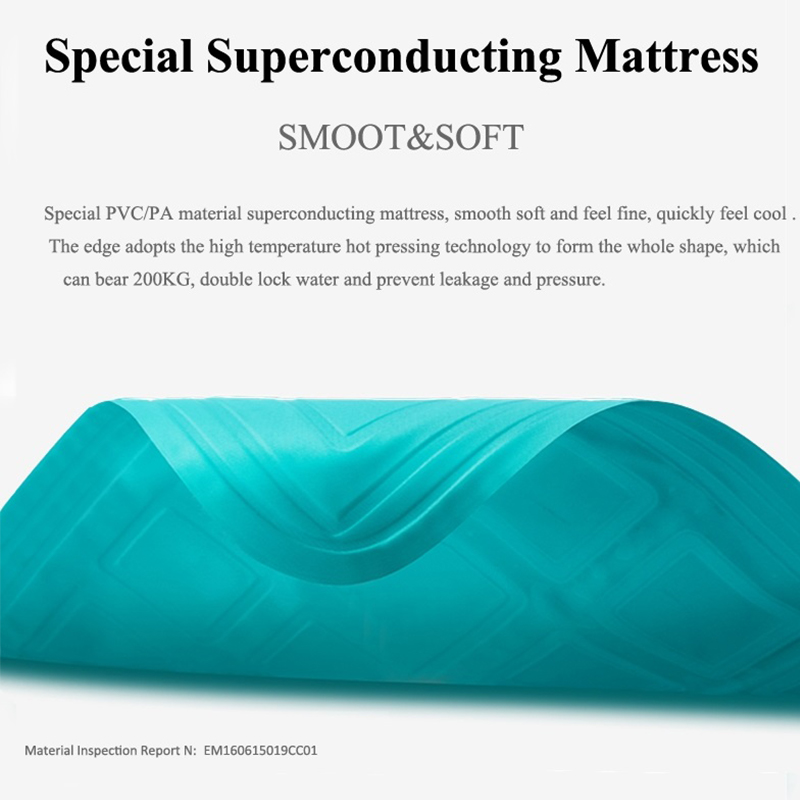 Custom SL406 Water Cooled Mattress Pad With Special PVC/PA Material SuperconductNingbo Lonmon Electrical Technology Co., Ltd. is China custom SL406 Water Cooled Mattress Pad With Special PVC/PA Material Superconductin...View Product →
Electric Heated Mattress Pads
Electric heated mattress pads have thin resistance wires sewn into the pad to generate warmth. They are inexpensive and heat up quickly, which is convenient for cold bedrooms. Most controllers offer multiple heat settings and auto shut-off, but the heat is generated along fixed wire paths, so some sleepers notice hot and cold spots. Because the wires sit directly under you, you also need to be comfortable with the slightly dry, concentrated heat and with the need to unplug or switch off the pad before washing it.
Water-Circulating Heated Mattress Pads
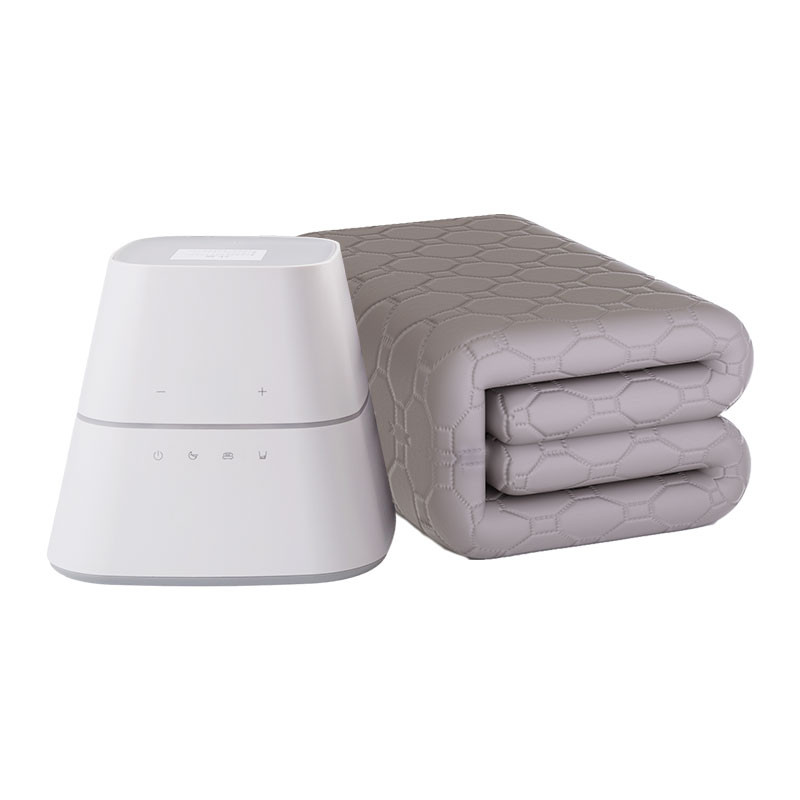
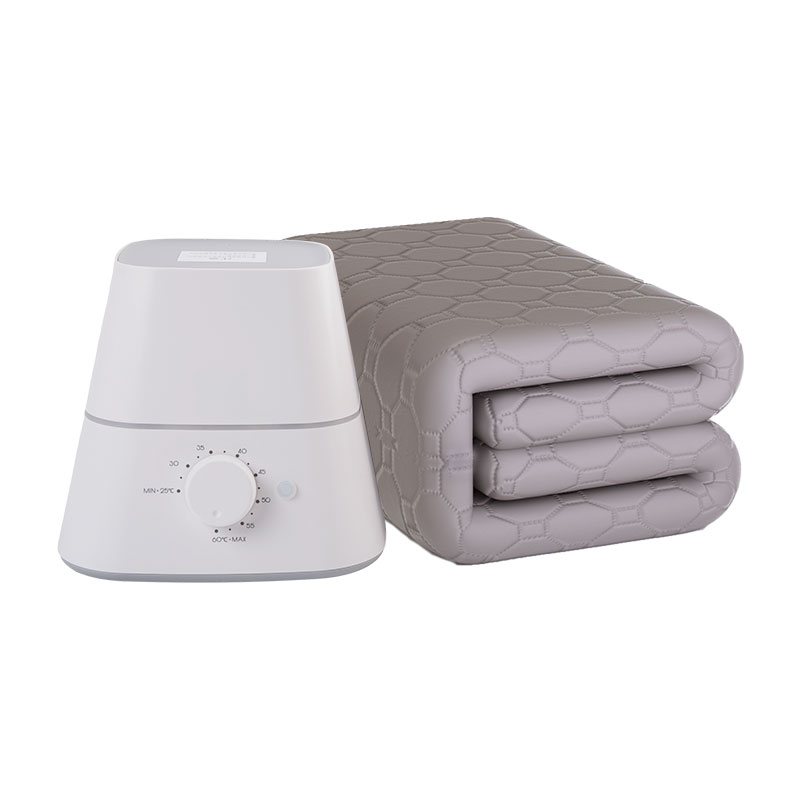
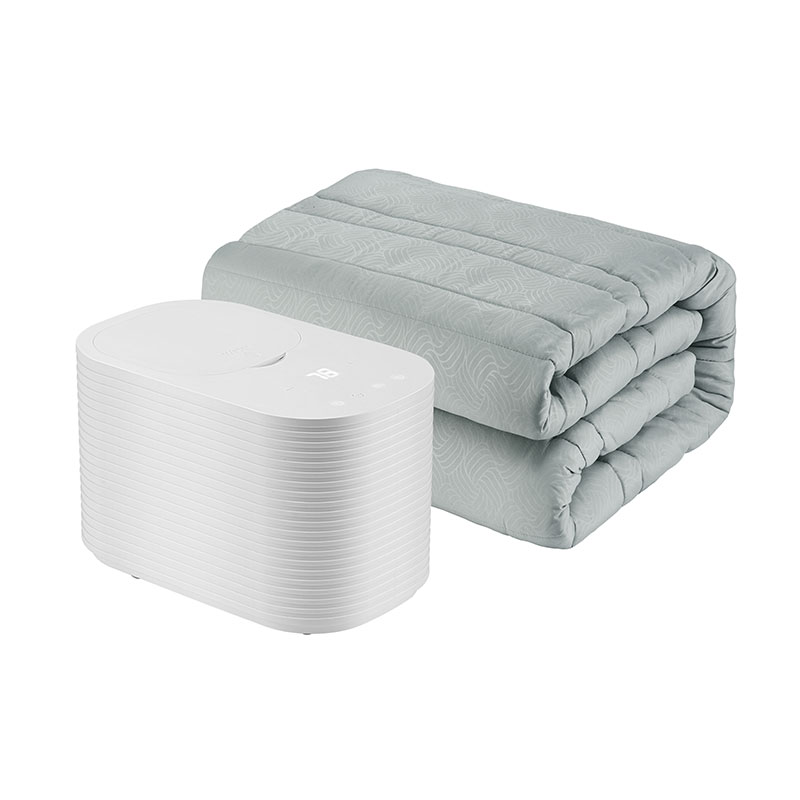
Water-circulating heated mattress pads solve the uniformity problem by pumping warm water through soft tubing inside the pad. Water has a high heat capacity, so it holds temperature more steadily than wire elements and spreads the warmth evenly across the whole sleeping surface. That predictable warmth is useful for elderly sleepers, children, pregnant women, and anyone who is sensitive to cold at night. A model such as the N2215 intelligent constant-temperature water-heated mattress pad lets you set a precise temperature and keep it there, which is the kind of control that makes a real difference for someone who keeps waking up cold.
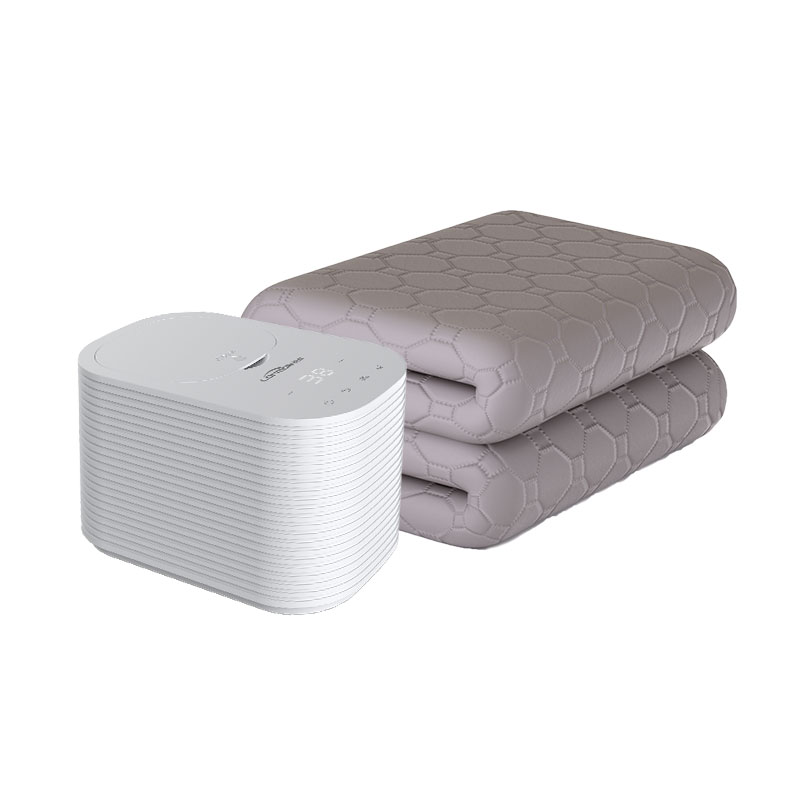 Intelligent Constant Temperature Water Heated Mattress Pad SuppliersLonmon Electrical Technology is China intelligent constant temperature water heated mattress pad suppliers and manufacturers, custom cons...View Product →
How to Compare Mattress Pad Features
To simplify the decision, the table below compares the main mattress pad types based on their core benefit, ideal user, and biggest limitation.
| Type | Core Benefit | Best For | Key Limitation |
|---|---|---|---|
| Cotton | Breathability and easy washing | Sleepers at normal temperature | No waterproof protection |
| Quilted / down alternative | Softness without extra height | Side sleepers and guest beds | Does not change support |
| Waterproof | Protection from spills and allergens | Children, allergies, pets | Can feel less breathable |
| Cooling | Active heat removal | Hot sleepers and night sweats | Water-based versions cost more |
| Electric heated | Fast, low-cost heat | Cold bedrooms and occasional use | Uneven warmth; washing restrictions |
| Water-circulating heated | Stable, uniform warmth | Elderly, children, cold-sensitive people | Higher upfront investment |
When Water-Based Temperature Control Makes Sense
If you want one system that adapts to the seasons, water-based temperature control is worth a closer look. A water-cooled pad handles hot nights by pulling heat away from the body, while a water-heated pad delivers steady warmth in winter. Both use the same principle of circulating water, which is quieter and less drying than electric wire heat. The technology also has practical advantages for commercial buyers. Working with a manufacturer that offers both cooling and heating versions means you can source both product lines from one factory, keep quality standards consistent, and simplify logistics. To understand the engineering behind this, it helps to see how water-cooled mattress technology changes the sleep experience.
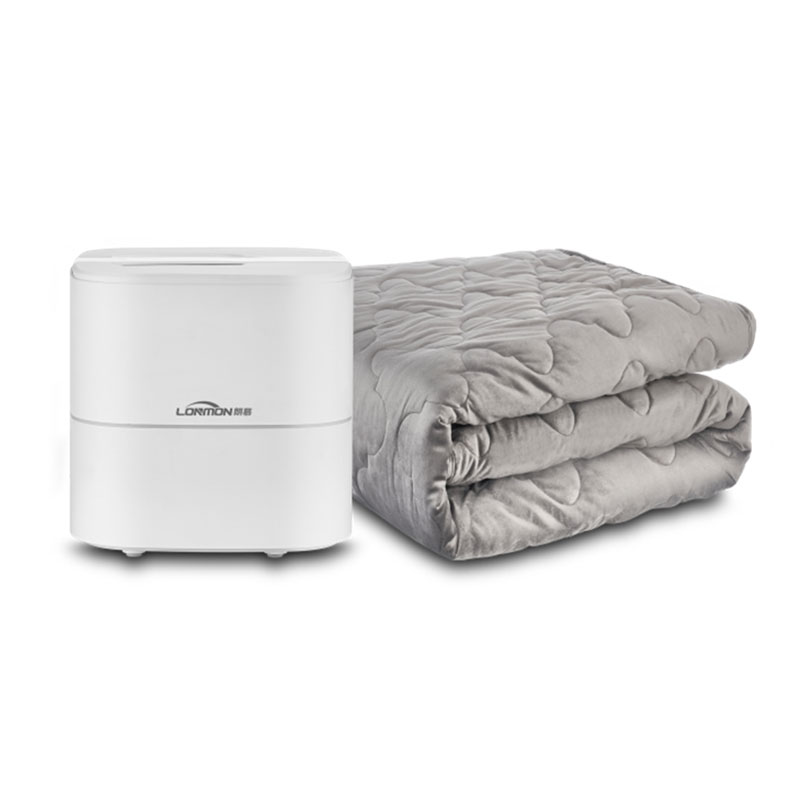
The same temperature control principle can be adapted to different users. The N1912 intelligent water-heated mattress for elderly people, children, and pregnant women, for instance, pairs even water heating with a softer surface and simplified controls, so it has a clear place in homes where safety and ease of use matter more than extra settings.
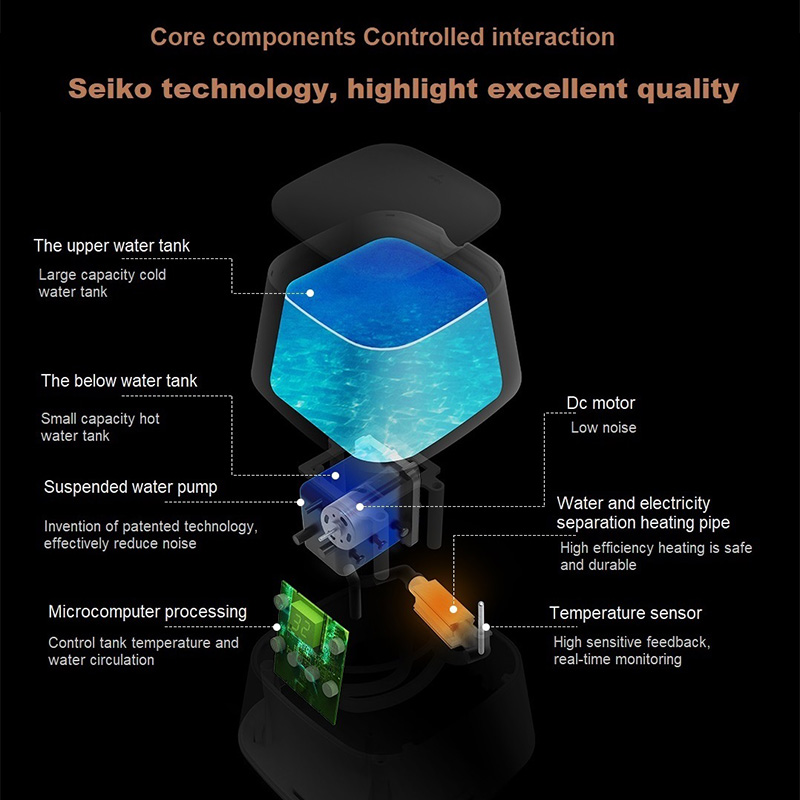 Custom Intelligent Water Heated Mattress Suppliers, ManufacturersNingbo Lonmon Electrical Technology Co., Ltd. is China intelligent water heated mattress suppliers and manufacturers, we custom N1912 int...View Product →
Choosing a mattress pad starts with your main sleep complaint, not with a feature list. If you wake up hot, a cooling pad or a water-circulating system will do more than a cotton one. If your problem is cold feet, a heated model adds comfort without raising the whole room temperature. If you just want to protect the mattress, a waterproof pad is the honest answer. Keep the sleeping position and room temperature in mind, and match the product type to the problem. That is the fastest way to avoid the trial-and-error that leaves so many mattress pads unused in the back of a closet.