英语
英语 中文简体
中文简体It usually happens between 2 and 4 a.m. You wake up with damp sheets, or you pull the blanket tighter because the air suddenly feels freezing. The thermostat has not moved, so the problem is not the weather. It is how your body manages heat during sleep. The good news is that night-time body temperature is a manageable problem. A combination of simple habits, smarter bedding, and, when needed, active temperature control can keep you in the right range all night.
Why Your Body Temperature Drops Naturally Before Sleep
Your body is not a fixed-temperature machine. Your core temperature runs on a circadian clock: it rises during the day, peaks in the late afternoon, and drops by roughly 1°C (1.8°F) in the hours before sleep. That drop is one of the strongest signals your brain uses to prepare for rest.
The mechanism is elegant. Just before sleep, the blood vessels in your hands and feet widen, a process called peripheral vasodilation, which allows warm blood to flow toward the skin so heat can escape. This is why warm feet often mean that sleep is close. When this cooling mechanism slows down, falling asleep takes longer. When it works properly, drowsiness arrives noticeably faster.
What Happens When the Bedroom Is Too Hot or Too Cold
A warm room delays sleep onset, increases awakenings in the middle of the night, and reduces the time spent in slow-wave and REM sleep. A cold room is easier to manage because you can add layers, but extreme cold also triggers wakefulness and muscle tension. Most sleep experts recommend a bedroom temperature between 60°F and 67°F (15.5°C and 19.5°C), because within that band the body can release heat efficiently. The best point for you depends on your metabolism, circulation, and personal preference, but if you routinely wake up sweating, your room is probably above the ideal range.
Why Some People Struggle More
Night sweats and persistent coldness are not always about the thermometer. Hormone changes, especially during menopause, can shift the body's internal set point and make the brain believe the body is overheating. Certain medications, such as some antidepressants and blood pressure drugs, interfere with heat dissipation. Alcohol near bedtime dilates blood vessels and raises skin temperature, which paradoxically leads to sweating later in the night. Stress keeps the nervous system alert, and a tense body has a harder time entering the relaxed state that allows its core temperature to fall.
Low-Tech Strategies That Work
Start with the simplest interventions. They are inexpensive, quick to implement, and effective for a large share of sleepers.
The Warm Bath Paradox
A warm bath or shower one to two hours before bed sends blood to the skin. When you step out, your core temperature drops quickly because heat radiates through the warmed skin surface. That drop is exactly what triggers sleepiness. Timing matters: bathe too close to bedtime and your core is still elevated; bathe too early and the effect fades.
Warm Socks and the One-Foot-Out Trick
Warm socks at bedtime dilate the blood vessels in your feet, which helps the body release heat from its core. For hot sleepers, the reverse trick works: leave one foot outside the blanket. The foot is one of the body's most efficient radiators, and a small exposed surface can lower core temperature quickly, even on a warm night.
Breathable Bedding and Sleepwear
Cotton, bamboo, and wool allow moisture to evaporate, while synthetic fabrics trap heat and sweat. If you sleep hot, choose a thin, breathable mattress pad and fewer layers. If you sleep cold, add an insulating layer on top of you rather than stacking heavy sheets underneath.
Airflow and Humidity
Air movement and humidity matter as much as the temperature on the thermostat. A fan or a dehumidifier can make a room at 68°F feel noticeably cooler. When humidity is high, sweat does not evaporate, so the body cannot shed heat; keeping relative humidity below roughly 60 percent often solves the problem without touching the temperature.
When Passive Methods Are Not Enough: Water-Based Temperature Control
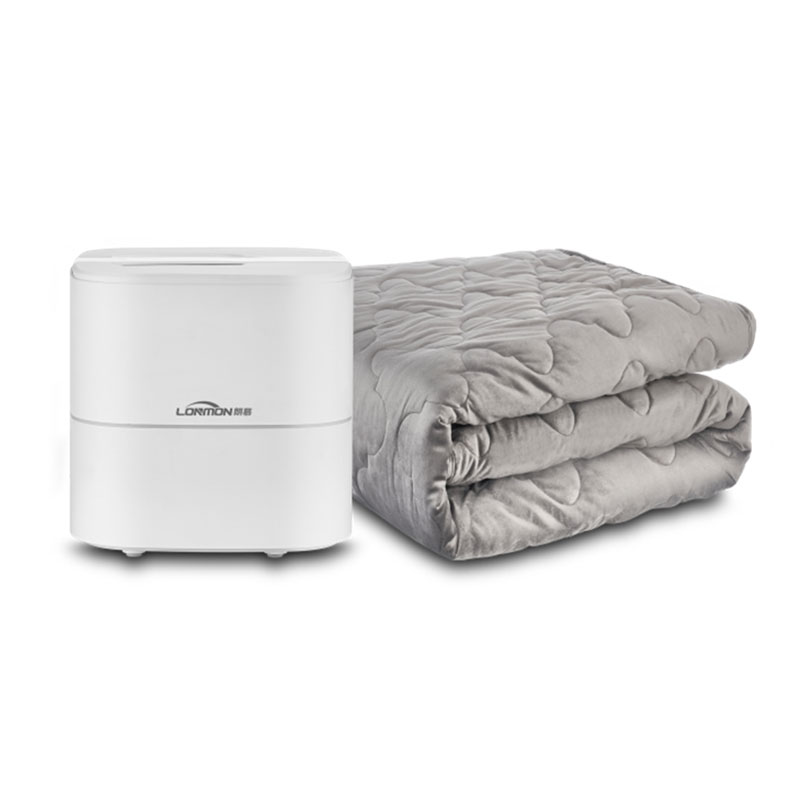
If you sweat heavily at night, are going through menopause, or simply run hot no matter what the thermostat says, passive methods have a clear limit: they only slow heat exchange, they do not actively remove it. Water-circulating mattress pads take a different approach. Water runs through channels inside a slim pad placed on the mattress, and a small control unit holds the water at a temperature you choose. The pad then keeps the surface at that temperature all night long.
This is fundamentally different from gel pads or phase-change materials, which absorb heat for a few hours and then stop. An active water-based system keeps working continuously, which makes it a realistic option for people whose temperature problems are severe enough to wake them up.
Water-Cooled Pads for Hot Sleepers
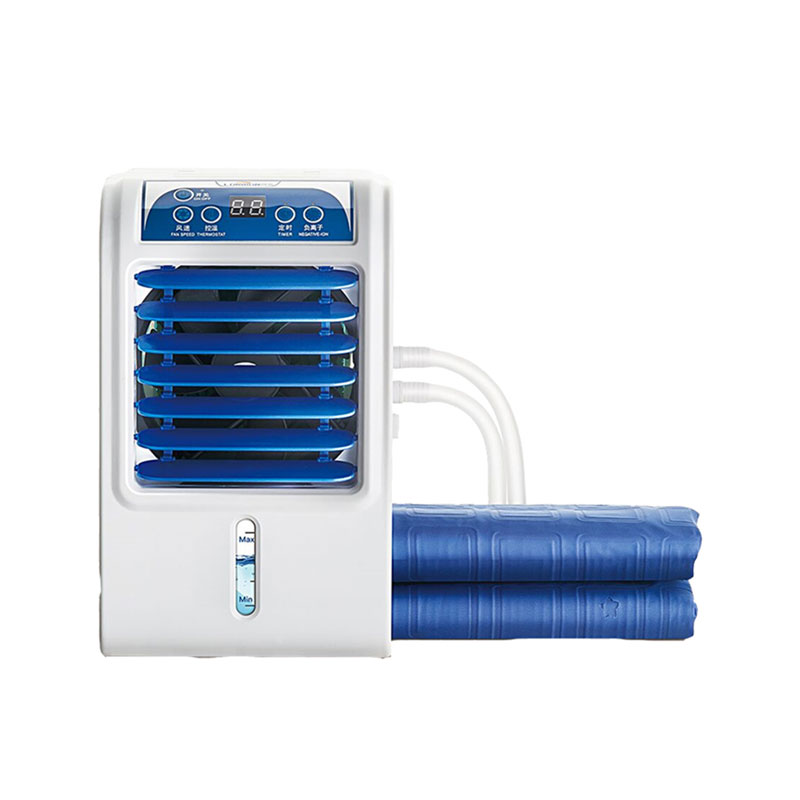
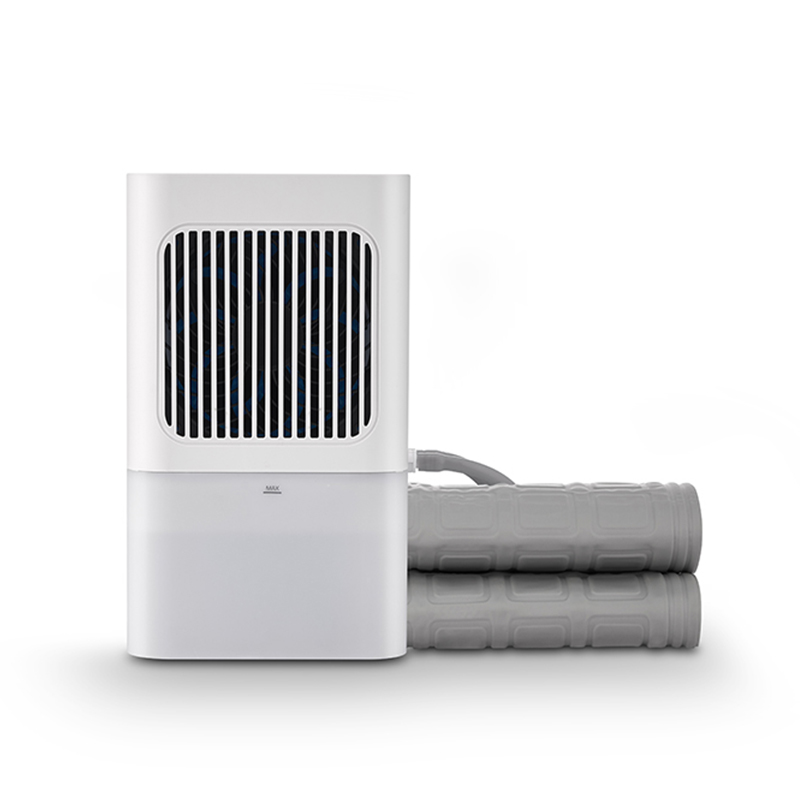
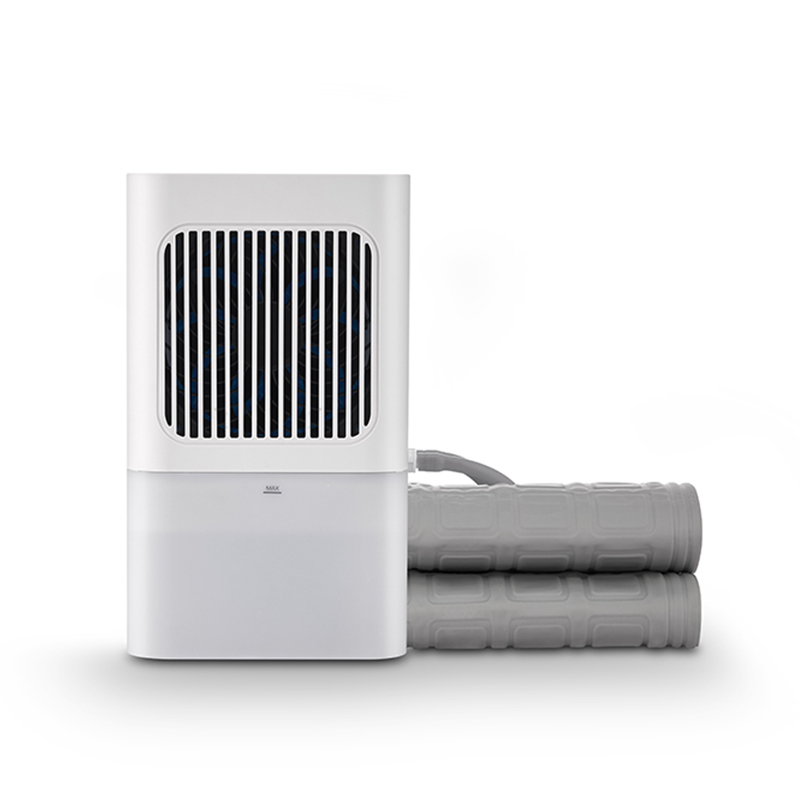
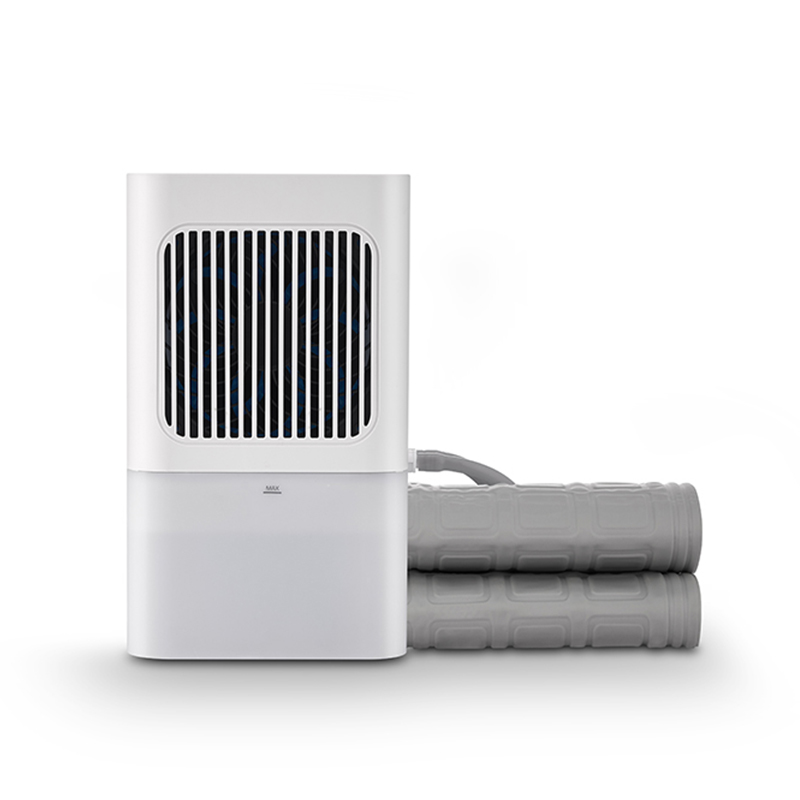
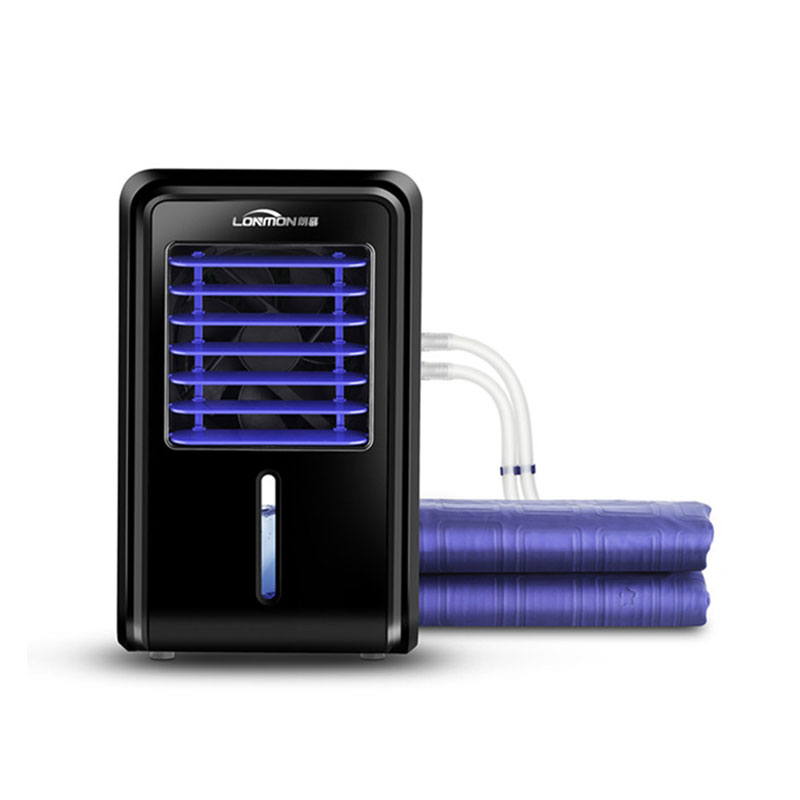
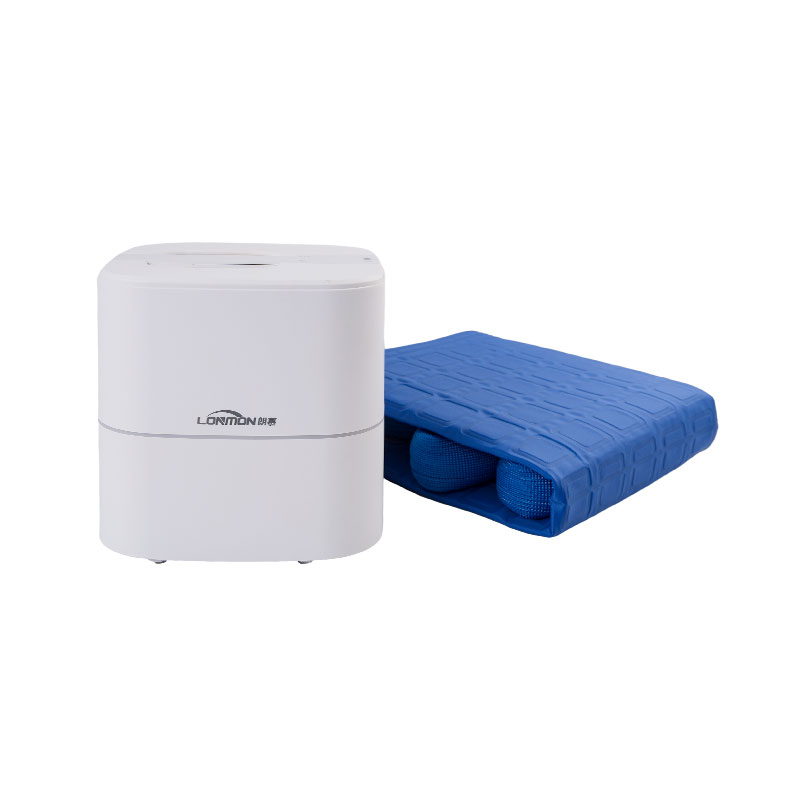
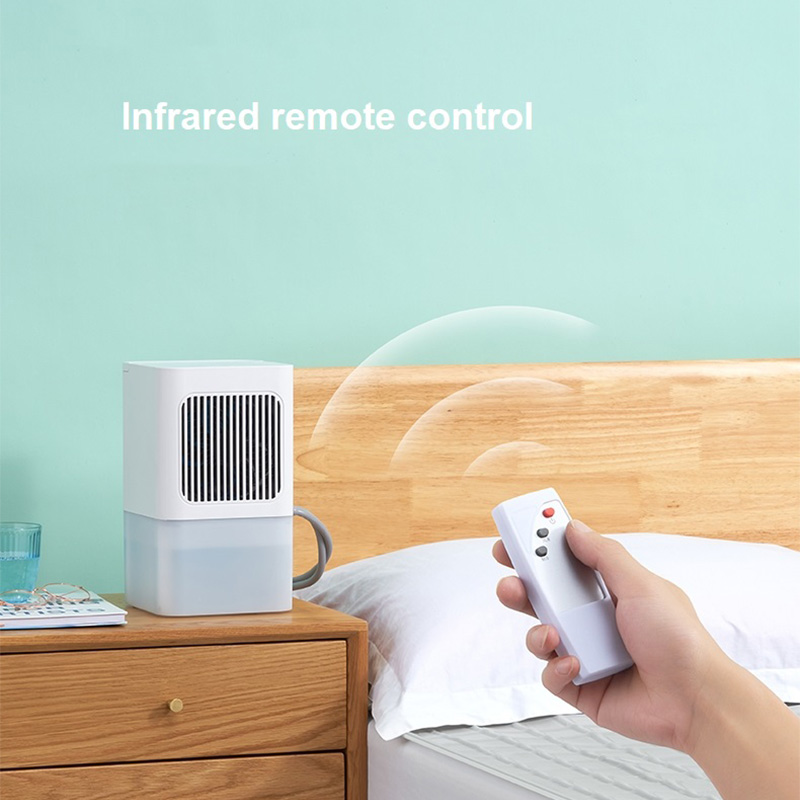
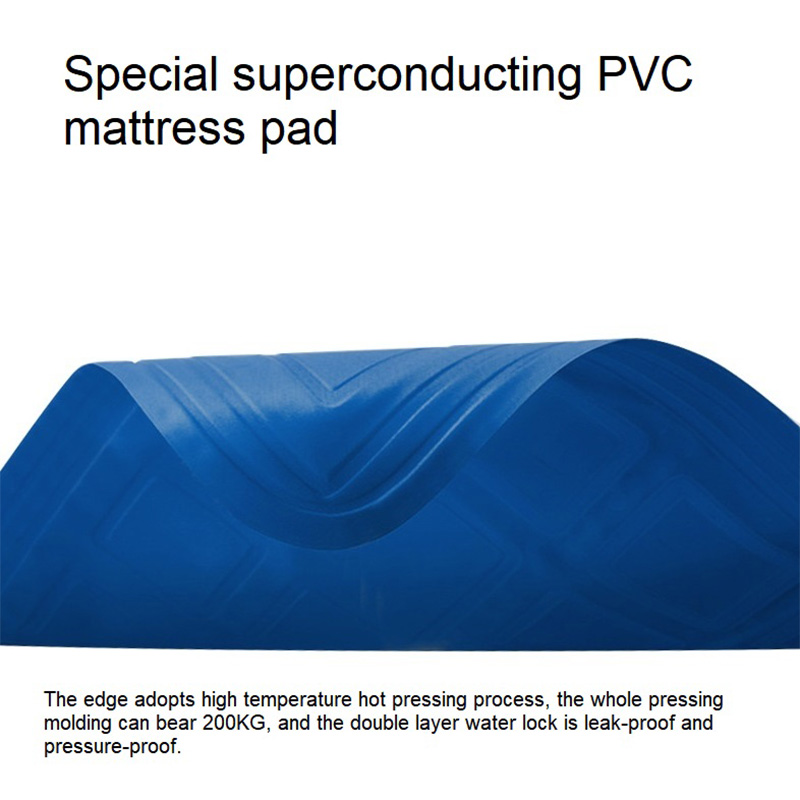
For people who wake up sweating, a water-cooled pad is one of the few solutions that removes heat rather than just making it less noticeable. The SL408 energy-efficient water-cooling mattress pad with remote control is a good example. Its special PVC/PA surface conducts heat well, and the energy-saving circulation unit is quiet enough for a real bedroom. The remote means you can change the intensity of the cooling without leaving the bed.
 Energy Efficient Water Cooling Mattress Pad Suppliers, ManufacturersLonmon Electrical Technology is China energy efficient water cooling mattress pad suppliers and manufacturers, custom water cooling mattr...View Product →
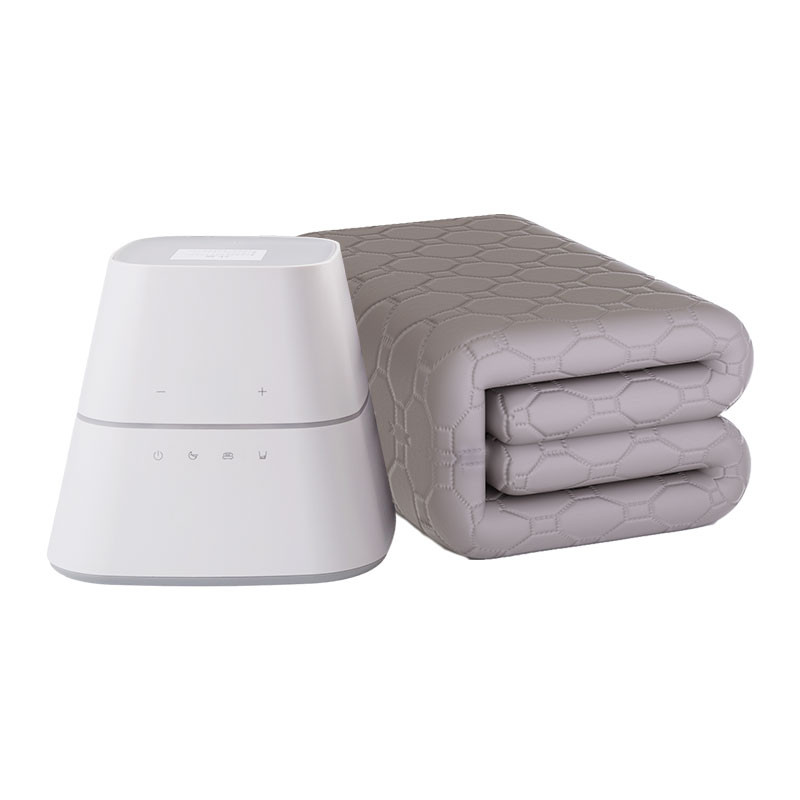
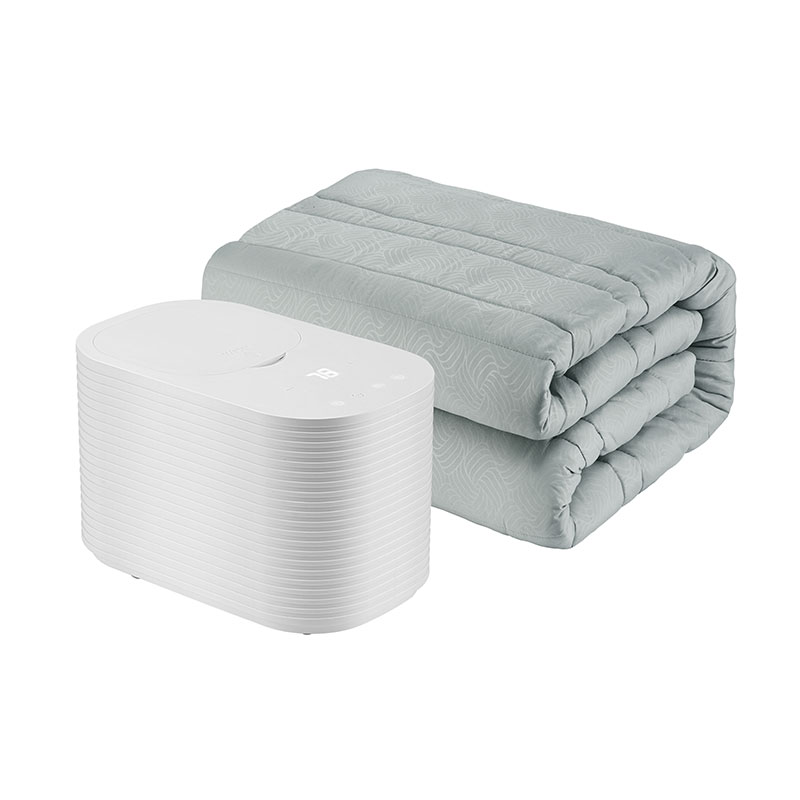
If you overheat across your whole body rather than just in one area, the SL1829 water-cooling mattress with bed cooling system covers the full mattress surface. It is designed for people whose night sweats are intense enough that a targeted pad is not sufficient.
 Water Cooled Mattress With Bed Cooling System ManufacturersAs China water cooled mattress with bed cooling system suppliers, manufacturers, Lonmon Electrical Technology offer OEM/ODM water cooling...View Product →
Water-Heated Pads for Cold Sleepers
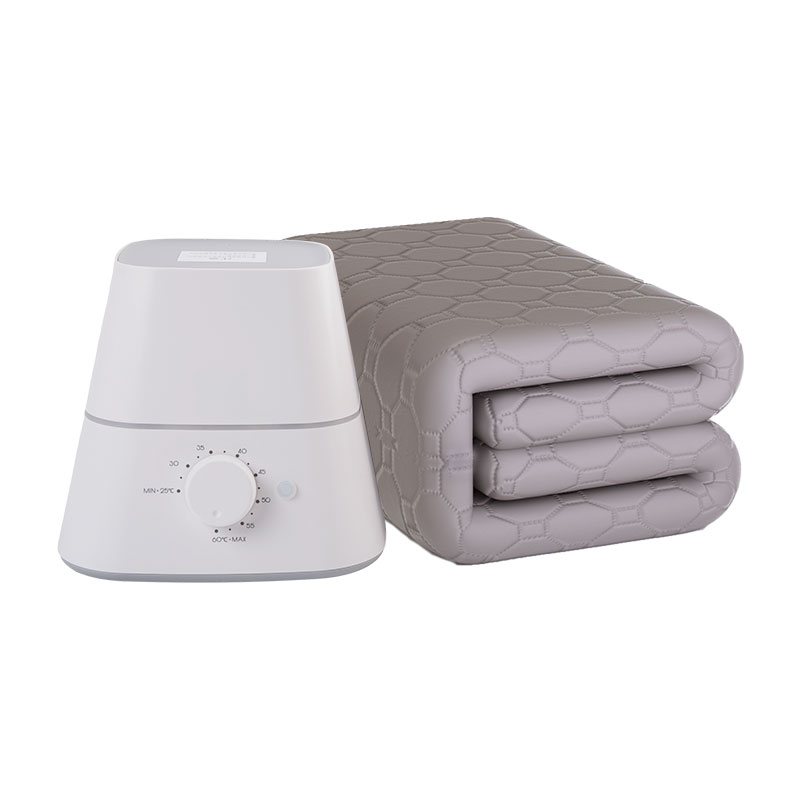
For the opposite problem, a water-heated pad is usually a better investment than an electric blanket. It holds a constant surface temperature instead of cycling on and off, and the heating element is outside the pad, so there is no electric wiring under your body. The N2215 intelligent constant-temperature water-heated mattress pad stabilizes the temperature at the level you set, which is helpful for elderly sleepers, children, pregnant women, and anyone whose hands and feet stay cold at night.
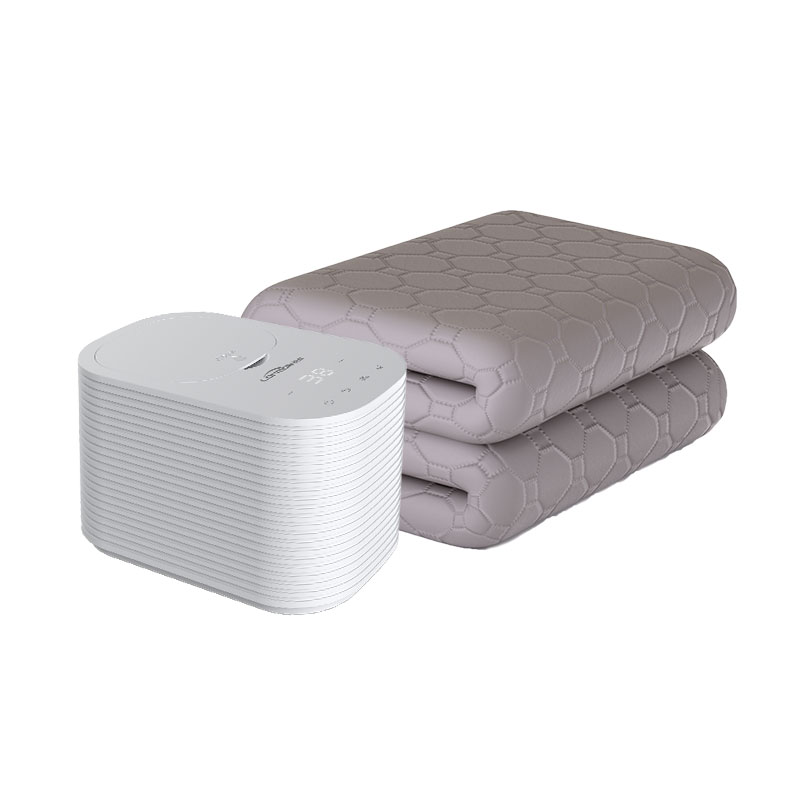 Intelligent Constant Temperature Water Heated Mattress Pad SuppliersLonmon Electrical Technology is China intelligent constant temperature water heated mattress pad suppliers and manufacturers, custom cons...View Product →
All water-circulating systems give you a level of control that passive bedding cannot match: you can adjust the water temperature with a thermostat, so the pad stays at exactly the setting that lets you sleep, and it holds that setting through the night.
Comparing Your Options
To decide what belongs in your bedroom, it helps to see how the strategies work side by side.
| Method | How It Works | Best For |
|---|---|---|
| Room thermostat and fan | Cools or warms the air and improves sweat evaporation | Most sleepers; the easiest first step |
| Warm bath or shower 90 minutes before bed | Raises skin blood flow, then triggers a core temperature drop | Cold-natured people and slow sleep onset |
| Breathable bedding and sleepwear | Reduces trapped heat and wicks moisture away from the skin | Mildly warm sleepers |
| Water-cooled mattress pad | Circulates cooled water under the body all night | Night sweats, hot flashes, chronic hot sleepers |
| Water-heated mattress pad | Circulates temperature-controlled warm water under the body | Cold sleepers, elderly people, children |
A Practical Bedtime Routine
A reliable routine combines the strategies in a way that is easy to repeat. Here is a sequence that works for many people:
- Set the bedroom to roughly 65°F (18°C) and keep humidity below 60 percent.
- Take a warm bath or shower about 90 minutes before bed.
- Wear breathable sleepwear and use a fan if the air feels still.
- If you know you sleep hot or cold, set your water pad to your preferred temperature before getting into bed.
- Track the room temperature and how you slept for a week.
If you try these steps and still wake up regularly soaked in sweat or uncomfortably cold, it is worth talking to a doctor. Persistent night sweats can point to an underlying medical condition, and only a professional can determine whether you need treatment rather than a better bedroom setup. For most people, though, the combination of a sensible room temperature, breathable bedding, and an active water-based pad is enough to end the cycle of waking up too hot or too cold.