英语
英语 中文简体
中文简体Why Water Cooled Mattress Systems Are Becoming a Preferred Sleep Solution
A water cooled mattress can dramatically improve sleep quality by maintaining a stable sleeping temperature throughout the night. Unlike traditional foam or spring mattresses that trap body heat, these systems circulate temperature-controlled water through internal channels or external mattress pads to remove excess heat efficiently. Temperature regulation is one of the most important factors affecting sleep depth, comfort, and recovery, and water cooling technology directly addresses this issue.
Sleep researchers consistently find that cooler sleeping environments support longer periods of deep sleep and reduce nighttime waking. Many adults experience overheating during sleep due to room conditions, dense bedding, hormonal changes, or heat-retaining mattress materials. Water cooled mattress systems provide active cooling instead of relying solely on breathable fabrics or passive airflow.
Modern systems can maintain precise temperature ranges, often adjustable between approximately 55°F and 115°F. This level of control allows sleepers to customize comfort according to climate, season, and personal preference. As energy efficiency and wellness awareness continue to grow, water cooled mattress technology has become increasingly relevant in both residential and hospitality environments.
How Water Cooled Mattress Technology Works
Water cooled mattress systems use circulating water to absorb and transfer heat away from the body. Because water transfers thermal energy more efficiently than air, these systems can stabilize sleeping temperatures faster and more consistently than traditional cooling materials.
Core Components of the Cooling System
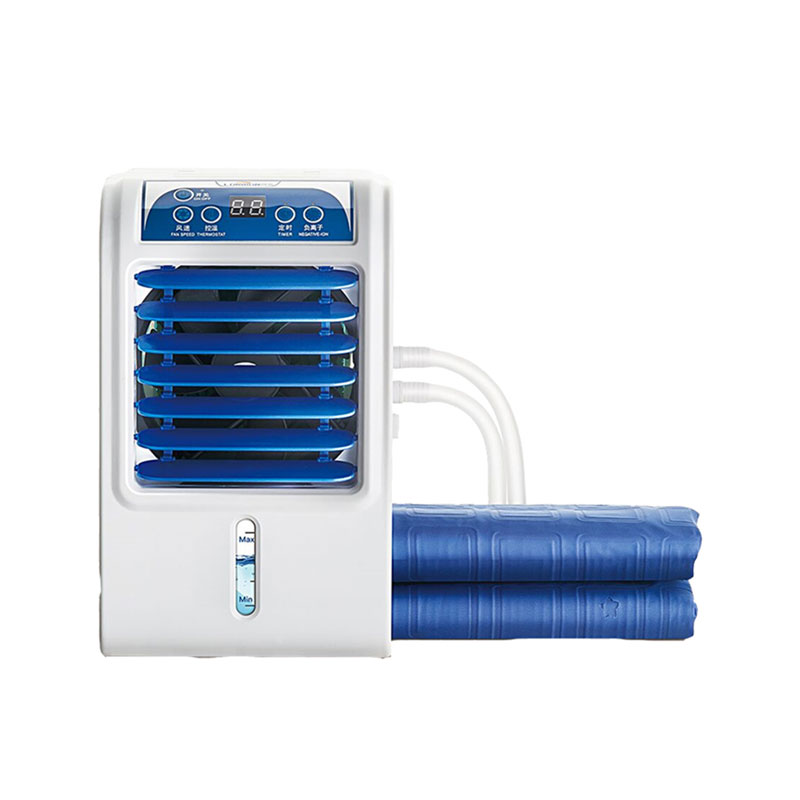
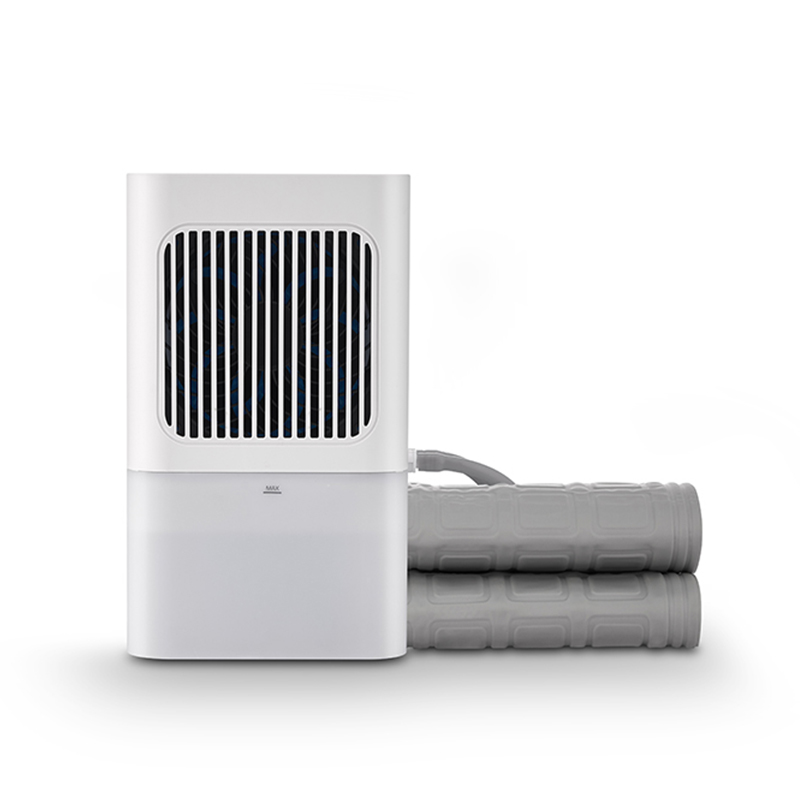
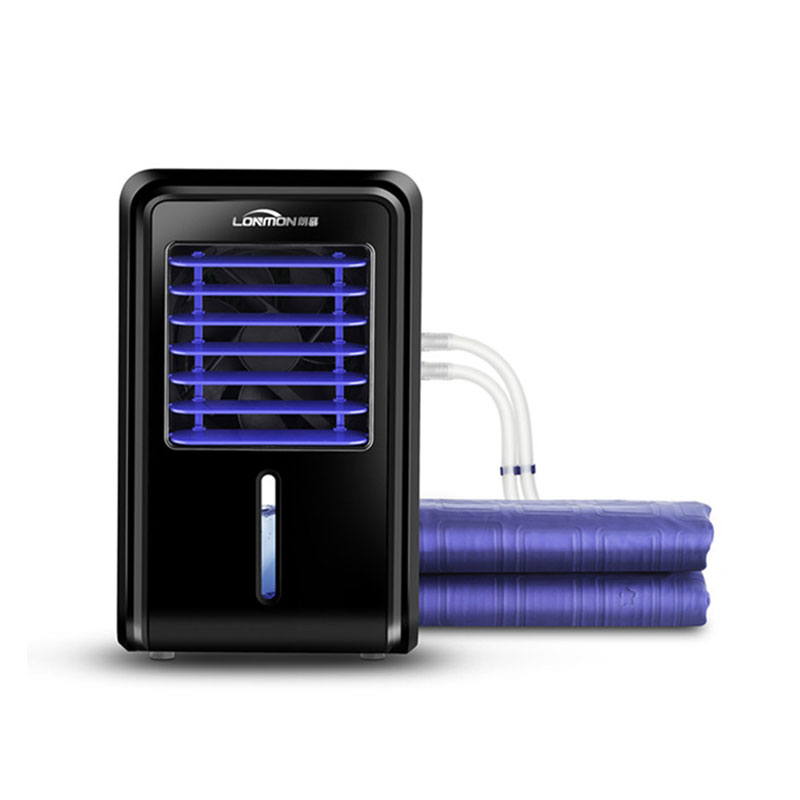
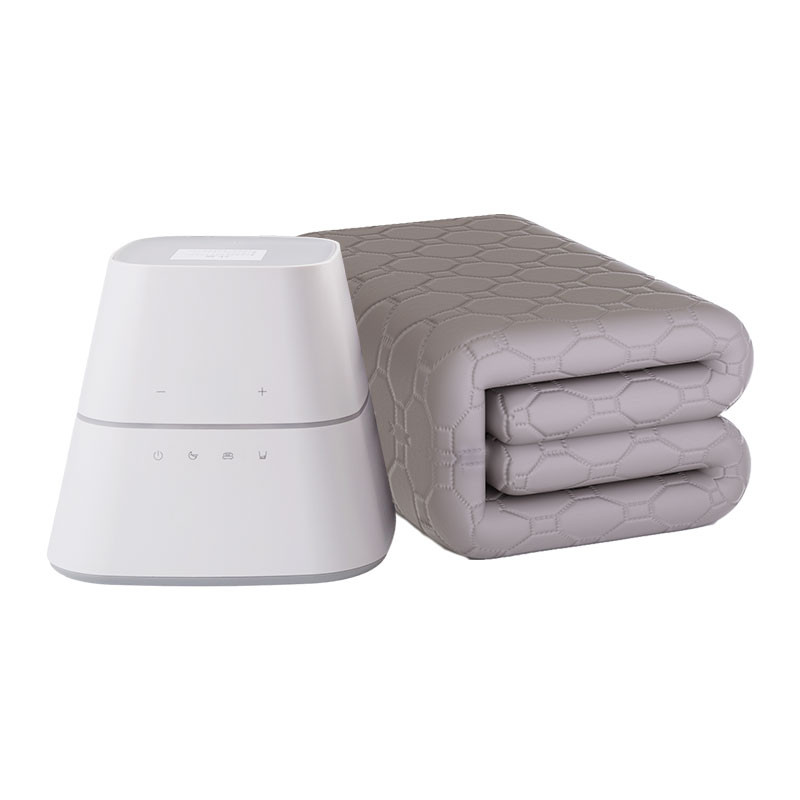
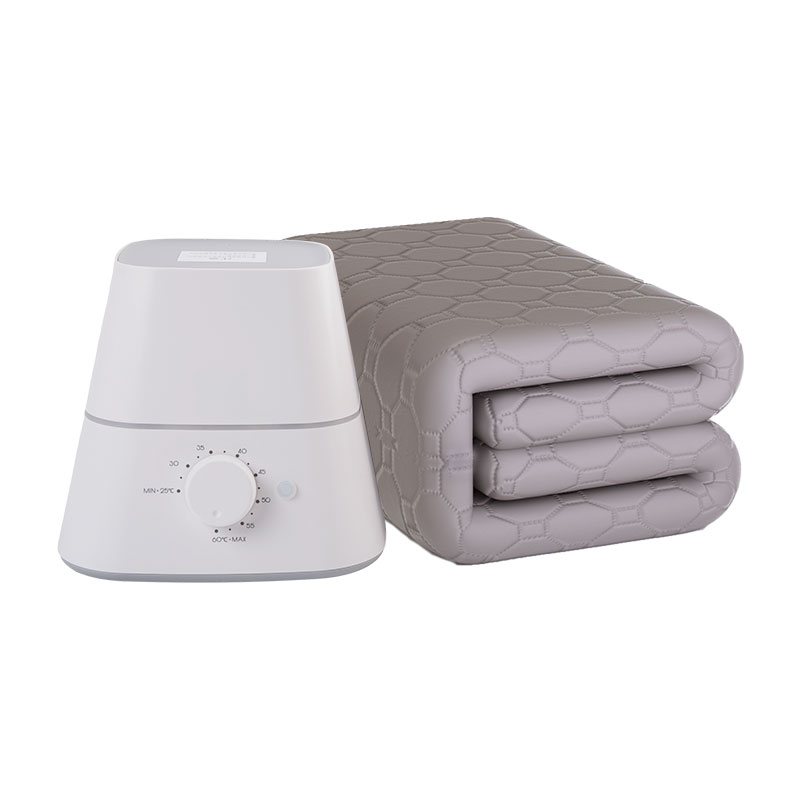
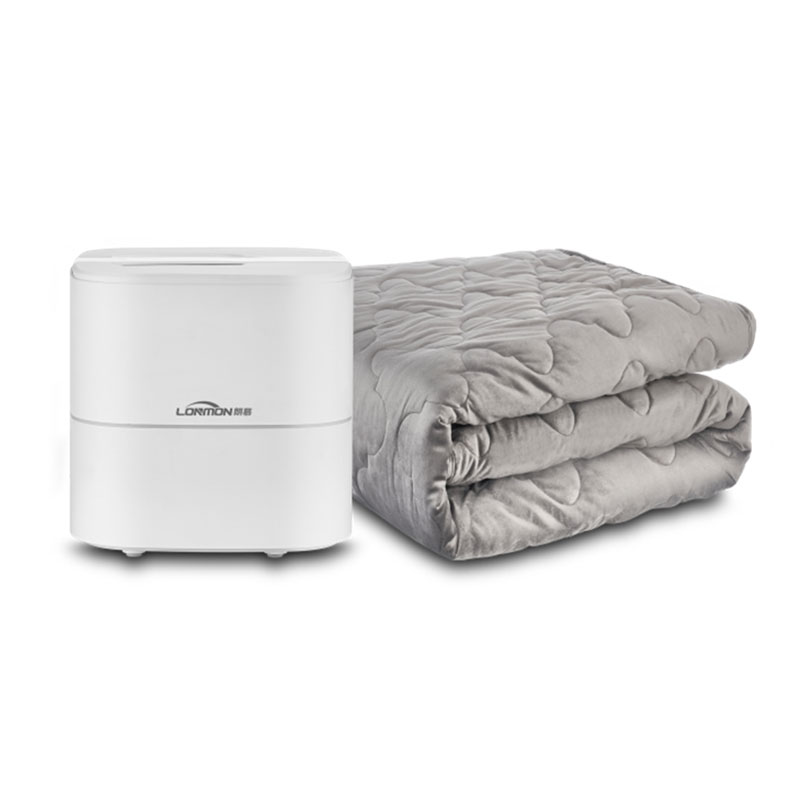
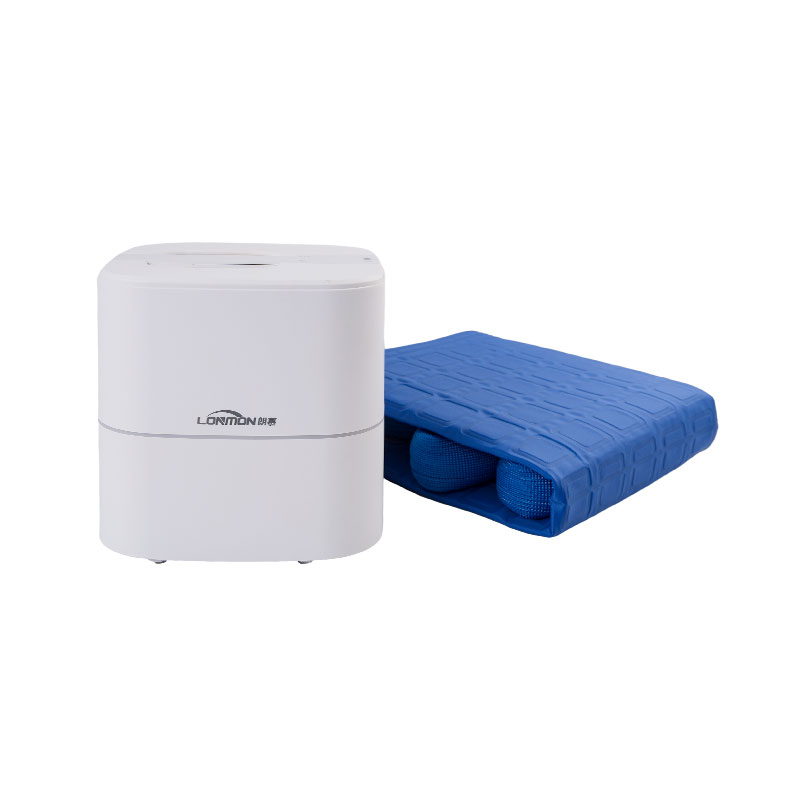
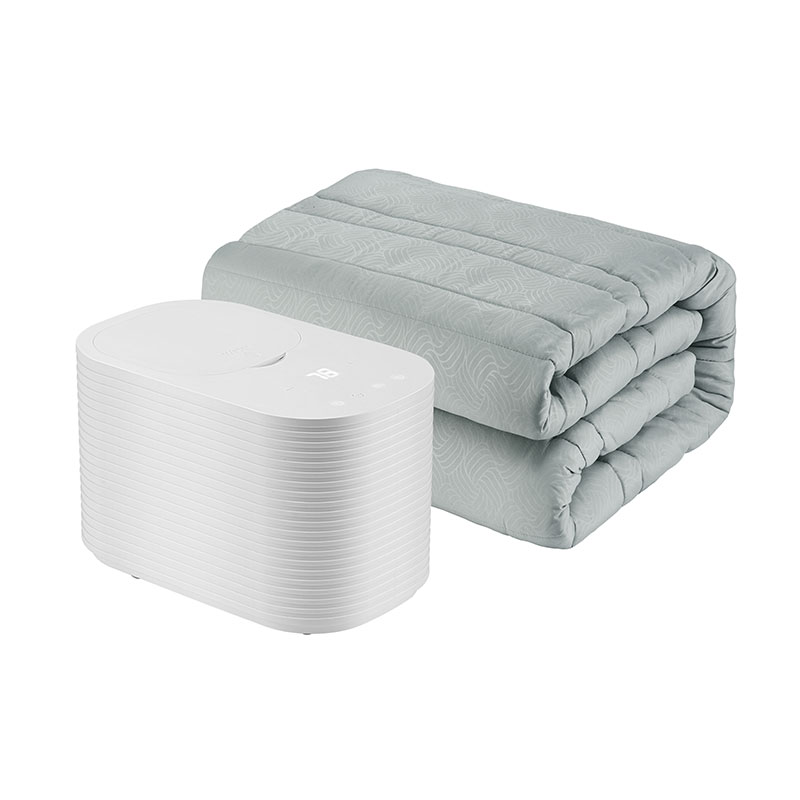
Most systems include a temperature control unit, a network of thin water channels, and a mattress topper or integrated mattress layer. The control unit heats or cools water and continuously circulates it through the system during sleep.
- Water reservoir for temperature regulation
- Pump system to circulate water
- Flexible tubing network embedded in bedding layers
- Control panel or mobile connectivity features
Why Water Transfers Heat Efficiently
Water has significantly higher thermal conductivity than air. This means it can absorb and transport heat away from the sleeper more effectively than cooling gels or breathable foam alone.
In practical use, a water cooled mattress can reduce surface temperature much faster than passive cooling materials. This is particularly important for individuals who experience night sweats or sleep in warm climates.
Dual-Zone Temperature Control
Many modern designs support dual-zone cooling, allowing two sleepers to select different temperatures on each side of the bed. This feature is especially useful for couples with different comfort preferences.
| Feature | Passive Cooling Mattress | Water Cooled Mattress |
|---|---|---|
| Active Temperature Control | No | Yes |
| Cooling Speed | Moderate | Fast |
| Custom Temperature Settings | Limited | Precise |
| Energy Consumption | Low | Moderate |
Sleep Benefits Associated With Water Cooling Technology
Temperature stability plays a direct role in sleep quality. Human body temperature naturally decreases before and during sleep, and overheating can interrupt this process.
Reduced Night Sweats and Overheating
Night sweats can result from warm climates, heavy bedding, hormonal fluctuations, or dense foam mattresses that trap heat. Water cooled mattress systems continuously remove excess heat from the sleeping surface, helping maintain a more balanced environment.
Many users report noticeable reductions in nighttime waking caused by overheating after switching to actively cooled bedding systems.
Support for Deep Sleep Cycles
Cooler body temperatures are commonly associated with deeper sleep phases. Maintaining a stable mattress temperature may help support uninterrupted sleep patterns, especially during warm weather conditions.
Comfort for Athletes and Physically Active Individuals
Athletes and physically active individuals often prioritize recovery-focused sleep environments. Cooler sleep temperatures may improve physical comfort after intense exercise and reduce heat retention caused by elevated metabolism.
Temperature Adaptation Throughout the Night
Some systems automatically adjust temperatures based on preset schedules. For example, a mattress may start cooler during early sleep stages and gradually warm before waking to improve comfort.
Comparing Water Cooled Mattress Designs
Not all water cooled mattress systems use identical construction methods. Buyers typically encounter integrated mattresses, cooling toppers, or modular systems.
Integrated Cooling Mattresses
Integrated systems contain internal water channels built directly into the mattress layers. These products provide a cleaner appearance and more consistent cooling performance across the sleeping surface.
However, integrated systems are generally more expensive and heavier than removable cooling toppers.
Cooling Mattress Pads and Toppers
Cooling toppers sit on top of an existing mattress and circulate water through thin tubing layers. These systems are easier to install and allow users to upgrade current bedding without replacing the entire mattress.
Hybrid Sleep Systems
Hybrid configurations combine water cooling with memory foam, latex, or pocket spring support structures. This approach balances ergonomic support with active temperature management.
| System Type | Installation Complexity | Cooling Efficiency | Typical Cost Range |
|---|---|---|---|
| Integrated Mattress | High | Very High | Premium |
| Cooling Topper | Low | High | Moderate |
| Hybrid Cooling System | Moderate | High | Mid to Premium |
Energy Efficiency and Household Climate Control
Water cooled mattress systems may contribute to lower household cooling demands by reducing the need for aggressive air conditioning during sleep hours.
Localized Cooling Versus Whole-Room Cooling
Cooling an entire bedroom requires significantly more energy than cooling a targeted sleeping surface. Because water cooled mattresses focus directly on body contact areas, they can improve comfort while allowing room temperatures to remain slightly higher.
Studies on residential energy use show that increasing thermostat settings by just 1°F to 2°F during summer months can contribute to measurable electricity savings.
Power Consumption Considerations
Most systems consume less electricity than large room cooling appliances, although energy use varies based on cooling intensity and operating duration.
- Lower fan usage compared with room cooling systems
- Reduced overnight thermostat dependence
- Targeted energy consumption focused on sleeping areas
Noise Levels During Operation
Most modern systems operate quietly, although pump and fan sounds vary by design. Premium systems typically incorporate insulated pumps and variable-speed fans to reduce nighttime noise.
Important Features to Evaluate Before Buying
Not every water cooled mattress offers the same performance level. Construction quality, cooling consistency, and maintenance requirements should all be reviewed carefully before purchase.
Temperature Range and Precision
Systems with broader temperature ranges provide better year-round flexibility. Precise control settings are especially important for users sensitive to temperature fluctuations.
Tubing Durability and Leak Resistance
High-quality tubing materials improve flexibility and reduce the risk of leakage. Reinforced connectors and sealed joints are important for long-term reliability.
Advanced systems often use medical-grade or reinforced tubing materials designed to withstand continuous circulation and pressure changes.
Maintenance Accessibility
Regular maintenance helps maintain performance and hygiene. Some systems include self-cleaning functions, while others require manual cleaning and water replacement.
Smart Features and Automation
Many systems now integrate programmable schedules, mobile controls, and sleep tracking compatibility. Automated cooling schedules can improve comfort throughout different sleep stages.
Maintenance and Long-Term Care
Proper maintenance extends system lifespan and preserves cooling efficiency. Because water circulates continuously through tubing networks, cleanliness and mineral control are important.
Cleaning the Water Reservoir
Manufacturers commonly recommend cleaning reservoirs every one to three months depending on usage frequency and water quality.
Preventing Mineral Buildup
Hard water minerals can accumulate inside tubing systems over time. Distilled water is often recommended because it reduces scale buildup and improves circulation reliability.
Inspecting Connections and Hoses
Periodic inspection of hose connections helps identify wear or loosening before leakage occurs. Most systems use quick-connect fittings designed for easy maintenance access.
- Replace water regularly
- Keep tubing free from sharp bends
- Maintain airflow around the control unit
- Use protective mattress covers if recommended
Who Benefits Most From a Water Cooled Mattress
Although many people appreciate cooler sleep environments, some groups may experience especially noticeable benefits from active cooling systems.
Hot Sleepers
Individuals who consistently wake up feeling overheated are among the most common users of water cooled mattress systems. Heat-retaining foam mattresses can intensify discomfort for these sleepers.
Warm Climate Households
Homes in regions with high nighttime temperatures may benefit from localized cooling without requiring extremely low room thermostat settings.
Couples With Different Temperature Preferences
Dual-zone systems reduce temperature conflicts by allowing independent cooling levels on each side of the bed.
Individuals Focused on Sleep Recovery
People who prioritize sleep optimization often seek precise environmental control. Water cooling systems offer consistent temperature management that traditional mattresses cannot provide alone.
| Sleeper Type | Common Sleep Issue | Potential Benefit |
|---|---|---|
| Hot Sleeper | Overheating | Continuous cooling |
| Athlete | Recovery discomfort | Improved sleep comfort |
| Couples | Different temperature needs | Dual-zone control |
| Warm Climate Resident | High nighttime heat | Localized cooling efficiency |