英语
英语 中文简体
中文简体What an Electric Water Cooled Mattress Pad Actually Does
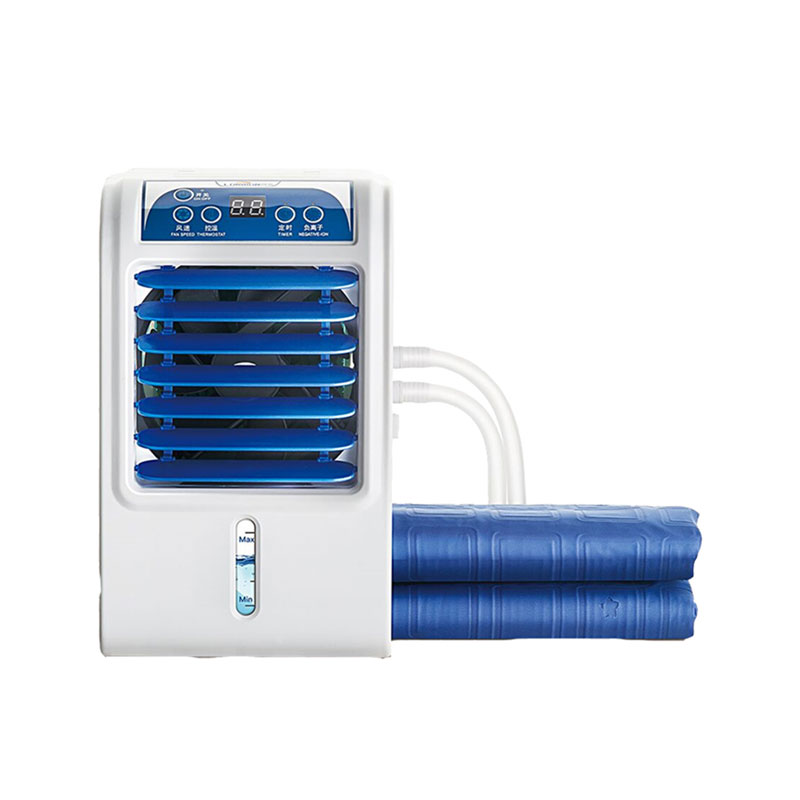
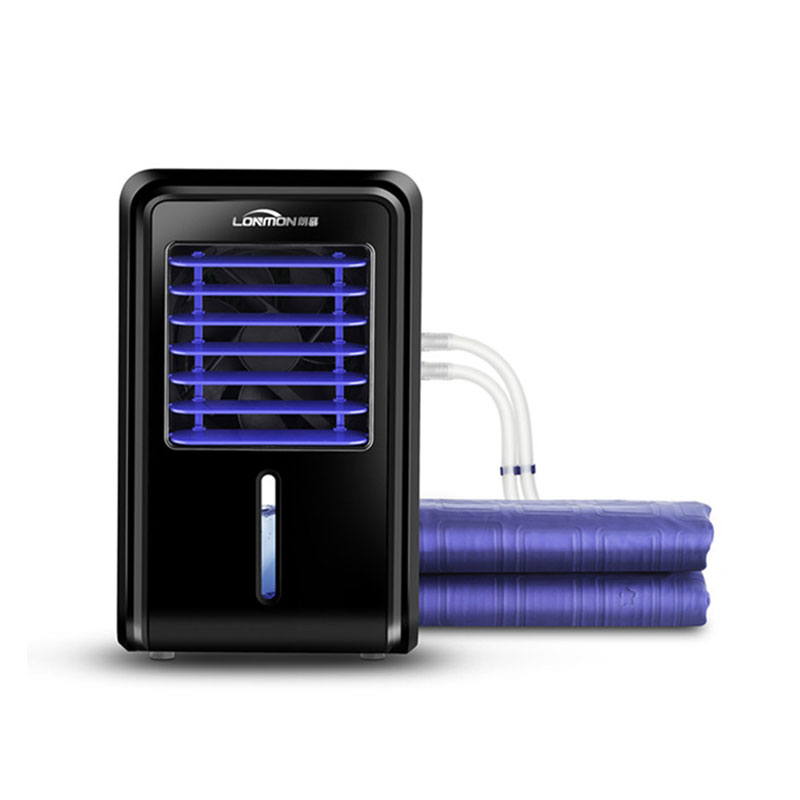
An electric water cooled mattress pad keeps your sleeping surface at a consistent, programmable temperature by circulating chilled or warmed water through a network of thin silicone tubes woven into the pad. Unlike a traditional electric blanket that radiates heat from coils, this system works by moving temperature-controlled water from a bedside unit directly under your body — where your skin actually makes contact with the sleep surface. The result is a sleeping temperature you set and hold all night, regardless of room humidity, season, or your partner's preference.
If you sleep hot, wake up sweating, or live somewhere with warm summers and limited air conditioning, this technology is one of the most direct solutions available. It addresses the problem at the source — your mattress — rather than trying to cool an entire room down to a comfortable level.
How the System Works
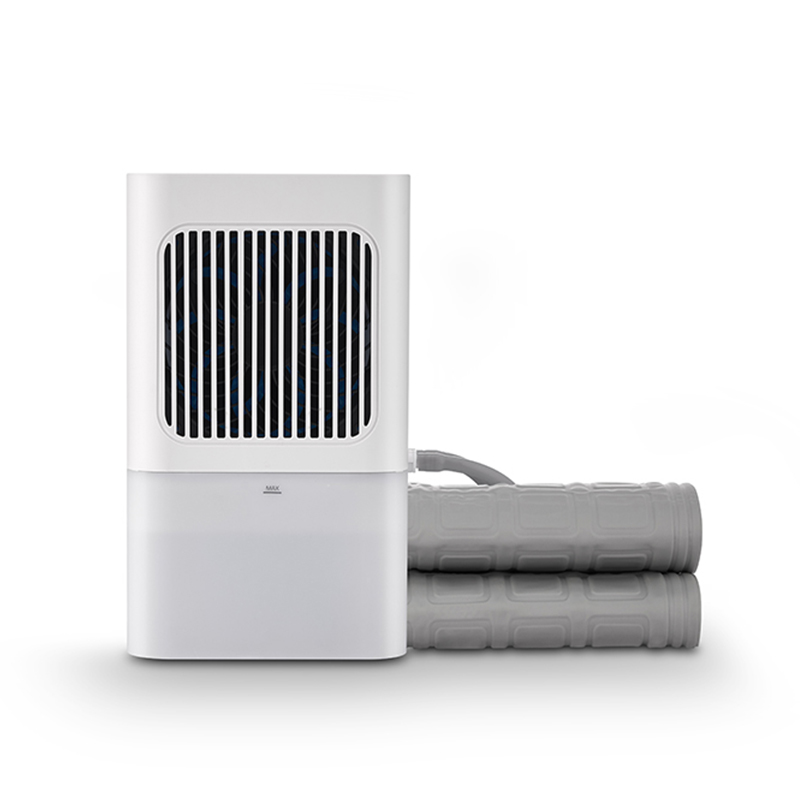
The core components of an electric water cooled mattress pad system are:
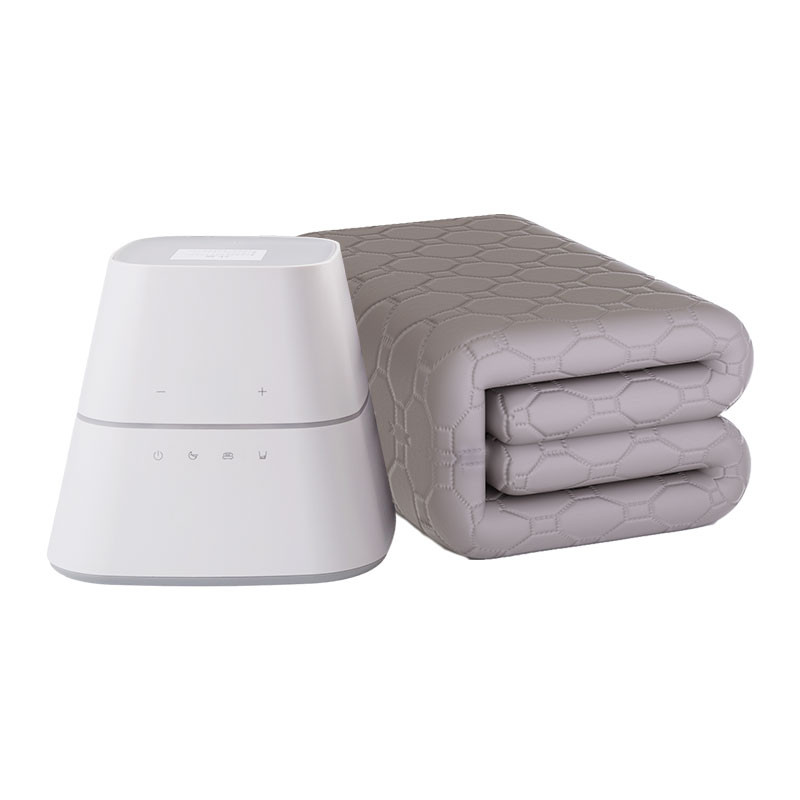
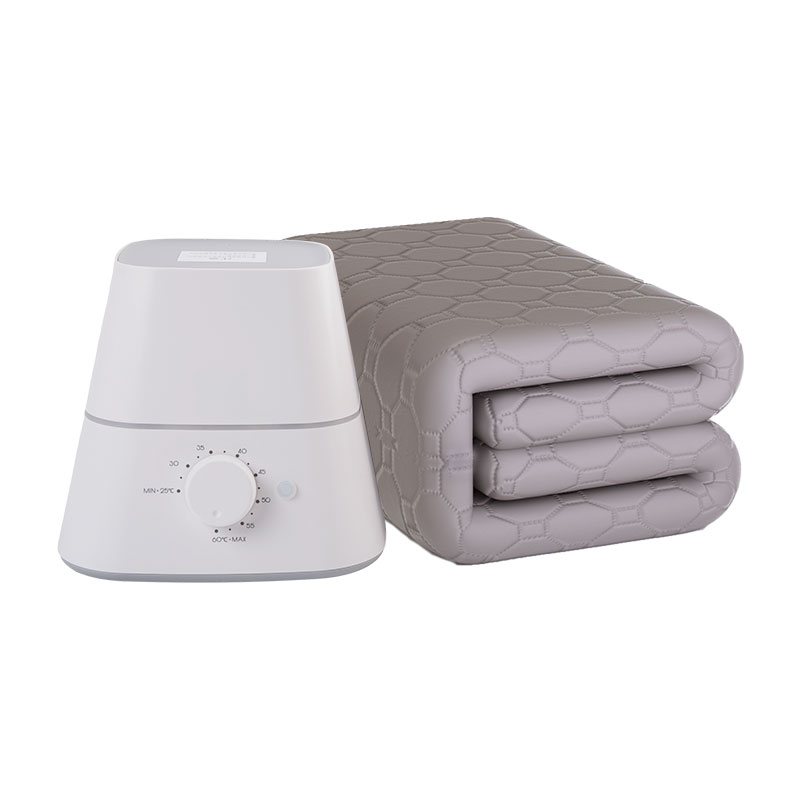
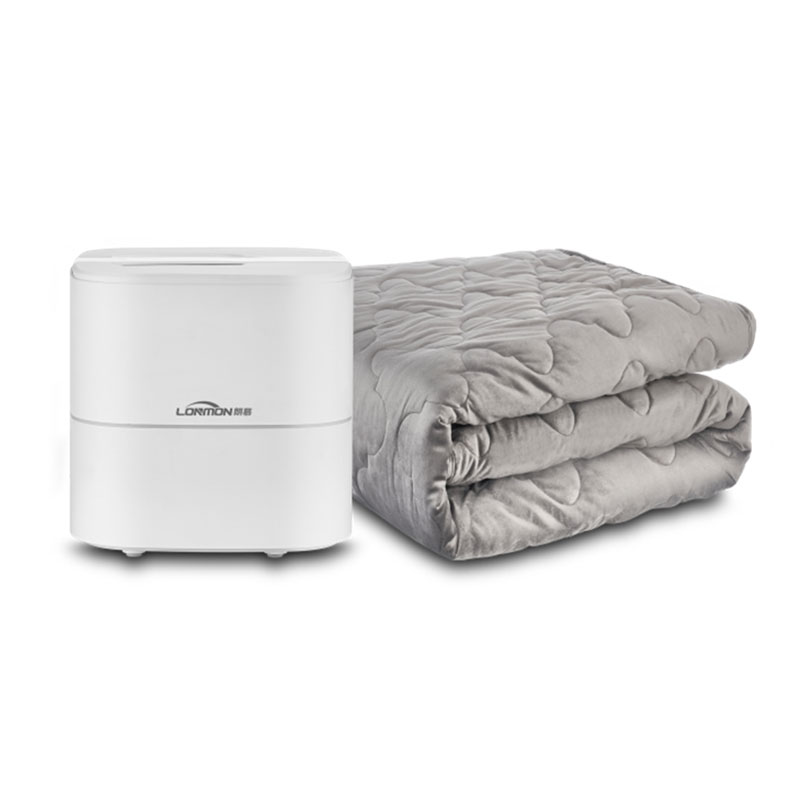
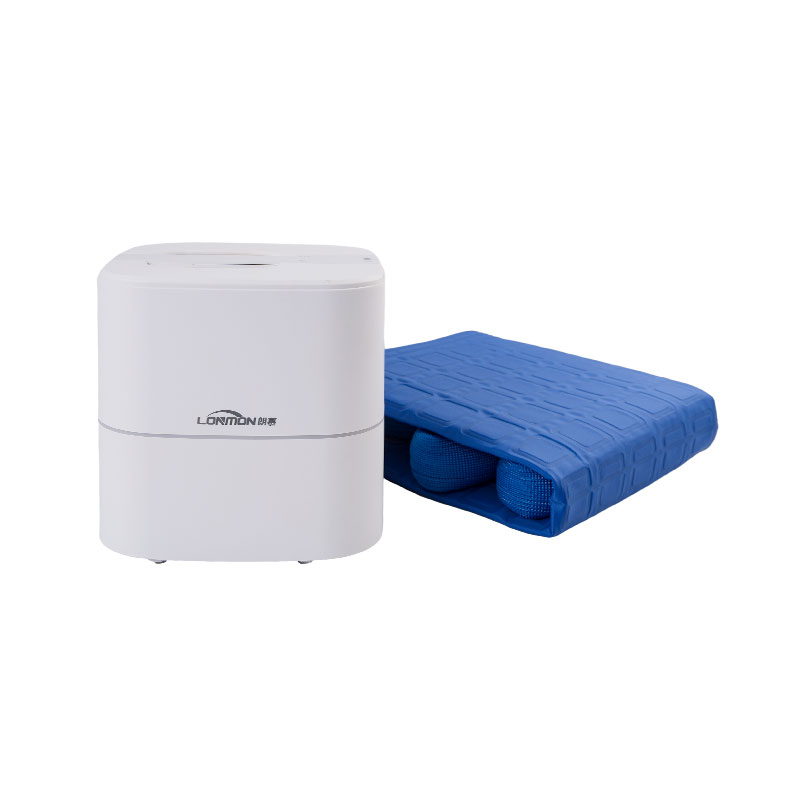
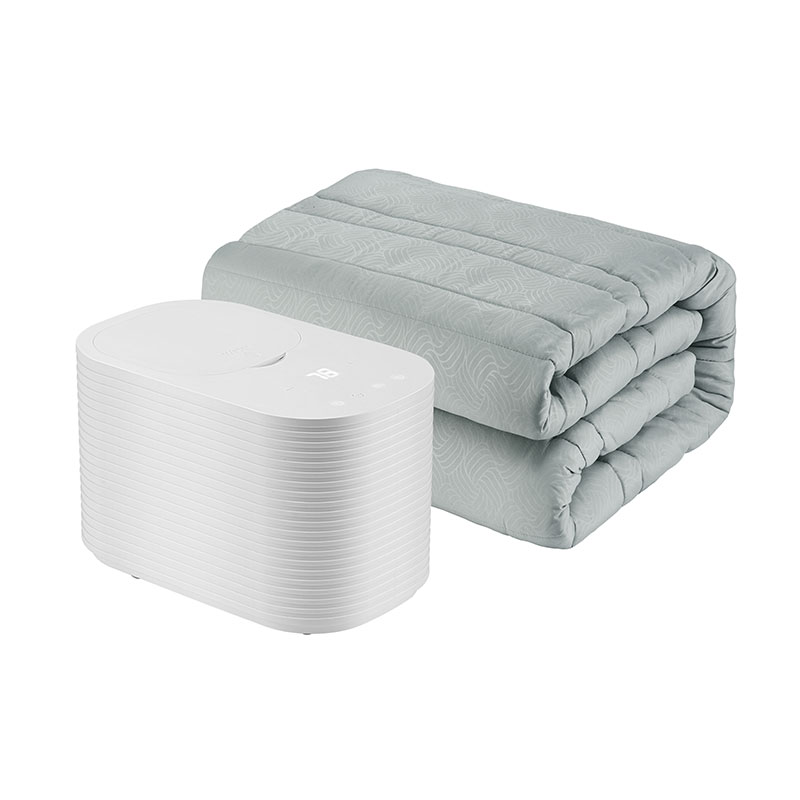
- A control unit (about the size of a small humidifier) that heats or cools a water reservoir
- A pump that pushes water through a closed loop of tubing
- A pad fitted with micro-tubes that sits on top of your mattress (under the fitted sheet)
- A digital or app-based controller to set temperature, schedule, and intensity
Water is temperature-controlled in the unit, then circulated continuously through the pad. The closed-loop design means you're not evaporating or losing water — it recirculates. Most systems use distilled water to prevent mineral buildup in the tubes.
Temperature ranges typically span from about 55°F to 110°F (13°C to 43°C), letting you cool down in summer and warm up in winter with the same device. Some dual-zone versions allow two people to set completely different temperatures on each side of the bed.
Why Sleeping Temperature Matters More Than Most People Realize
Sleep science consistently links core body temperature to sleep quality. Your body naturally begins cooling itself about two hours before sleep, dropping roughly 1–2°F as part of the process that triggers melatonin release. If your sleeping environment is too warm, this drop is disrupted.
A study published in the journal Sleep Medicine Reviews found that elevated bedroom temperatures were among the most commonly reported environmental causes of poor sleep, with subjects sleeping significantly less in warm conditions. The National Sleep Foundation recommends a bedroom temperature between 60°F and 67°F for optimal sleep — a range many households find difficult or expensive to maintain year-round with HVAC alone.
An electric water cooled mattress pad sidesteps the room temperature problem entirely. Even if your bedroom is 75°F, the surface you're lying on can be 65°F. Your skin — which drives your perception of thermal comfort during sleep — contacts the pad directly, not the air around you.
Hot Sleepers vs. Temperature Regulation Disorders
People who benefit most from water-cooled sleep systems fall into a few distinct groups:
- Naturally hot sleepers — individuals whose metabolic rate or body composition causes them to radiate more heat while resting
- Menopausal women — hot flashes and night sweats are reported by up to 75% of women going through menopause, making temperature control a medical priority, not just a comfort preference
- People with hyperhidrosis — excessive sweating during sleep, regardless of room temperature
- Couples with mismatched temperature preferences — dual-zone systems solve a common bedroom conflict without compromise
- Athletes in recovery — cooling therapy aids muscle recovery, and some users run their pads cold after intense training days
Water Cooling vs. Other Sleep Cooling Methods
It helps to understand where water-cooled pads sit relative to other options before committing to one. Each cooling method has a different mechanism, cost, and effectiveness ceiling.
| Method | How It Works | Temperature Control | Approx. Cost | Best For |
|---|---|---|---|---|
| Electric water cooled pad | Circulates water through pad tubing | Precise, programmable | $300–$800+ | Hot sleepers, couples, medical needs |
| Gel memory foam topper | Absorbs and dissipates body heat | Passive, no adjustment | $80–$300 | Mild hot sleepers |
| Cooling mattress protector | Moisture-wicking fabric | None — reactive only | $30–$120 | Light sweating, low budget |
| Air-cooled mattress system | Circulates air through foam channels | Limited, fan-speed based | $150–$500 | Moderate hot sleepers |
| HVAC / bedroom AC | Cools entire room air | Room-level, approximate | High ongoing energy cost | General comfort, not targeted |
Passive solutions like gel toppers reach saturation — once they absorb as much heat as they can hold, they stop working. Water-cooled pads continuously remove heat from the surface throughout the night. That's a fundamental difference in how effective they stay after the first hour of sleep.
Key Features to Evaluate Before You Buy
Not every electric water cooled mattress pad performs the same way. The market has grown substantially, and the differences between entry-level and premium systems go beyond price. Here's what to examine closely.
Temperature Range and Precision
Check whether the system lists actual water temperature or a numbered scale (like 1–10). Systems with degree-level control give you far more precision and repeatability — you can land on exactly 68°F every night rather than guessing where "level 4" lands. Precision matters especially if you're using the system for medical or recovery purposes.
Single Zone vs. Dual Zone
A dual-zone system uses two separate control units, each with its own pad half. This is a premium feature — typically adding $150–$300 to the total cost — but it resolves one of the most common sleep conflicts between partners. If your partner sleeps cold while you sleep hot, a dual-zone pad is worth every cent of the premium.
Noise Output
The pump and water circulation generate some level of noise. Better-engineered units operate at around 30–40 decibels — roughly the level of a quiet library or soft rainfall. Cheaper units can reach 50–55 decibels, which is comparable to a household fan and may disturb light sleepers. Always check independent reviews for real-world noise measurements, not just marketing claims.
Scheduling and Smart Integration
Many systems now offer smartphone app control, pre-set schedules (e.g., start cooling 30 minutes before you get into bed), and integration with sleep trackers. Scheduled pre-cooling is one of the most underrated features — getting into an already-cooled bed accelerates sleep onset compared to waiting for the pad to cool down while you're already lying in it.
Pad Thickness and Mattress Compatibility
The pad itself typically adds 0.25 to 0.5 inches to your mattress surface. This is thin enough to go unnoticed for most people. However, if you use a mattress with a very deep foam comfort layer, the insulating effect of that foam can reduce how efficiently the pad's temperature reaches you. Water-cooled pads work best on firmer mattresses or those with thinner comfort layers — generally under 3 inches of foam above the support core.
Energy Use: What It Actually Costs to Run
A common concern is electricity consumption. Electric water cooled mattress pads are more efficient than most people expect — especially compared to running a bedroom air conditioner through the night.
- Most single-zone units consume between 60 and 120 watts during active cooling
- A typical window AC unit draws 500–1,500 watts
- At the US average electricity rate (~$0.16/kWh), running a 100W pad for 8 hours costs roughly $0.13 per night — under $4 per month
- Running a small 750W AC for the same period costs approximately $0.96 per night — over $28 per month
Replacing nightly AC use with a water-cooled pad could save $200–$300 per year in warmer climates, which goes a long way toward offsetting the upfront cost of the system within the first year or two.
Setup, Maintenance, and Longevity
Setting up an electric water cooled mattress pad takes about 20–30 minutes. The general process:
- Lay the pad flat on your mattress, tube side down
- Connect the pad's tubing to the control unit via quick-connect fittings
- Fill the reservoir with distilled water (usually 1–2 liters)
- Run a priming cycle to purge air from the tubing
- Cover with your fitted sheet and set your first temperature
Ongoing Maintenance
Maintenance is minimal but important for keeping the system running cleanly:
- Top off with distilled water every 2–4 weeks as a small amount evaporates over time
- Add a cleaning solution (usually provided by the manufacturer) every few months to prevent algae and mineral buildup in the tubing
- Never use tap water — the minerals will gradually clog the micro-tubes and reduce performance
- The pad itself should not be machine-washed with the tubes attached — follow manufacturer guidance for surface cleaning
With proper maintenance, well-built systems have reported lifespans of 5–10 years. The pump is the most common failure point; some manufacturers offer replacement pumps separately, which can extend the life of the rest of the system.
Common Concerns — and Honest Answers
Is there any risk of leaks?
Leaks are technically possible but extremely rare in quality-built systems. The tubing is silicone, designed to be flexible and durable. The water volume in the pad itself is small — typically under half a liter — so even if a fitting came loose, the volume involved is modest. Quick-connect fittings should be checked after initial setup and again after washing the fitted sheet, as tugging on the sheet occasionally loosens the connection.
Does it feel uncomfortable to sleep on?
Most users report that the tubing texture becomes undetectable within a few nights, particularly once covered with a fitted sheet. Thicker sheets (higher thread count) help further. People accustomed to memory foam mattresses may take slightly longer to adjust since the surface is less conforming, but it is not comparable to sleeping on ridges or lumps.
Can it actually warm the bed in winter?
Yes — this is an underappreciated feature. Running the pad at 100–110°F provides a very effective warming function and many users prefer it to an electric blanket because the heat is distributed more evenly across the entire sleep surface, rather than concentrated in heating wires. It also doesn't create the dry heat sensation that some people find uncomfortable with traditional electric blankets.
What if the pump fails overnight?
If the pump stops, the pad simply becomes a passive layer — it won't heat or cool, but it's not a hazard. There are no exposed heating elements, and the water remains contained in the closed loop. Most control units include an auto-shutoff feature and will alert you (via app or indicator light) if water levels drop too low or the system detects an anomaly.
Who Should Think Twice Before Buying
An electric water cooled mattress pad is not the right fit for everyone. Consider pausing if:
- You sleep on a very thick pillow-top or plush mattress with 4+ inches of foam — the insulating foam will significantly reduce the effectiveness of the cooling
- You're a very restless sleeper who rotates frequently — the tubing connection at the edge of the bed may be an inconvenience if you tend to roll to the side where the tubes connect
- Your primary sleep issue is unrelated to temperature — if insomnia stems from noise, light, stress, or sleep apnea, a pad won't address the root cause
- Budget is the primary constraint — there are more affordable passive options that can meaningfully help mild cases without the upfront investment
Getting the Most Out of Your Water Cooled Pad
A few practical habits make a real difference in how well the system performs night to night:
- Pre-cool 30–60 minutes before bed. The pad reaches target temperature within about 20 minutes, but letting it run longer means the entire mattress surface is already conditioned when you lie down.
- Use a lightweight breathable sheet. A thin cotton or bamboo fitted sheet allows the temperature to pass through more freely than heavy jersey or flannel.
- Start slightly warmer than you think you need. Many people overcool on the first night and wake up cold. Start at 68–70°F and adjust downward by 1–2°F until you find your ideal setting.
- Use the warm-up feature in winter mornings. Programming the system to increase temperature 30 minutes before your alarm makes waking up significantly more comfortable in cold months.
- Keep the control unit well-ventilated. Don't tuck it behind the nightstand or close to the wall — it needs airflow to dissipate the heat it removes from the water.