英语
英语 中文简体
中文简体Electric Water Cooled Mattress Pads vs. Air-Cooled Electric Mattress Pads: Which Actually Keeps You Cool at Night?
Electric water cooled mattress pads deliver more consistent, deeper, and energy-efficient temperature regulation than air-cooled electric alternatives, making them the superior choice for people who struggle with overheating during sleep. Water conducts heat approximately 25 times more effectively than air, which translates directly into measurable differences in sleep surface temperature control. That said, air-cooled systems have a meaningful place in the market for users prioritizing lower upfront cost and simpler maintenance.
Sleeping hot is not a minor inconvenience. Research from the National Sleep Foundation indicates that temperature is the single most cited environmental factor affecting sleep quality, with approximately 73% of adults reporting that a cool sleeping environment is important to getting a good night's rest. The ideal core body temperature for sleep onset is around 98.2°F (36.8°C), and the body needs to shed heat to reach it. When your mattress traps heat — as most foam and hybrid mattresses do — your body struggles to cool down, disrupting the sleep cycle and reducing time spent in restorative deep and REM sleep stages.
Electric mattress pads with active cooling systems address this problem directly. Understanding how water-cooled and air-cooled systems differ in practice is essential before making a purchase that will affect your sleep quality for years.
How Each System Works
Electric Water Cooled Mattress Pads
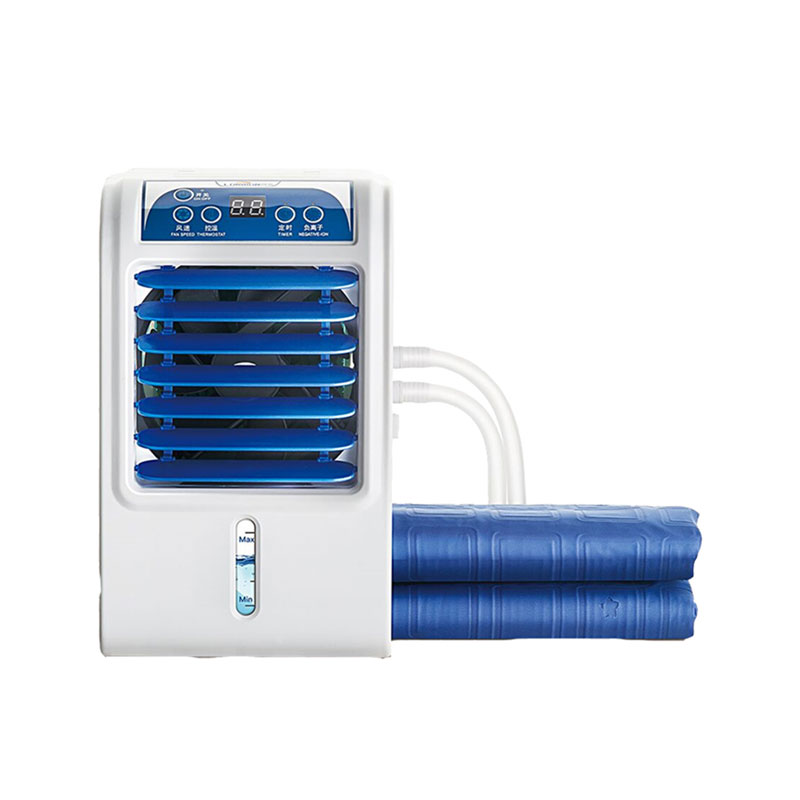
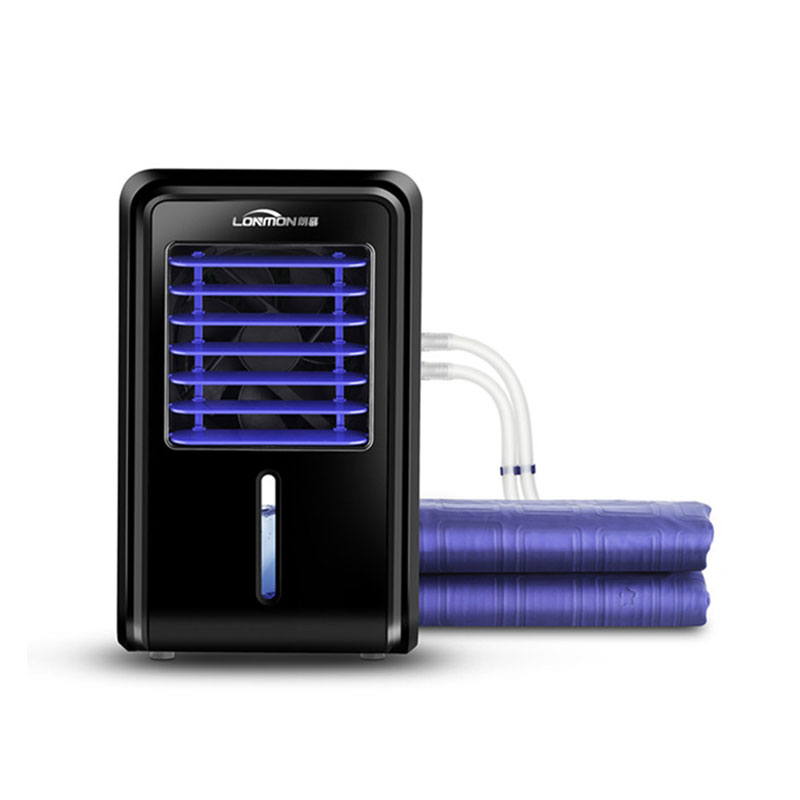
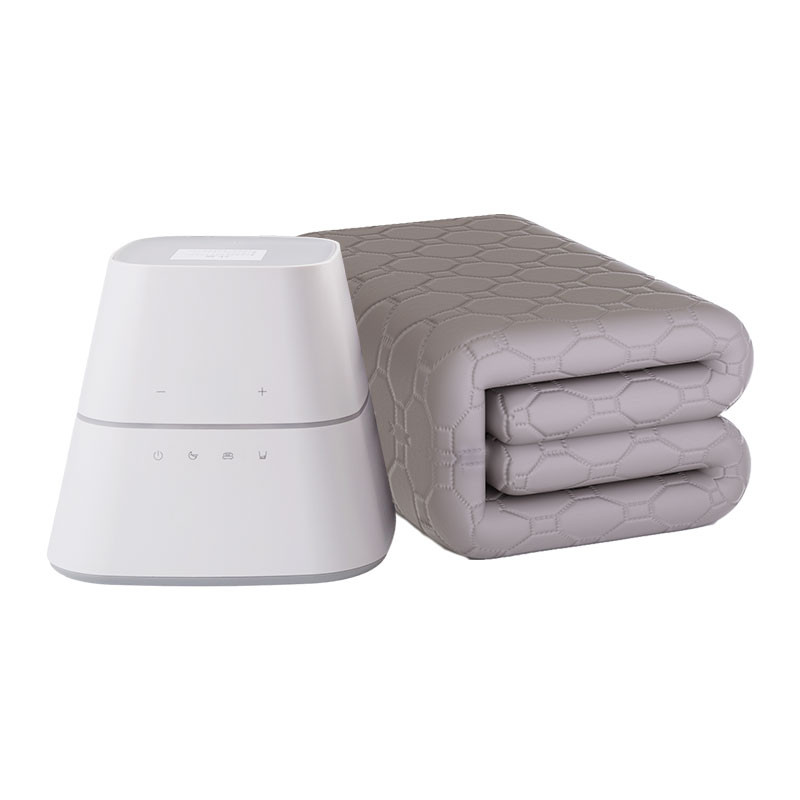
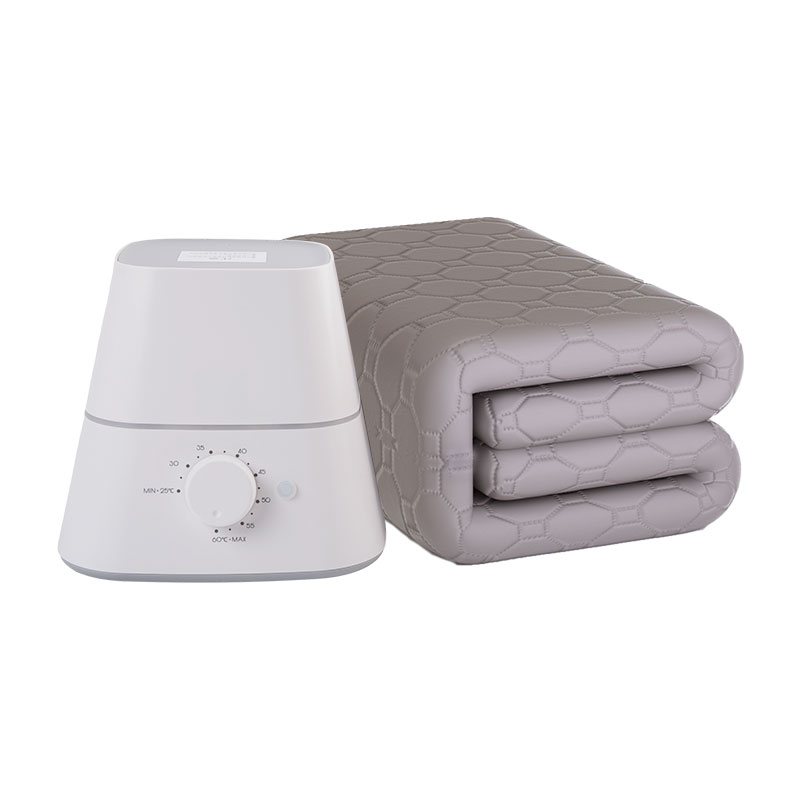
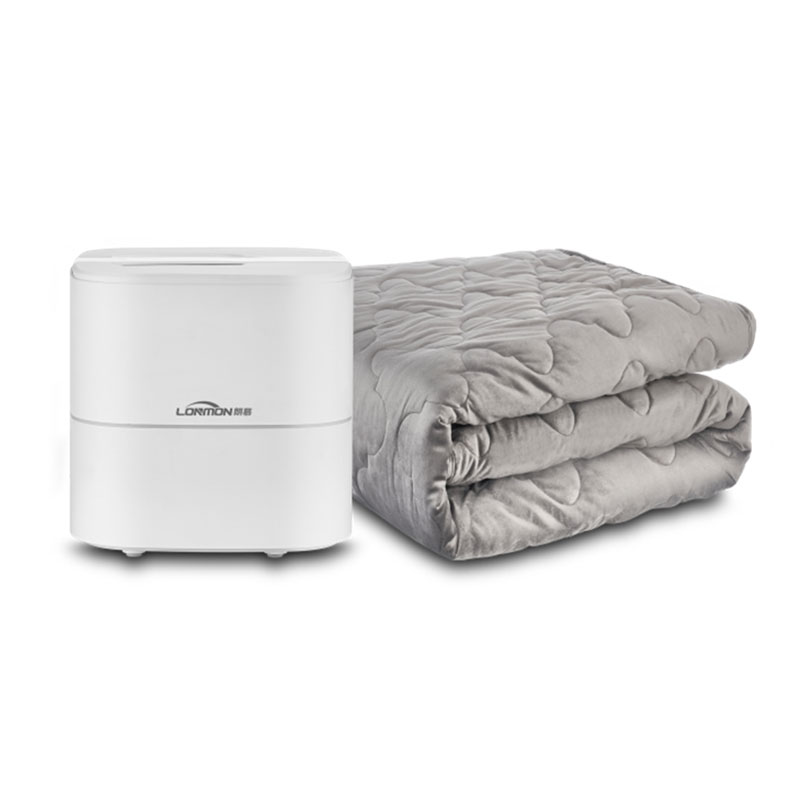
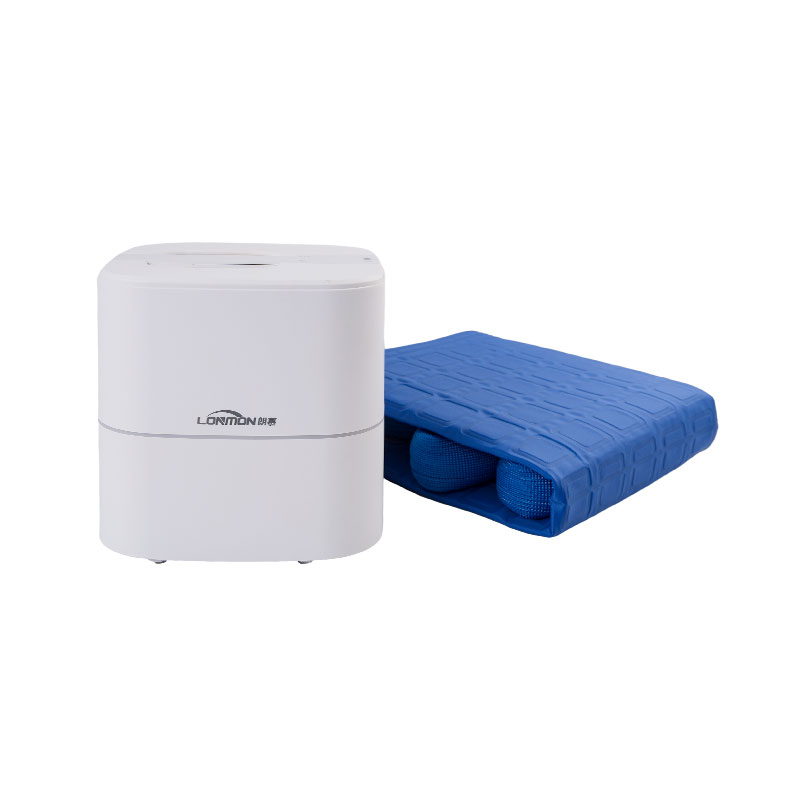
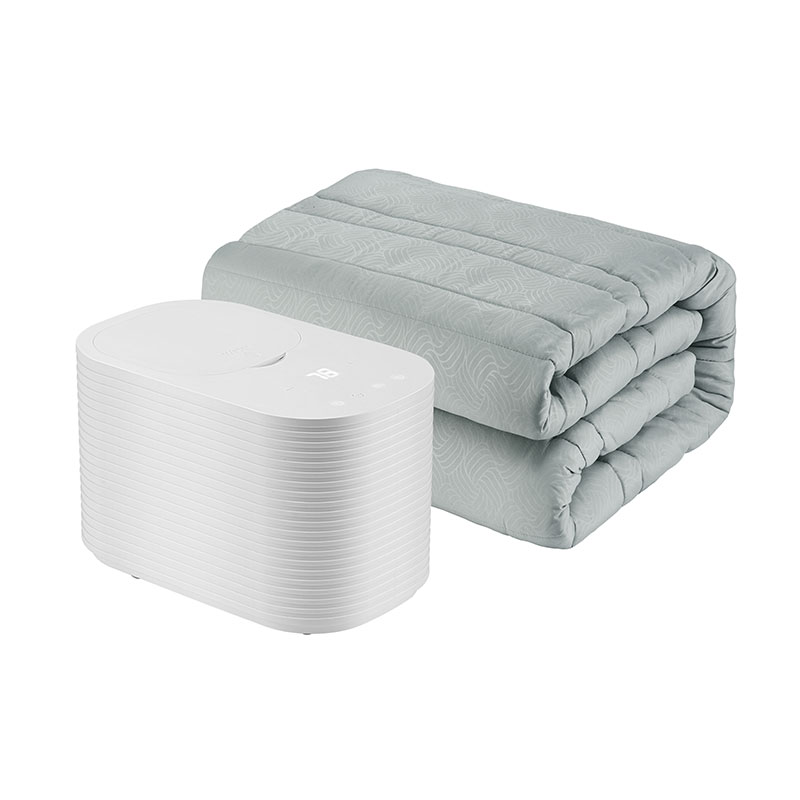
An electric water cooled mattress pad consists of a thin pad embedded with a network of micro-tubes or channels, connected via silicone hoses to a bedside control unit containing a small reservoir, a pump, and a thermoelectric or compressor-based cooling (and sometimes heating) element. Water is chilled or warmed to a set temperature and then continuously circulated through the pad beneath the sleeper.
Because water moves constantly through the pad, heat drawn from your body is transported away and actively dissipated by the control unit. The system maintains a stable temperature rather than simply moving air around. Most units allow temperature settings ranging from approximately 55°F to 115°F (13°C to 46°C), covering both cooling and heating needs across all seasons.
Air-Cooled Electric Mattress Pads
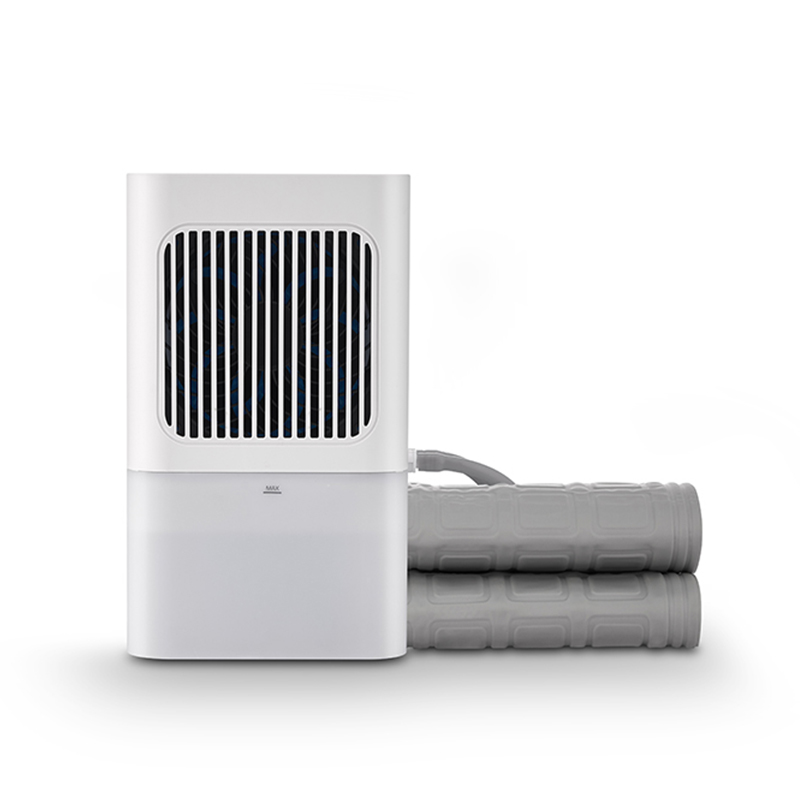
Air-cooled electric mattress pads work differently. A bedside unit pulls in room air, conditions it slightly, and forces it through a pad perforated with small holes or channels. The airflow creates a convective cooling effect at the sleep surface. Some systems also incorporate mild heating coils within the pad for warmth in cooler months.
The key limitation is that air-cooled pads can only cool the surface to a temperature close to the ambient room temperature. If your bedroom is 75°F, the pad cannot cool below that threshold — it can only facilitate heat transfer from your body to the surrounding air more efficiently. In contrast, water-cooled systems actively bring the pad's surface temperature below room temperature.
Direct Performance Comparison
The table below breaks down how these two electric mattress pad technologies compare across the factors that matter most to sleepers:
| Feature | Electric Water Cooled Mattress Pad | Air-Cooled Electric Mattress Pad |
|---|---|---|
| Cooling Method | Circulating chilled water | Forced airflow |
| Below-Room-Temp Cooling | Yes (down to ~55°F / 13°C) | No (limited to ambient temp) |
| Temperature Precision | High (±1–2°F) | Low to Moderate |
| Heating Capability | Yes (up to ~115°F / 46°C) | Limited or model-dependent |
| Noise Level | Low (30–45 dB, pump hum) | Moderate to High (45–60 dB, fan noise) |
| Energy Consumption | 50–120W (thermoelectric units) | 25–80W |
| Upfront Cost Range | $400 – $1,000+ (per side) | $150 – $500 |
| Dual-Zone Control | Available (two separate units) | Rarely available |
| Maintenance Required | Moderate (water refill, cleaning) | Low (filter cleaning) |
| Pad Profile / Feel | Slim, soft, slightly firmer | Thicker, perforated texture noticeable |
| Best Use Case | Hot sleepers, warm climates, year-round use | Budget buyers, mild climates, light sweating |
Cooling Depth: The Physics Behind the Performance Gap
The performance difference between water-cooled and air-cooled electric mattress pads is not a matter of engineering refinement — it is a matter of physics. Water has a specific heat capacity of 4,182 J/kg·°C, compared to air's 1,005 J/kg·°C. This means water can absorb and carry away roughly four times more heat per unit mass than air at the same temperature differential. Combined with water's vastly superior thermal conductivity, a water-based system transfers heat from your skin to the coolant dramatically faster than forced air can.
In practical terms, this means that when a hot sleeper lies on an electric water cooled mattress pad set to 68°F, the pad's surface remains close to that temperature throughout the night. An air-cooled pad in the same conditions might start by moving heat away effectively but will gradually allow surface temperature to climb as the airflow equilibrates with body heat, especially under a comforter where airflow is restricted.
A 2021 study in the journal Sleep Medicine Reviews found that lowering the skin temperature at the extremities and torso by just 0.5–1°C accelerated sleep onset by an average of 9 minutes and increased slow-wave (deep) sleep by approximately 15%. Water-cooled mattress pads can achieve this level of targeted thermal influence; most air-cooled systems cannot replicate it reliably.
Noise: A Deal-Breaker for Light Sleepers
Noise is one of the most commonly overlooked considerations when evaluating electric mattress pads. Air-cooled systems rely on fans, which are inherently louder than the quiet water pumps used in hydronic (water-based) systems.
- Air-cooled pads typically operate at 45–60 decibels, roughly equivalent to a quiet conversation or a running refrigerator. Some users find this level of background noise acceptable or even masking; light sleepers often find it disruptive, especially during quiet periods of the night.
- Electric water cooled mattress pads operate at 30–45 decibels, closer to a soft whisper or a quiet library. The sound is a low, consistent hum from the pump rather than the variable pitch of a fan.
For couples where one partner is a light sleeper, the noise profile of an air-cooled system can be a significant compatibility issue. Water-cooled units, particularly thermoelectric models (which do not use a compressor), are among the quietest active cooling solutions available for the bedroom.
Energy Efficiency: Comparing Running Costs Over Time
Both types of electric mattress pads consume significantly less energy than running air conditioning overnight, which is their primary competition in practical terms. A standard room air conditioner running 8 hours per night consumes approximately 800–2,400 Wh per night, depending on unit size and ambient temperature.
- A thermoelectric electric water cooled mattress pad uses approximately 50–80W, or 400–640 Wh per 8-hour night. At a US average electricity rate of $0.16/kWh, that translates to roughly $0.06–$0.10 per night, or $22–$37 per year.
- Compressor-based water cooled pads (which achieve more aggressive cooling) draw 80–120W, costing approximately $0.10–$0.15 per night, or $37–$55 per year.
- Air-cooled electric pads typically consume 25–80W, putting them at roughly $0.03–$0.10 per night — slightly less expensive to run but with materially less cooling performance delivered.
Over a 5-year ownership period, the operational cost difference between the two technologies amounts to roughly $50–$100 total — a small gap given the significant performance difference. Users who can reduce or eliminate overnight air conditioning use as a result of switching to a water cooled mattress pad often find that the system pays for itself in AC savings within 2–3 years.
Maintenance Realities for Each System
Electric Water Cooled Mattress Pad Maintenance
Water-cooled systems require more attentive care than air-cooled alternatives, primarily due to the water reservoir and tubing. Key maintenance tasks include:
- Water top-off: Most units require distilled water to be added every 2–4 weeks as some evaporates through the system over time. Using distilled water (rather than tap water) prevents mineral buildup in the tubes.
- Cleaning solution cycle: Manufacturers typically recommend running a diluted cleaning solution through the system every 3–6 months to prevent algae or bacterial growth in the reservoir and tubing.
- Pad washing: Most water cooled mattress pad covers are machine washable; the inner pad with tubing requires spot cleaning or hand washing and should never be placed in a dryer.
- Tube inspection: Periodic visual checks for kinking or connection wear help prevent leaks, though modern systems are engineered with robust quick-connect fittings that rarely fail.
Air-Cooled Electric Mattress Pad Maintenance
Air-cooled systems are considerably lower-maintenance. The primary tasks are:
- Filter cleaning: The air intake filter on the bedside unit should be cleaned every 2–4 weeks to prevent dust accumulation from reducing airflow efficiency.
- Pad cover washing: The outer cover is typically machine washable on a gentle cycle.
- Periodic unit cleaning: Vacuuming out dust from the fan housing every few months maintains performance.
For users who want a low-touch solution, air-cooled systems win on maintenance simplicity. However, the incremental effort of a water cooled system — perhaps 15–20 minutes per month total — is manageable for most people when weighed against the superior sleep quality results.
Who Benefits Most from an Electric Water Cooled Mattress Pad
While both product types serve the same fundamental purpose, certain sleep profiles and household situations align much more strongly with water-cooled technology:
- Chronic hot sleepers who consistently wake up sweating, regardless of room temperature, will find that the active below-ambient cooling of a water-based system is the only technology capable of consistently resolving the problem.
- People experiencing night sweats related to menopause, certain medications (beta-blockers, antidepressants, hormonal therapies), or hyperhidrosis benefit from the immediate, sustained cooling that water systems provide.
- Couples with different temperature preferences can deploy two separate water cooled units on a king or queen mattress, each controlling their half of the pad independently — a feature almost entirely absent from the air-cooled market.
- Memory foam mattress owners face particularly severe heat retention issues, as viscoelastic foam has extremely low breathability. A water cooled pad placed atop the mattress can completely counteract this structural heat trap.
- Users in warm climates where nighttime temperatures remain above 70°F even with windows open will find that air-cooled systems provide insufficient relief, while water-cooled pads maintain their performance regardless of ambient conditions.
When an Air-Cooled Electric Mattress Pad Makes More Sense
Air-cooled electric mattress pads are not an inferior product in every context — they are a better fit in specific situations:
- Mild-climate users who experience only occasional warmth and simply want improved airflow across the sleep surface will find air-cooled systems adequate and more cost-effective.
- Budget-constrained buyers who want active sleep cooling but cannot absorb the $400–$1,000+ cost of a water-based system can find capable air-cooled options in the $150–$300 range.
- Renters or frequent movers benefit from air-cooled systems' lighter weight, simpler setup, and lower replacement cost if the system must be left behind.
- Users who already sleep in a well-conditioned room (65–68°F) and only need modest surface airflow rather than active cooling may find air-cooled pads sufficient to close the comfort gap.
Key Features to Evaluate Before Buying an Electric Water Cooled Mattress Pad
Not all water cooled electric mattress pads perform equally. When evaluating specific models, prioritize these features:
- Cooling technology type: Thermoelectric (Peltier) units are quieter and cheaper but have a ceiling cooling capacity. Compressor-based units achieve colder temperatures (down to 55°F) and work better in hot climates but cost more and produce slightly more noise.
- Temperature range: Confirm both the minimum cooling and maximum heating temperatures match your climate needs. A unit with a minimum of 65°F will not satisfy a severe hot sleeper in summer.
- Pump noise rating: Look for units rated below 40 dB for a genuinely quiet sleep environment. Some manufacturers publish noise specifications; if not, user reviews are the most reliable source.
- Hose length and unit placement: Control units are typically placed on the floor beside the bed. Ensure the hoses are long enough for your bed frame height and layout without tight bends that restrict flow.
- Pad material and tube distribution: Look for pads with evenly distributed micro-tube networks (not just perimeter coverage) and soft outer fabric — cotton or Tencel blend tops sleep cooler and feel better against skin than polyester.
- Warranty and replacement parts: Given the $400–$1,000+ investment, look for a minimum 2-year warranty on both the control unit and the pad, with manufacturer support for replacement tubes or fittings.
- App or timer functionality: Scheduling the unit to pre-cool the bed 30 minutes before sleep dramatically improves the experience. Some models also offer automatic temperature adjustments through the night based on time-of-night programming.
Real-World Sleep Impact: What the Research Supports
The science connecting sleep surface temperature to sleep quality is well-established. A study published in PLOS ONE found that warming the hands and feet (which facilitates core body cooling) reduced sleep onset latency by up to 50% in older adults with insomnia. Conversely, studies of active bed cooling systems have demonstrated measurable improvements in REM sleep duration and subjective sleep quality scores.
Practical reports from users of electric water cooled mattress pads consistently highlight several tangible improvements:
- Falling asleep faster, particularly during summer months or in warm geographic regions
- Waking up less frequently during the night due to overheating
- Significant reduction or elimination of night sweats in perimenopausal users
- The ability to use heavier, more comfortable bedding (weighted blankets, thick duvets) without overheating, since the pad compensates for the insulation
- Reduced dependence on air conditioning overnight, with some users reporting $30–$80 per month in cooling cost savings during summer
The Verdict: Matching Technology to Your Sleep Problem
For anyone who genuinely struggles with sleeping hot — waking in the night, sweating through sheets, or lying awake waiting for the bed to feel cooler — an electric water cooled mattress pad is the most effective and scientifically supported intervention available short of replacing your mattress or overhauling your HVAC system. Its ability to actively bring the sleep surface below room temperature, sustain that temperature precisely through the night, and do so quietly makes it a category-defining product for hot sleepers.
Air-cooled electric mattress pads fill a real need at a lower price point and with simpler upkeep. But their physical limitation — the inability to cool below ambient room temperature — means that in the conditions where sleep temperature problems are most severe, they will consistently underdeliver compared to their water-cooled counterparts.
The upfront cost of a quality water cooled mattress pad system reflects genuine engineering: active refrigeration or thermoelectric cooling, circulation pumps, precision temperature sensing, and medical-grade tubing networks. For people whose sleep has been chronically disrupted by heat, that investment in recovery and daily performance typically proves well worth the cost within the first season of use.