英语
英语 中文简体
中文简体Why Your Old Electric Blanket May Not Be Enough
If you are shopping for a smart water heated blanket, the chances are that a conventional electric blanket has let you down at some point. That is not surprising. Traditional electric blankets rely on resistive heating wires running through the fabric. Those wires produce heat, but they also come with side effects that become more noticeable as the blanket ages: a dry, stuffy warmth that leaves you dehydrated in the morning; uneven temperatures where some spots feel scorching while others stay cool; and a gradual loss of heat output as the wires weaken and bend over time.
There is also a subtler concern. Because the heating elements are electrical conductors running the full length of the blanket, anyone who prefers to minimize electromagnetic field exposure often feels uneasy sleeping on top of energized wiring. The result is that many households tolerate discomfort rather than replace their blanket, or they simply turn the heat down and remain cold.
A smart water heated blanket addresses those pain points by replacing wires with water. It is not a minor design tweak; it is a fundamentally different way of delivering warmth, and it is worth understanding before you decide what to buy.
What Is a Smart Water Heated Blanket and How Does It Work?
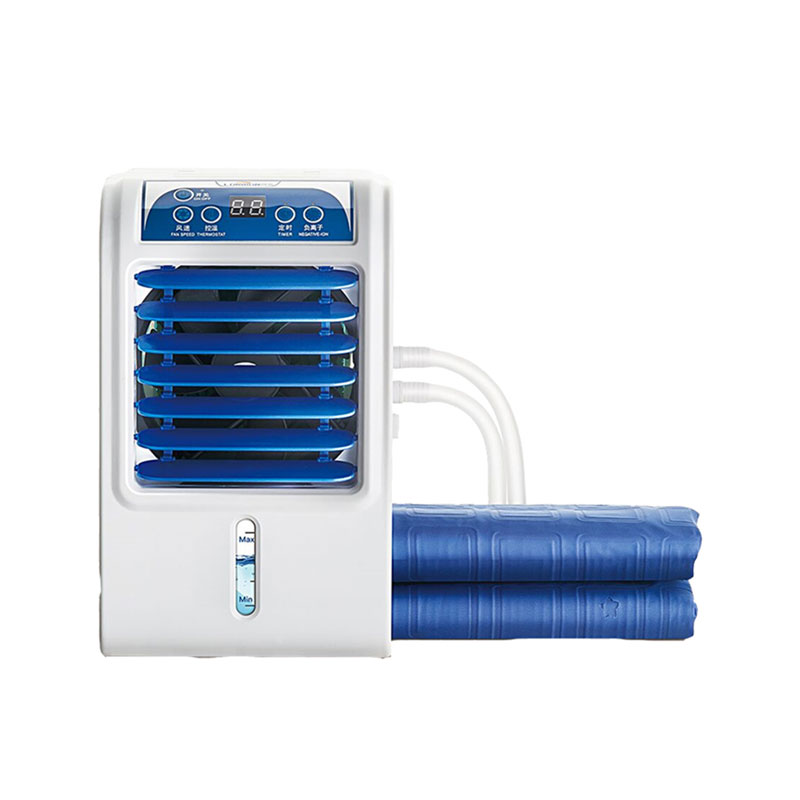
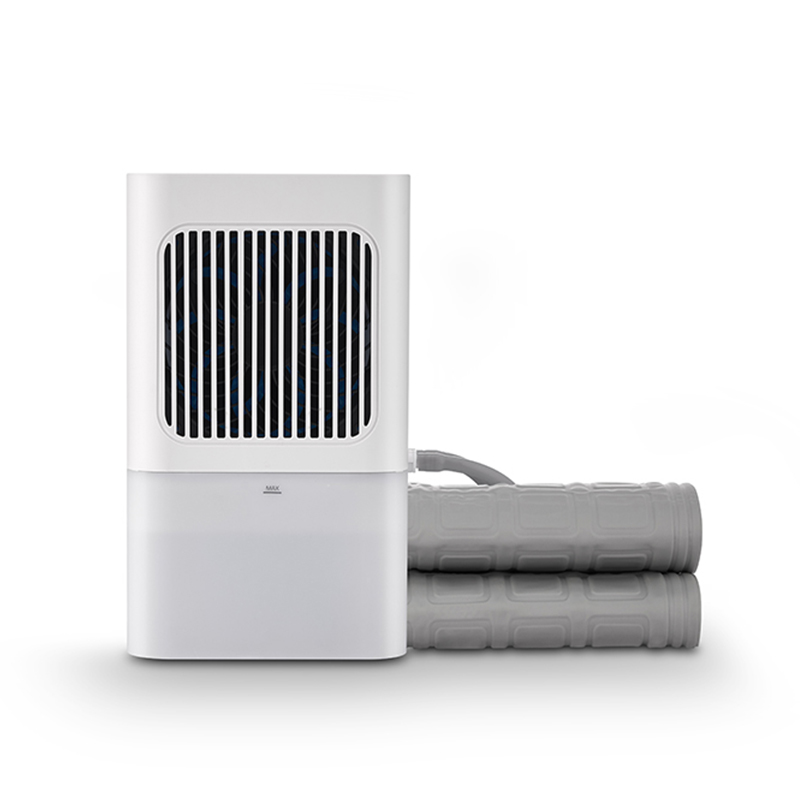
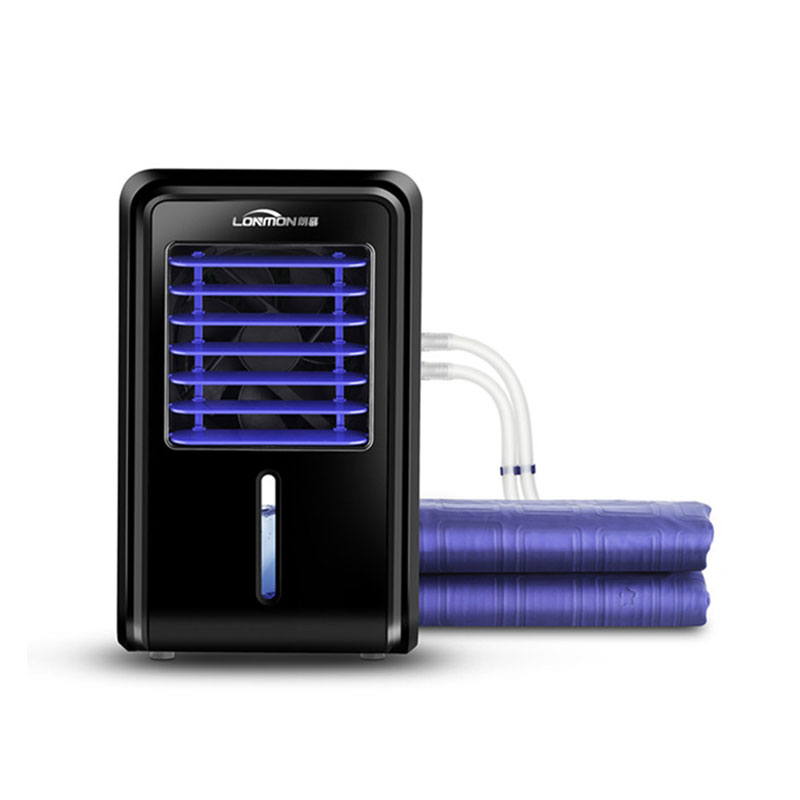
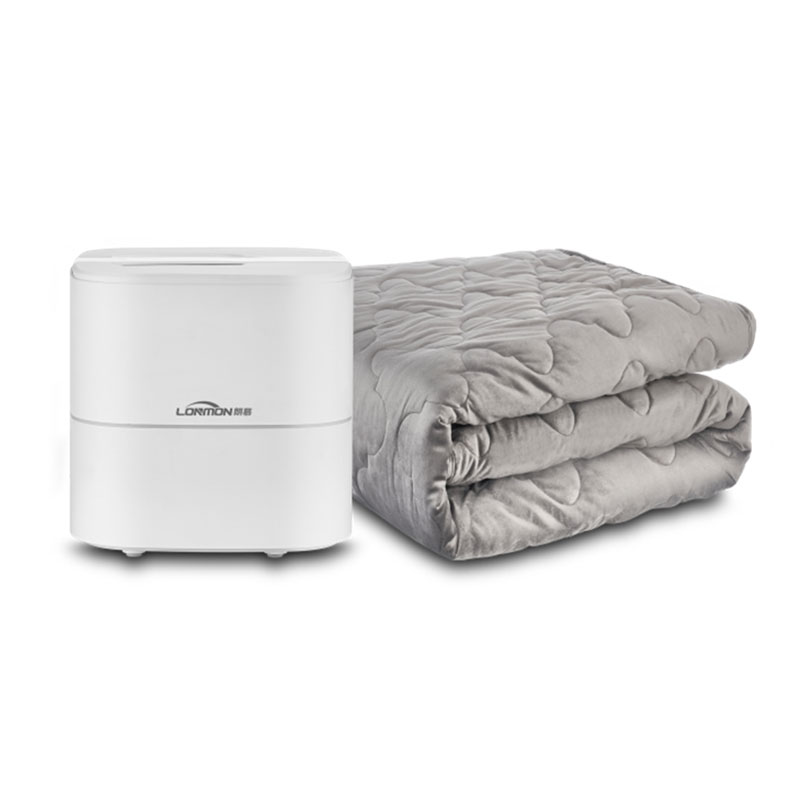
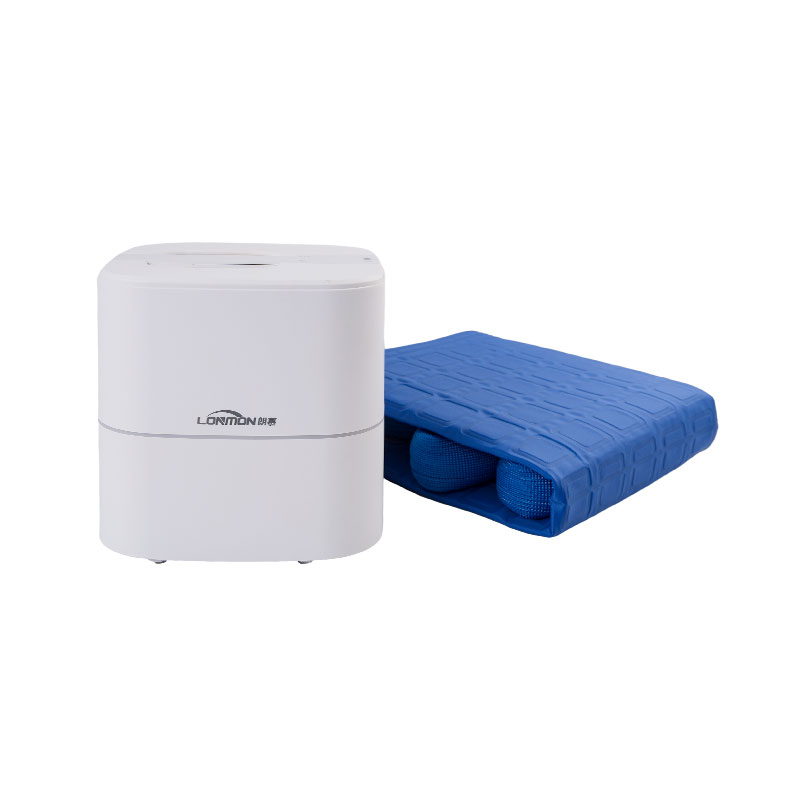
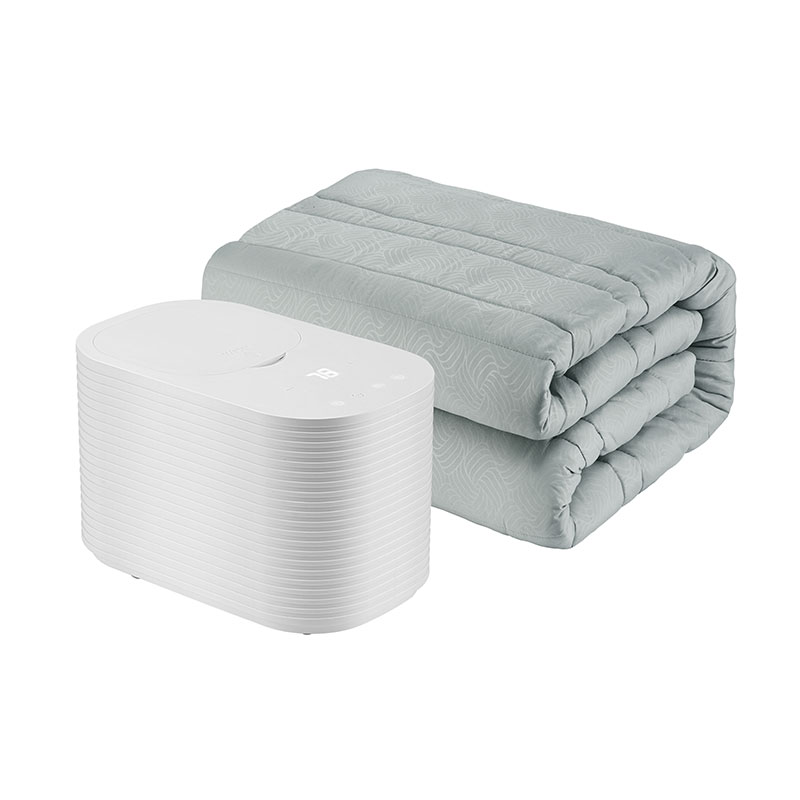
At its core, a smart water heated blanket is a closed-loop heating system. A small host unit sits beside your bed, heats water inside it, and uses a pump to push that warm water through a network of soft tubes woven into the blanket. As the water circulates, the heat radiates evenly across the entire surface. The water then returns to the host unit, gets reheated, and repeats the cycle.
This design means the blanket itself contains no electrical heating elements. No wires, no high-voltage components, nothing that can overheat locally or develop a hot-wire failure. The only thing running through the fabric is warm water held at a comfortably controlled temperature. It is the same principle behind radiant floor heating, scaled down for a bed.
Within the industry, this approach has gained recognition for comfort and efficiency. One well-known award-winning water heated blanket, for example, notes that a single fill of water can last approximately two months before a refill is needed. That figure is an industry reference from that product, not a commitment from any specific model on this site, but it gives you a sense of how rarely users need to interact with the unit in normal winter use.
The product philosophy on this site follows the same thinking. Models are designed around the idea that gentle, evenly distributed warmth is safer and more comfortable than concentrated wire heat. Instead of sleeping on heating elements, you sleep on a water layer that naturally conforms to your body and holds a steady temperature.
Water Circulation vs. Heating Wires: The Core Difference
Think of the difference this way: a wire-based electric blanket is like a space heater sitting in one corner of a room. It heats whatever is closest to it intensely, while the far side stays chilly. A water circulation system is like radiant floor heating — the heat source is spread across the entire surface, so every section of the bed reaches a similar temperature. Water has a high heat capacity, which means it absorbs and releases heat slowly and steadily. That produces the lingering, even warmth that users describe as moist rather than dry.
There is also a practical durability benefit. Water tubes do not bend, weaken, or break the way metal wires can after repeated folding, rolling, and washing. As a result, water heated blankets tend to maintain consistent performance for a longer period, which matters when you are comparing a mid-range purchase with something you may keep for several winters.
What Does "Smart" Mean in a Water Heated Blanket?
"Smart" is an overused marketing term, so it helps to pin down what it actually means in this category. In a water heated blanket, intelligence generally shows up in three areas: temperature precision, preset modes, and convenience of control. Not every model delivers the same level of smart functionality, and that distinction matters at the point of sale.
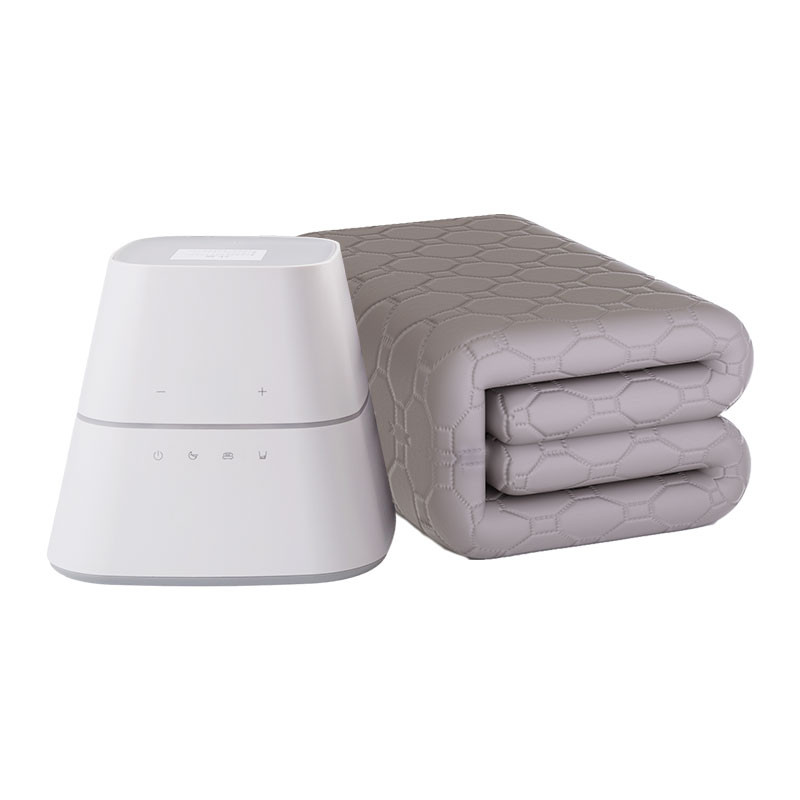
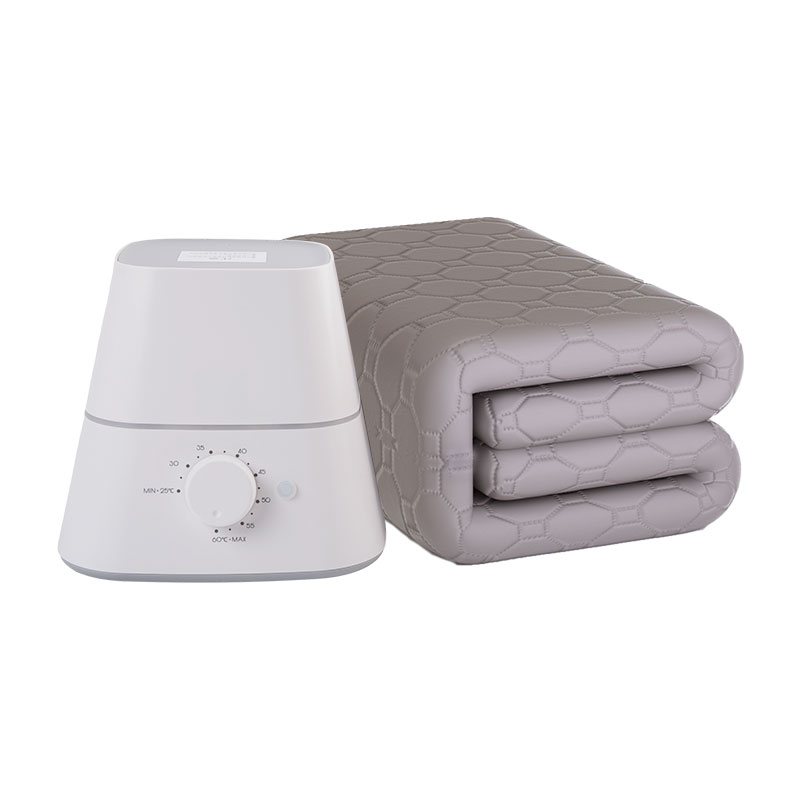
Within the current product range on this site, you can see a clear gradient of control options. Knob-controlled models offer straightforward mechanical temperature adjustment. Remote-controlled models add the ability to change the temperature from the comfort of your bed without reaching for a dial. At the top of the range, intelligent constant-temperature models use a smart control system to maintain a steady temperature automatically throughout the night.
The broader industry is moving in the same direction. Several competing products now include mobile app connectivity, allowing users to turn on the blanket remotely, preheat the bed before arriving home, and schedule different temperatures for different stages of sleep. That is worth knowing as a market trend, because it shows that "smart" in this category is not a gimmick. It is a set of tools that reduces the amount of manual adjustment you have to do. If you want a deeper look at what separates smart water heating from conventional electric alternatives, the site's industry article on what are the advantages of smart water heating blankets walks through the practical benefits in detail.
Temperature Control and Constant Temperature Technology
Constant temperature control is the feature that most directly affects your sleep quality. Without it, a heated blanket warms up, overshoots, cools down, and repeats that cycle all night — leaving you to wake up feeling too hot or too cold.
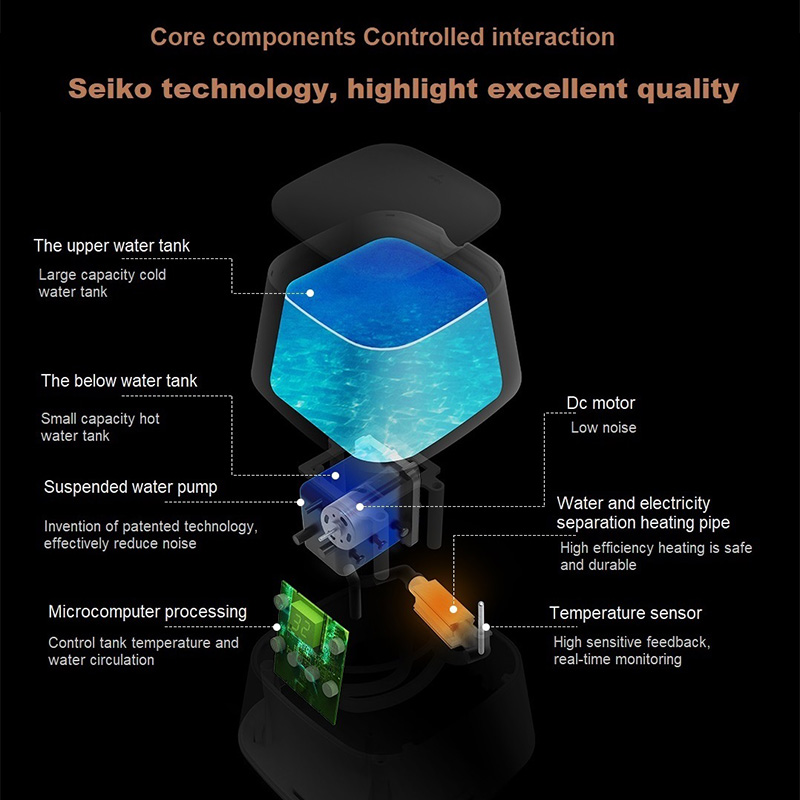
A smart water heated blanket solves this by placing the temperature sensor in the host unit, where it monitors the water temperature in real time and adjusts the heating element accordingly. When the water reaches the target temperature, the system holds it there rather than continuing to heat. When the water cools slightly, the system tops up the heat. The result is a stable thermal environment across the entire blanket surface.
For the user, this translates into a simple experience: you set the level you want, and the blanket holds that level hour after hour. The intelligent constant-temperature water heated mattress pad is the model on this site that reflects this capability most clearly, making it a natural starting point if stable all-night temperature is your priority.
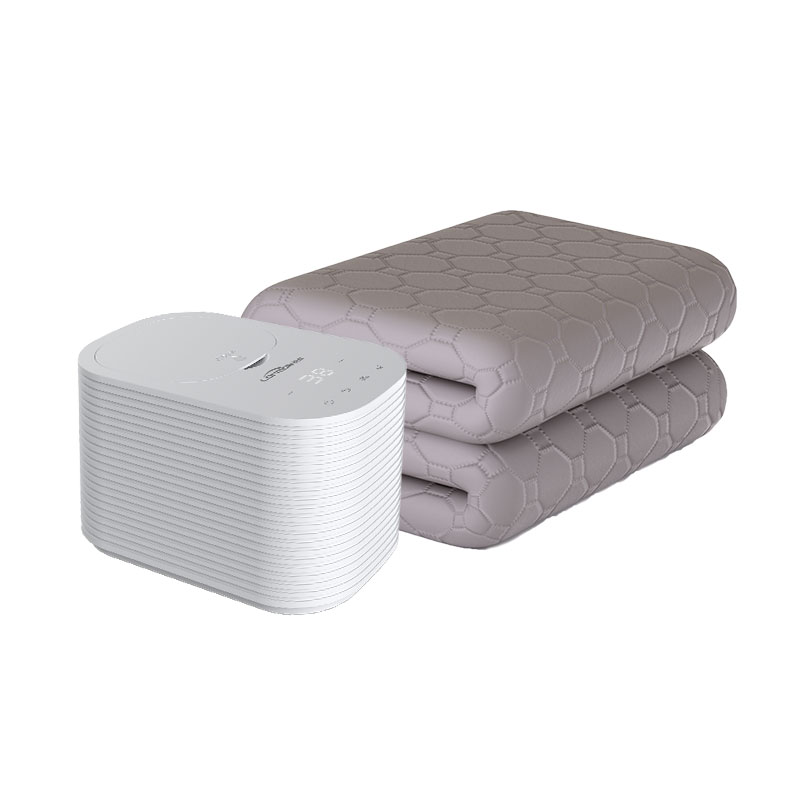 Intelligent Constant Temperature Water Heated Mattress Pad SuppliersLonmon Electrical Technology is China intelligent constant temperature water heated mattress pad suppliers and manufacturers, custom cons...View Product →
Preheat, Timers, and Remote Control Options
The second cluster of smart features revolves around timing and convenience. Preheat lets you set the unit to warm the bed 20 or 30 minutes before you go to sleep, so you step into a warm bed instead of waiting under cold sheets. Timers allow the system to reduce temperature or switch off after you are asleep, which supports energy savings and prevents the room from feeling stifling overnight. Remote control, whether through a physical remote or a smartphone interface in the wider market, removes the need to get out of bed to make adjustments.
These features solve the two most common complaints about older blankets: slow warm-up and uncomfortable overnight temperature swings. When you evaluate a model, think about which control method matches how you actually use the blanket. If couples in the same bed prefer different warmth levels, a remote or constant-temperature model gives both people more flexibility than a single knob.
Is a Smart Water Heated Blanket Safe? Addressing the Big Concerns
The most common question about water heated blankets is also the most reasonable one: "You put water and electricity together — is that safe?"
The short answer is that the design deliberately separates water from electricity. The heating element lives inside the sealed host unit, not in the blanket. The blanket body contains only the water circulation tubes. This is the opposite of an electric blanket, where energized wires run through the entire surface and sit in direct contact with your body. By moving the heating element outside the bedding, the water circulation approach eliminates the risk of a wire overheating against your skin, and it also removes the dry-burn hazard you would face if a traditional blanket was left on while nobody was in bed.
Waterless dry-burn protection is another layer worth understanding. In a system without water, the heating element would continue to heat and could become dangerously hot. Smart water heated blankets include sensors that detect when water is not circulating correctly and cut power automatically. Combined with the constant temperature control described earlier, this means the system does not allow the temperature to climb indefinitely.
Overheat Protection and Leak-Proof Design
Beyond the electronics, the physical construction of a quality water heated blanket is designed for household accidents. The tube network uses multi-layer sealing to prevent leaks at joints, and the host unit has a water-level sensor that shuts the system down if the water level falls too low. If a tube were ever damaged, the small volume of water stays contained and the pump stops.
Overheat protection is now a standard expectation in this category. On this site, the pet-specific water heating pad combines a durable heating surface with automatic temperature cut-off, and the same protective logic extends across the human-use models: the host unit monitors water temperature, and if anything exceeds a safe threshold, the system responds before the user notices any discomfort.
For overnight use, the design logic is actually favorable. Because the temperature is regulated by water rather than by a wire that could short-circuit, the risk of a fire hazard is fundamentally lower. That is why water heated blankets are commonly positioned as suitable for all-night, unattended operation — though you should always check the specific product's instructions for recommended usage patterns.
Who Benefits Most from a Smart Water Heated Blanket?
A smart water heated blanket is not a one-size-fits-all purchase. The right model depends heavily on who will be using it and in what environment. Here is how the key user groups break down.
For Elderly, Children, and Pregnant Women
Older adults, young children, and pregnant women share a common need: gentle, stable warmth without extreme temperature swings or unnecessary exposure to electrical fields. Because a water heated blanket has no heating wires in the bedding, it does not generate the high-frequency electromagnetic field that comes from energized resistance elements. That is a meaningful difference for families who prefer to minimize EMF exposure during sleep.
Constant temperature control is especially valuable for elderly users, whose body temperature regulation is less responsive. A bed that holds a consistent temperature reduces the risk of waking up chilled or overheating, both of which disrupt sleep quality. The N1912 model on this site was designed around these needs as a water heated mattress for elderly, children, and pregnant women. It pairs gentle heating with simple controls, which is useful for older users who do not want to navigate complex interfaces.
 Custom Intelligent Water Heated Mattress Suppliers, ManufacturersNingbo Lonmon Electrical Technology Co., Ltd. is China intelligent water heated mattress suppliers and manufacturers, we custom N1912 int...View Product →
If you are reading this because the cold aggravates discomfort while you are trying to sleep, the site's article on how water heating mattress pads help with cold-related discomfort while sleeping explores that application in more depth. It does not make any medical claims, but the steady, body-wrapping warmth of a water heated layer is a well-documented reason people choose this category.
For Pet Owners
Pets have different requirements. A cat or small dog will lie directly on the pad for hours, so the surface material needs to be durable, and the heating system needs to be forgiving of claws, biting, and occasional accidents. Overheat protection becomes even more critical because a pet cannot tell you it is too hot and may not move away quickly.
The intelligent pet water heating pad with overheat protection on this site addresses these points with a reinforced structure and automatic temperature cut-off. If you have a pet that tends to chew, the pad is also easier to monitor than a wire-based alternative, since a bitten water tube is far less hazardous than a bitten electrical cord.
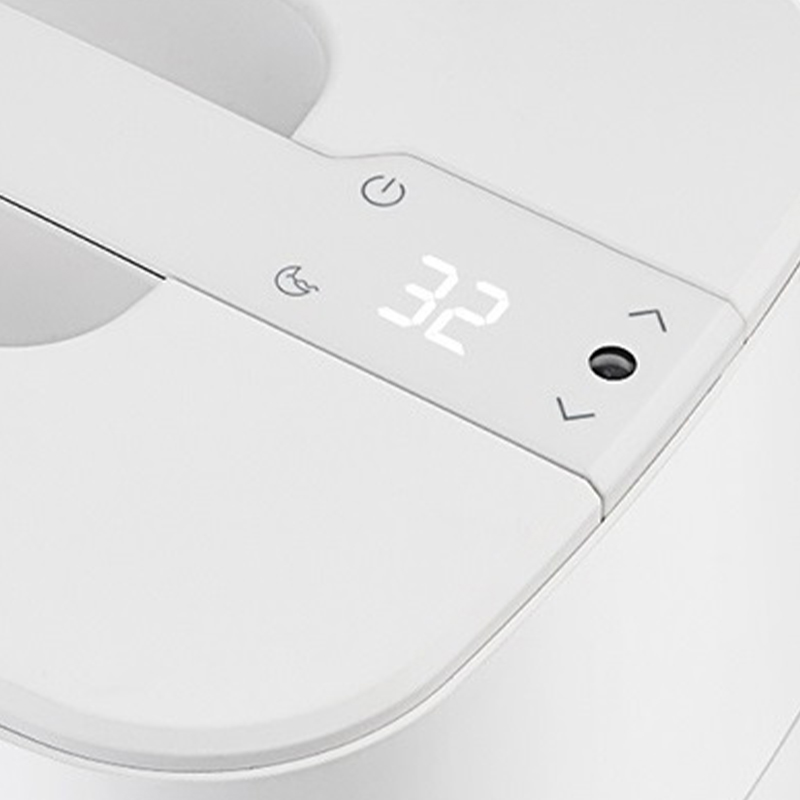 OEM/ODM Intelligent Pet Water Heating Pad Suppliers, ManufacturersAs China intelligent pet water heating pads suppliers and manufacturers, Ningbo Lonmon Electrical Technology Co., Ltd. offer OEM/ODM inte...View Product →
What to Look for When Buying: A Practical Checklist
When you compare smart water heated blankets, keep the following six criteria in mind. They cover the dimensions that most affect long-term satisfaction.
| Criterion | Why It Matters | What to Check |
|---|---|---|
| Temperature range | Determines whether the blanket suits warm and cold sleepers sharing a bed. | Look for multiple adjustable levels that cover your preferred sleep temperature. |
| Control method | Affects daily ease of use, especially for elderly users or pet owners. | Choose between knob, remote, or constant-temperature control based on who adjusts it most often. |
| Safety features | Protects against overheating, water leakage, and dry-burn conditions. | Confirm the model includes overheat protection and automatic shut-off. |
| Refill frequency | Influences how much maintenance the unit requires over a winter. | Industry references suggest intervals of roughly two months per fill; verify with the specific product manual. |
| Noise level | The circulation pump runs all night, so quiet operation matters for light sleepers. | Look for low-noise pump descriptions and read owner feedback about audible hum. |
| Material and cleaning | Affects hygiene and how long the blanket stays pleasant to use. | Check whether the cover is removable, washable, and made from skin-friendly fabric. |
A few extra considerations: if you plan to use the blanket every night for months, invest in a model with reliable temperature control rather than a basic knob. If the blanket is for a shared bed, look for even heat distribution across the full surface. And if you want the lowest possible maintenance, pay attention to the host unit's refill port design — a larger reservoir or a self-sealing port reduces the friction of regular upkeep.
The site's broader temperature-management family, which also includes energy-efficient water-cooled products, follows the same philosophy of using water as a gentle, controllable medium. That consistency is worth remembering as you compare products within the same product line.
Conclusion: Is a Smart Water Heated Blanket Worth It?
Here is the short version of the case. Compared with a traditional electric blanket, a smart water heated blanket offers three concrete advantages: more even and comfortable warmth because water distributes heat uniformly; a safer design because the blanket itself contains no electrical heating elements; and smarter control through constant temperature regulation, preheat, and timing features that reduce nightly adjustments.
The trade-offs are also real. Water heated blankets cost more upfront, require occasional water refills, and include a host unit that occupies space near the bed. For many households, those trade-offs are acceptable — especially for elderly users, families with young children or pregnant women, and pet owners who want dependable warmth with less dry heat and fewer safety concerns.
If your priority is stable all-night temperature, focus on constant-temperature models. If you are buying for a vulnerable family member, look for a design that prioritizes gentle heat and simple controls. And if you are shopping for a pet, emphasize durability and overheat protection. Whichever path you choose, you are moving away from wire heat toward a smarter, more comfortable way to stay warm in winter.