英语
英语 中文简体
中文简体Introduction to Water-Cooled Mattresses
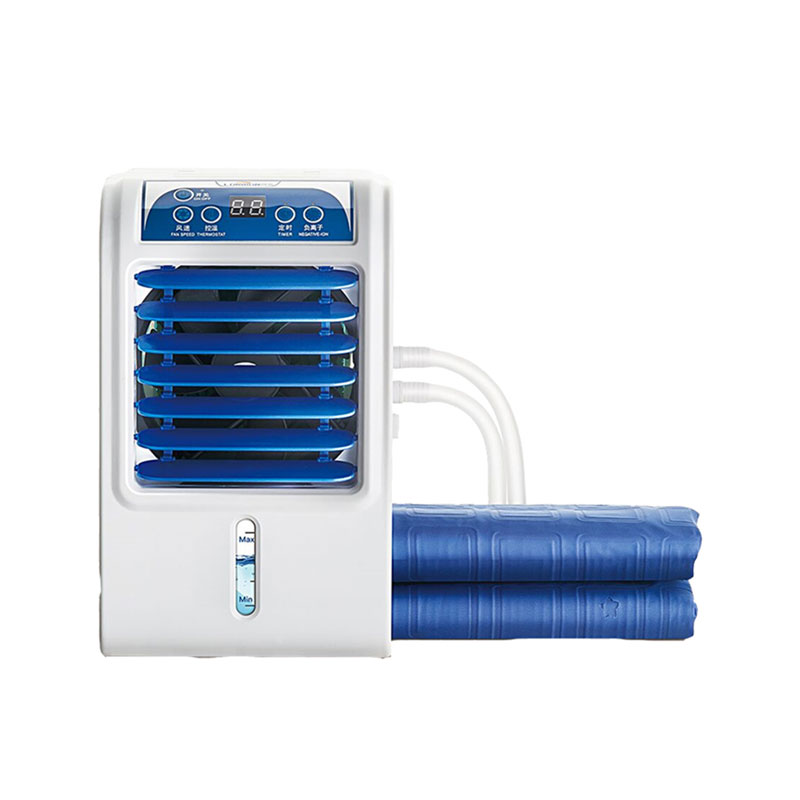
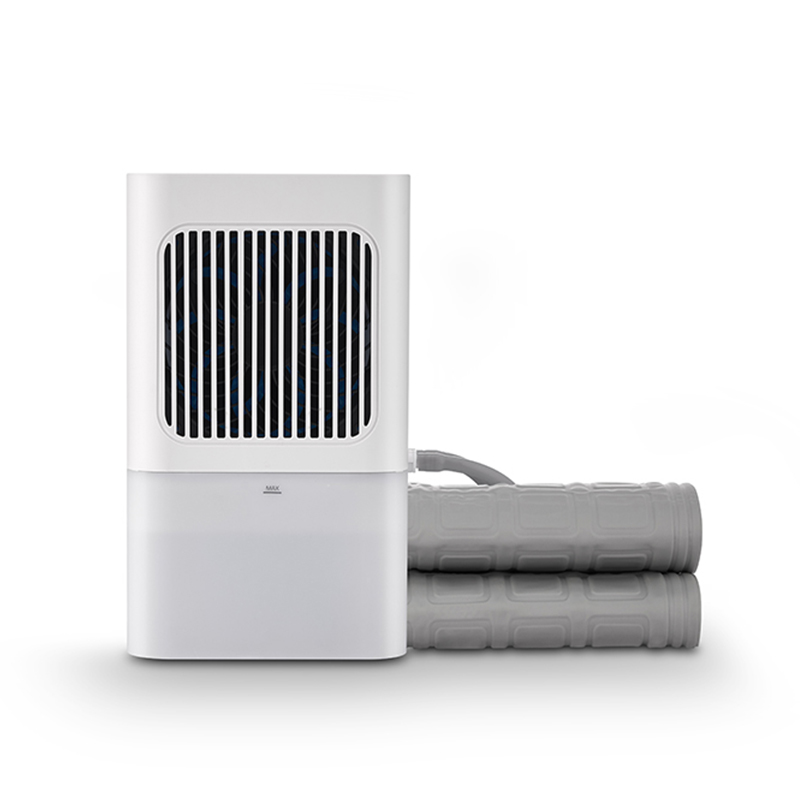
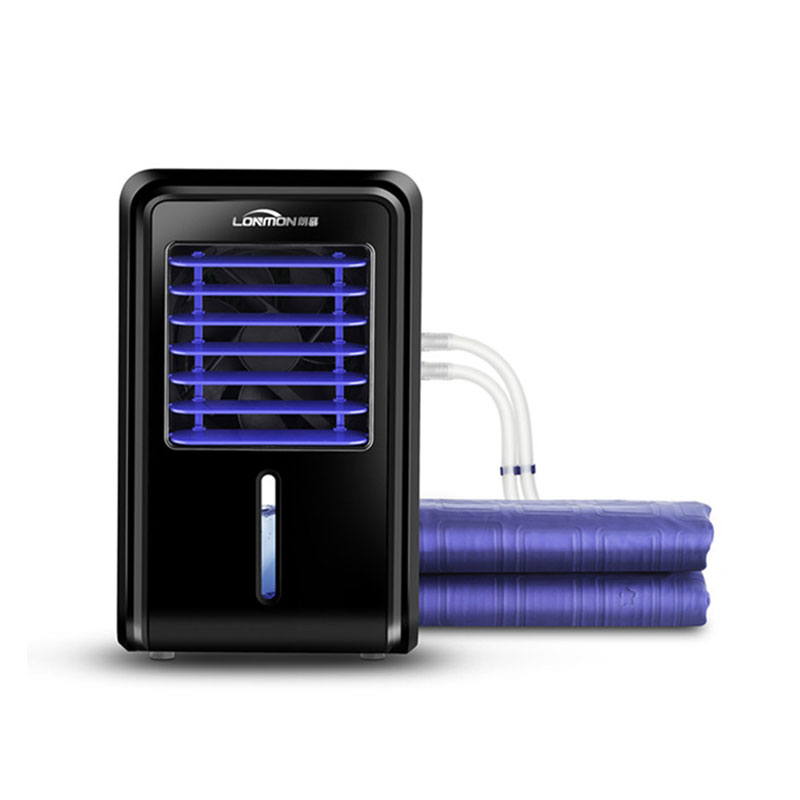
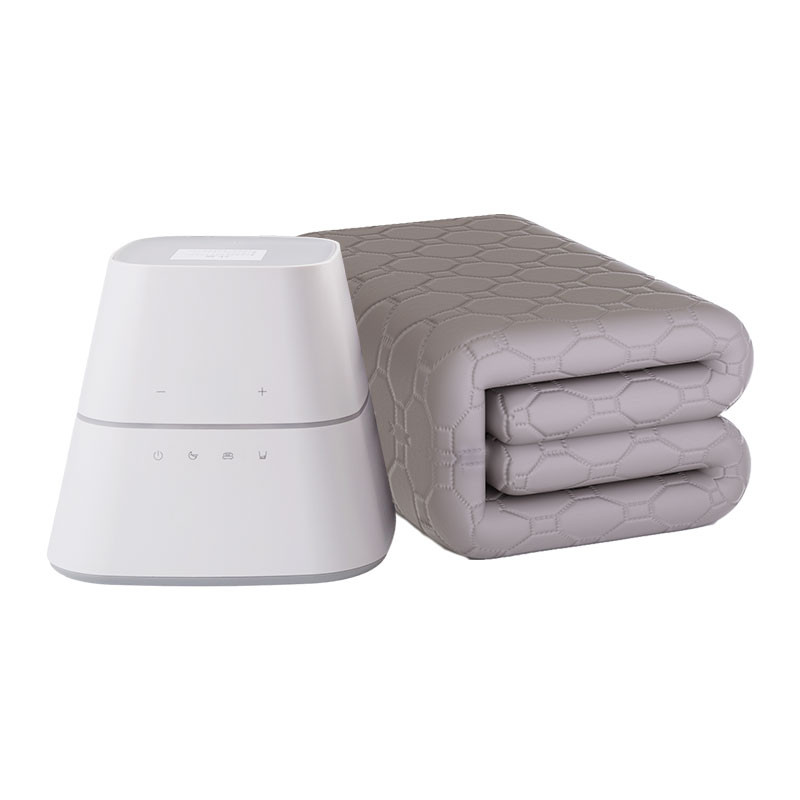
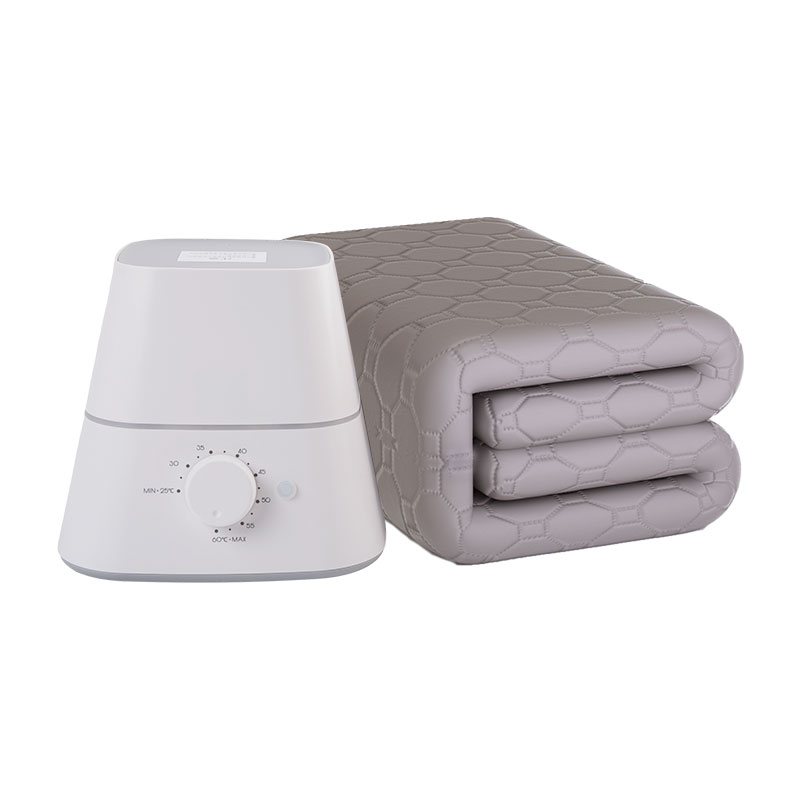
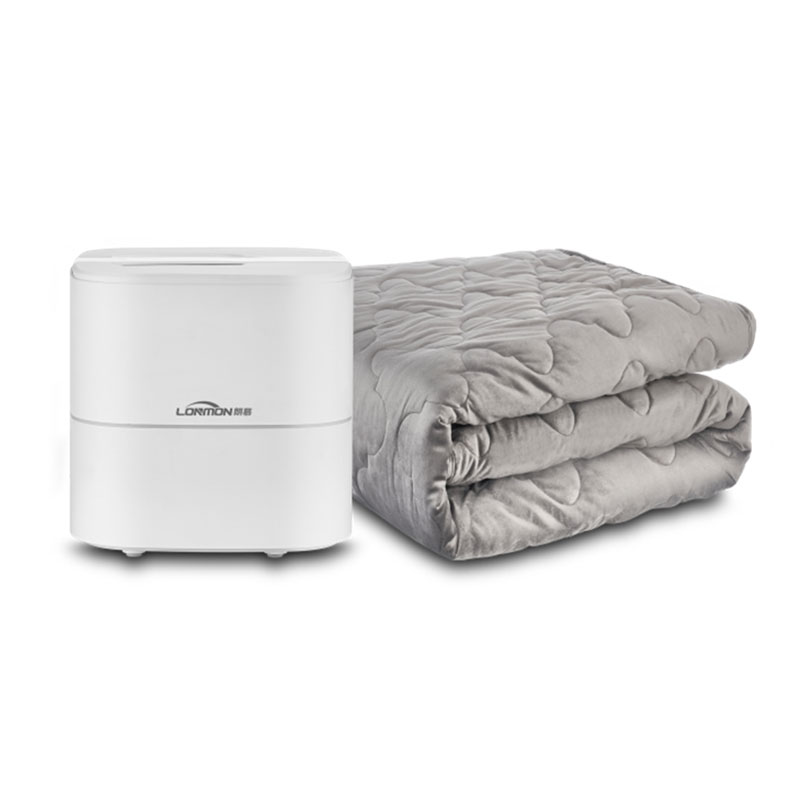
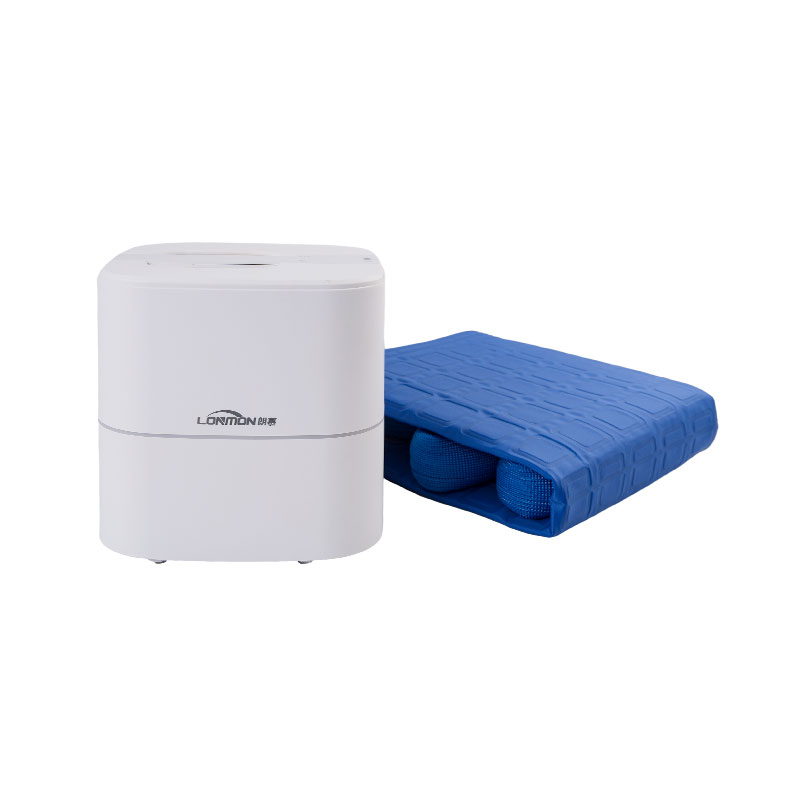
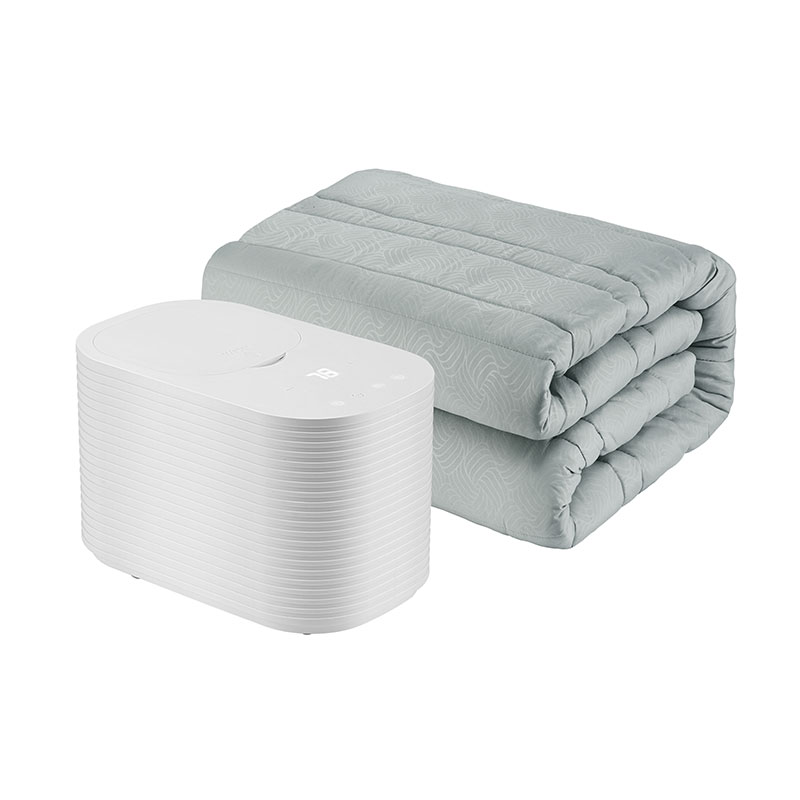
Water-cooled mattresses are a relatively recent innovation in sleep technology that offer a unique approach to temperature regulation during sleep. These mattresses incorporate water channels or chambers that cool the surface of the mattress, creating a more comfortable sleeping environment. The cooling effect is achieved by circulating cool water through these channels, which helps maintain an optimal body temperature throughout the night. As the demand for energy-efficient solutions grows, water-cooled mattresses have become an attractive option for those seeking more sustainable and effective ways to improve sleep quality.
Energy Consumption in Water-Cooled Mattresses
The energy efficiency of a water-cooled mattress is primarily influenced by how the system operates and the amount of energy required to keep the water at the desired temperature. Unlike traditional air conditioning or fans, which consume electricity to cool the air, a water-cooled mattress uses a relatively small amount of energy to circulate water through the system. The water in the mattress typically stays cool for long periods, reducing the need for continuous energy use. However, the actual energy consumption can vary depending on factors such as the temperature of the water, the insulation of the mattress, and the external environment.
Comparison with Traditional Cooling Methods
Traditional cooling methods, such as air conditioning, can be highly energy-intensive, especially when used continuously throughout the night. Air conditioners consume significant amounts of electricity to lower the temperature of a room, and they often cool the air indiscriminately, affecting not only the area near the bed but also other parts of the room. Water-cooled mattresses, on the other hand, focus cooling efforts directly on the sleeping surface, providing targeted temperature regulation with less energy consumption. This makes water-cooled mattresses a more efficient option when compared to traditional cooling methods, as they eliminate the need for large-scale air cooling systems.
Factors Influencing Energy Efficiency
Several factors can influence the energy efficiency of a water-cooled mattress system. One of the primary factors is the ambient temperature of the room. In warmer environments, the system may need to work harder to keep the water at the desired cooling level, leading to higher energy consumption. On the other hand, in cooler environments, the system can operate with less energy, as the difference between the room temperature and the mattress temperature is smaller. Another important factor is the insulation of the mattress and its surrounding environment. Mattresses with better insulation will require less energy to maintain the desired temperature, as they minimize heat loss. The efficiency of the cooling unit also plays a role; some units are designed to be more energy-efficient than others, offering lower power consumption for the same level of cooling.
Benefits of Water-Cooled Mattresses in Terms of Energy Efficiency
Water-cooled mattresses offer several benefits when it comes to energy efficiency. One of the most notable advantages is their ability to provide a cooling effect with relatively low power consumption. Unlike air conditioners or fans, which need to operate continuously, water-cooled mattresses can maintain a cool temperature throughout the night without requiring excessive energy. The water used in the system retains its temperature for longer periods, allowing the system to work less frequently and consume less power overall. Additionally, because the mattress only cools the area in direct contact with the sleeper, there is no need to cool the entire room, further reducing energy consumption.
Energy-Efficiency in Comparison to Other Sleep Technologies
In comparison to other sleep technologies, such as memory foam or hybrid mattresses with built-in cooling layers, water-cooled mattresses tend to be more energy-efficient. Memory foam mattresses, for example, can trap heat, causing discomfort for some sleepers. While there are hybrid mattresses with cooling technologies built into them, these systems often rely on air or gel-based cooling, which can still require external power sources to operate. Water-cooled mattresses, however, work more efficiently by utilizing the natural properties of water to regulate temperature with minimal energy use. This makes them a more sustainable and energy-conscious choice for people looking to improve their sleep environment without increasing their carbon footprint.
Environmental Impact of Water-Cooled Mattresses
When considering energy efficiency, it is also important to take into account the environmental impact of water-cooled mattresses. Because they require less electricity compared to air conditioning or traditional cooling methods, they have a lower carbon footprint. By reducing the need for large-scale air cooling systems, water-cooled mattresses help minimize energy consumption, contributing to a more sustainable living environment. Furthermore, many manufacturers of water-cooled mattresses are focusing on eco-friendly materials and production methods, further reducing their environmental impact. For example, some systems are designed to use recyclable materials and low-energy pumps, enhancing the overall sustainability of the product.
Potential Drawbacks to Energy Efficiency
While water-cooled mattresses offer several advantages in terms of energy efficiency, there are also potential drawbacks to consider. One concern is the need for an external power source to operate the cooling system. Although the energy consumption is relatively low compared to traditional cooling methods, it still requires electricity to run the pump and circulate the water. In the case of a power outage or during periods of low energy availability, the system may become ineffective. Additionally, the initial cost of purchasing a water-cooled mattress and the cooling unit can be higher than traditional mattresses, which could be a consideration for some buyers. Despite these drawbacks, many people find that the long-term savings in energy costs make water-cooled mattresses a worthwhile investment.
Energy Efficiency of Water-Cooled Mattresses
Water-cooled mattresses are a highly efficient and effective solution for maintaining a comfortable sleeping temperature. They offer energy savings by cooling the specific sleeping area rather than the entire room, reducing the need for high-energy systems like air conditioning. The system operates with relatively low power consumption, and many models are designed to be environmentally friendly and use minimal electricity. While there are some factors that can affect the system's efficiency, such as ambient temperature and insulation, water-cooled mattresses remain an energy-efficient option for people looking to improve their sleep quality without increasing their energy usage.