英语
英语 中文简体
中文简体Introduction to Water-Heated Mattress Pads
Water-heated mattress pads are an increasingly popular solution for individuals seeking enhanced comfort and temperature regulation during sleep. These pads use water as a medium to regulate the temperature of the mattress, providing a consistent level of warmth throughout the night. The benefits of water-heated mattress pads are particularly noted during colder months, offering a cozy and controlled sleep environment. However, there are questions about how the use of these heating systems may affect the overall breathability of the mattress and its humidity levels during sleep. These factors are important considerations for ensuring both comfort and the long-term durability of the mattress itself.
How Water-Heated Mattress Pads Work
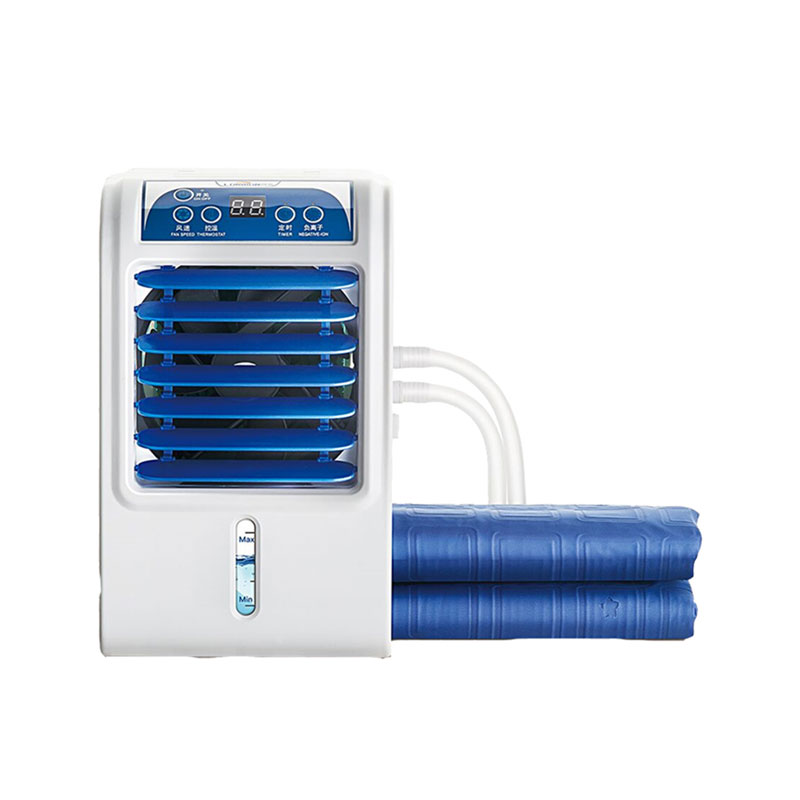
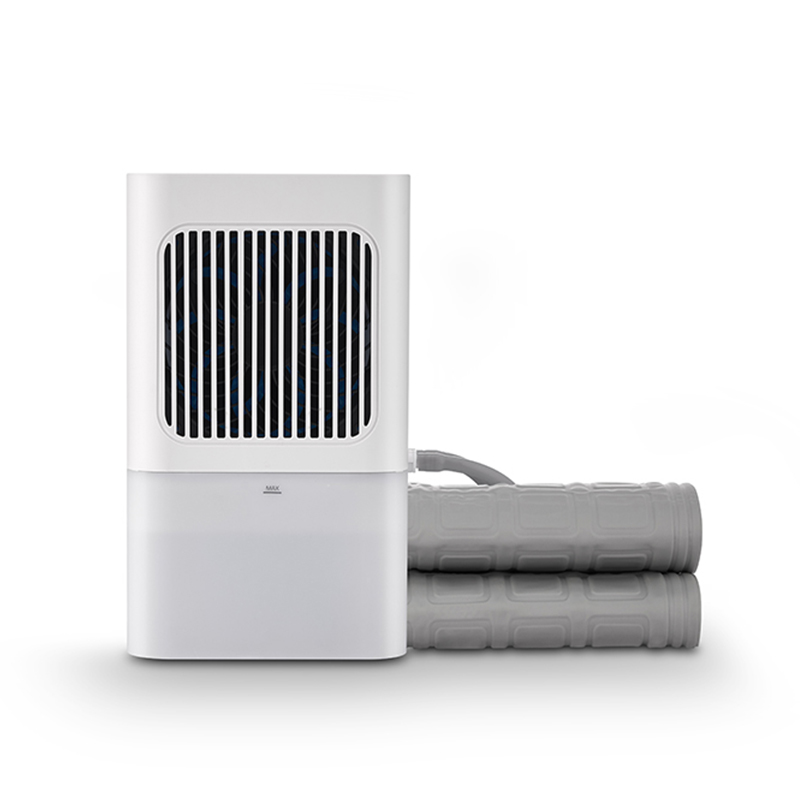
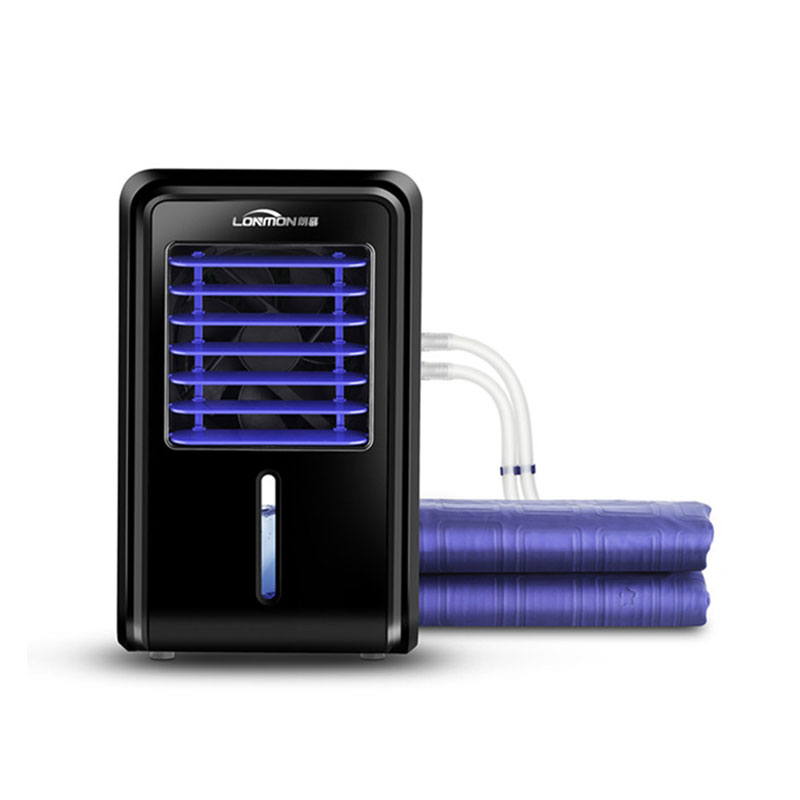
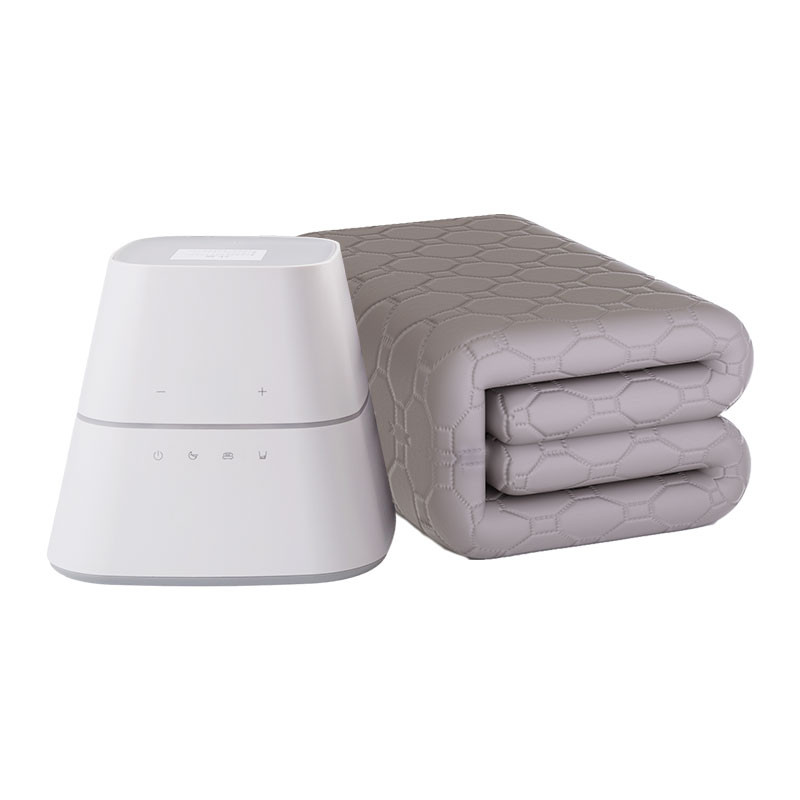
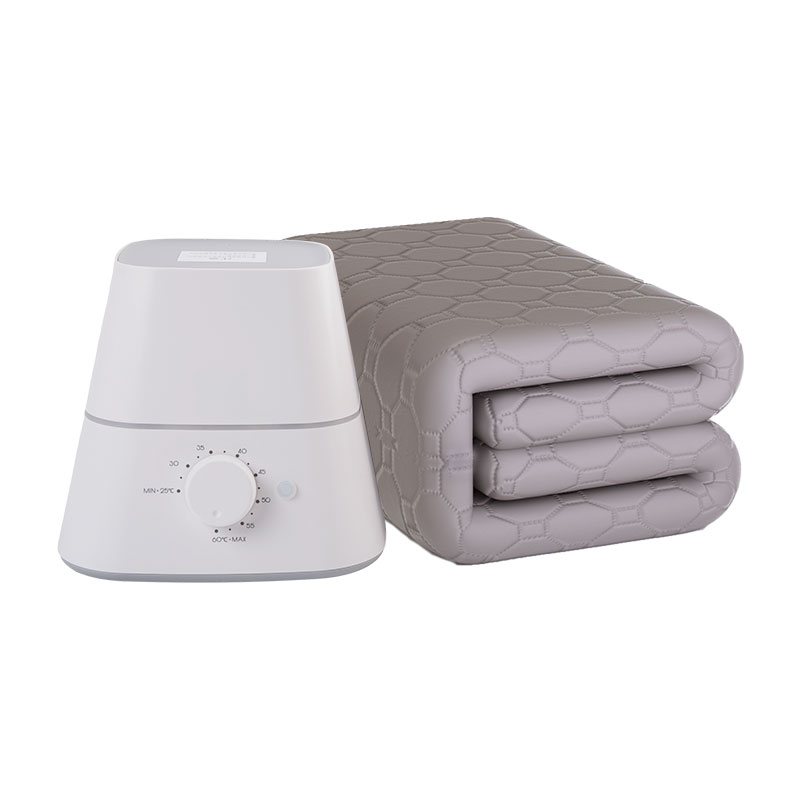
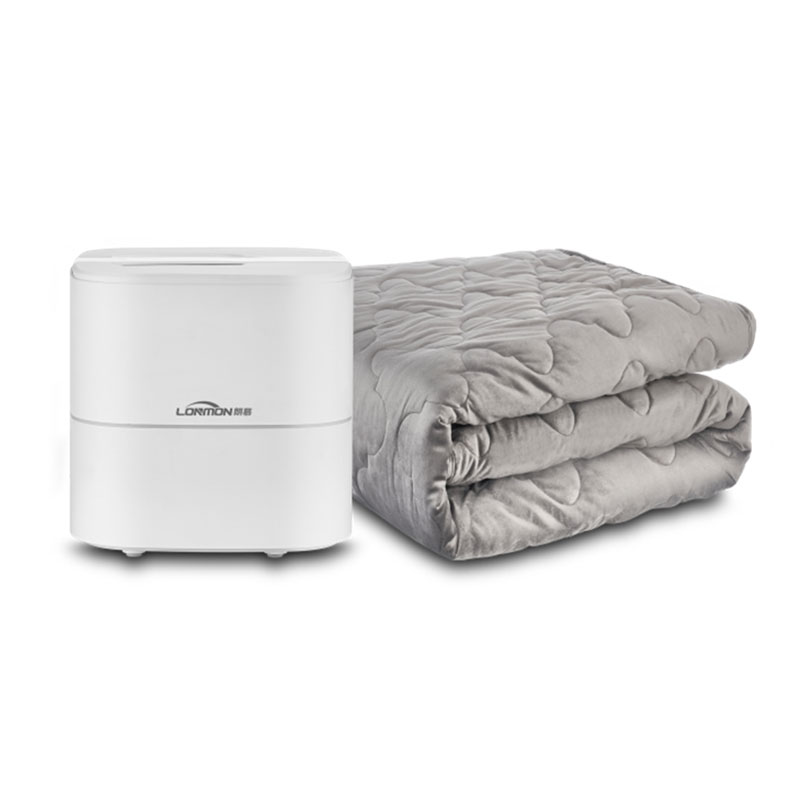
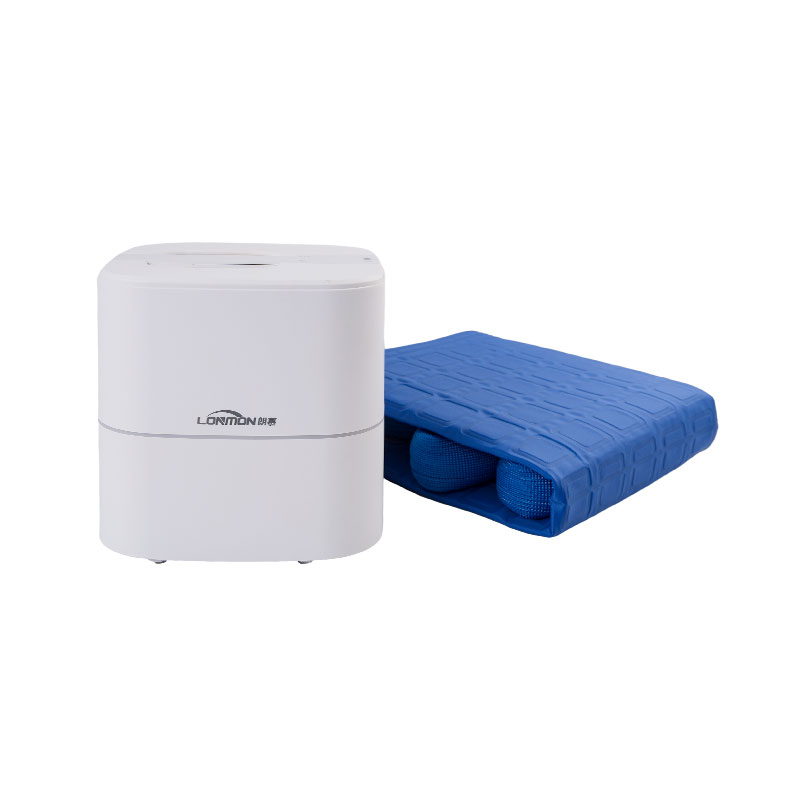
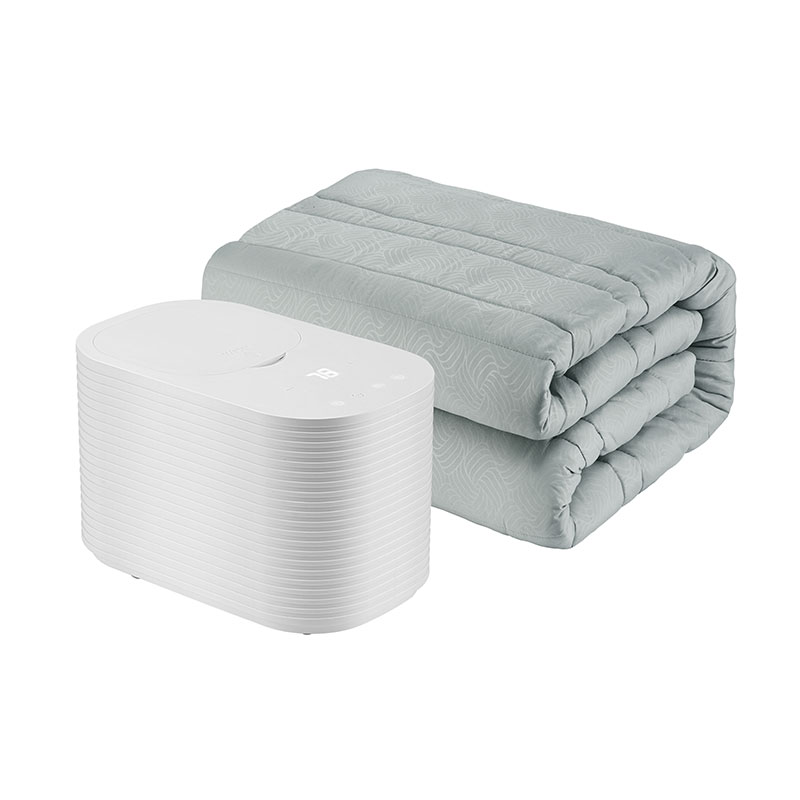
Water-heated mattress pads typically consist of a network of flexible tubing or channels through which heated water circulates. The water is heated by an electric heating element, and the warmth is then transferred to the surface of the mattress. Most modern water-heated pads offer adjustable temperature controls, allowing users to set their preferred level of warmth. This feature makes them versatile for various sleeping preferences, from individuals who prefer cooler environments to those who need additional warmth due to health reasons.
The key advantage of water as a heating medium is its ability to maintain a stable, consistent temperature. Water has a high heat capacity, which allows the pad to provide steady warmth throughout the night without significant fluctuations. This contrasts with other heating methods, such as electric blankets, which can lose heat more quickly and may lead to uneven temperature distribution.
The Impact on Mattress Breathability
Breathability refers to a material's ability to allow air and moisture to pass through, ensuring that heat and moisture do not become trapped. A mattress that is breathable helps regulate the body’s temperature during sleep, preventing the buildup of sweat and heat. When a mattress is overly insulated or lacks sufficient airflow, it can create an uncomfortable sleep environment where the body overheats, leading to disrupted sleep and potential discomfort.
Water-heated mattress pads have the potential to affect the breathability of a mattress in several ways. The key issue lies in the interaction between the heated water and the materials used in the mattress construction. For example, many modern mattresses are made with foam materials, which tend to be less breathable than traditional innerspring mattresses. Foam mattresses, particularly memory foam, are designed to conform to the body’s shape but can also trap heat and limit airflow. When a water-heated mattress pad is used on a foam mattress, the heat from the water can further reduce the ability of the mattress to breathe, leading to a warmer sleeping surface.
However, the impact on breathability will depend on several factors, including the type of mattress, the thickness and material of the water-heated pad, and the specific temperature settings used. A thinner water-heated pad may have less of an impact on airflow, while a thicker pad or one that is set to a higher temperature may result in more warmth retention. In addition, some mattresses are designed with built-in ventilation or breathable layers, which may help mitigate the effects of the heating pad by allowing for better airflow even when heat is applied.
The Effect on Mattress Humidity
Humidity levels within the sleeping environment are another factor to consider when using a water-heated mattress pad. Humidity is the amount of moisture in the air, and during sleep, the body naturally releases moisture through sweating. When humidity is high, the body may have difficulty regulating its temperature, leading to discomfort and a less restful night of sleep. Similarly, a mattress that traps moisture can create a damp environment, which may promote the growth of mold, bacteria, or dust mites—factors that can negatively impact health and the longevity of the mattress.
The use of a water-heated mattress pad can influence the humidity levels within the bed in several ways. One concern is that the heat generated by the water can increase the moisture in the air within the mattress and bedding. When the surface of the mattress is heated, the body may sweat more than usual, especially if the temperature is set too high. This can lead to higher humidity levels in the bed, potentially causing discomfort during sleep.
On the other hand, water-heated mattress pads do not directly add moisture to the air in the same way as a humidifier. The water within the pad is contained within a sealed system of tubes, and it does not evaporate into the air unless the pad is exposed to very high temperatures. Therefore, the primary concern regarding humidity is the accumulation of moisture from the body’s natural perspiration. If the mattress and bedding materials do not allow for sufficient airflow, the moisture may become trapped, leading to an increase in the humidity level inside the bed.
Managing Breathability and Humidity with Water-Heated Mattress Pads
While water-heated mattress pads can have an effect on breathability and humidity, there are steps that users can take to minimize these issues and create a more comfortable sleep environment. One of the most important considerations is selecting the right mattress material. For example, natural latex or innerspring mattresses tend to offer better airflow and breathability than memory foam or hybrid mattresses. If a water-heated mattress pad is used on a foam mattress, opting for a mattress that incorporates cooling technologies or breathable layers may help maintain airflow and prevent heat buildup.
Another strategy for improving breathability is to adjust the temperature settings on the water-heated mattress pad. Users should experiment with different temperature levels to find a balance between warmth and comfort without causing excessive sweating. Lower temperatures will generally reduce the potential for moisture buildup and maintain a more comfortable level of humidity in the bed. In addition, ensuring that the pad is not set too high can prevent overheating, which is often a cause of increased sweating and humidity during sleep.
Using breathable bedding materials, such as cotton or linen sheets, can also help improve the overall breathability of the mattress and reduce humidity. These fabrics allow air to circulate more freely, helping to wick moisture away from the body and keeping the sleep environment cooler. Furthermore, regularly washing bedding and maintaining proper hygiene will help prevent the buildup of moisture and bacteria in the mattress.
The Role of Mattress Protectors in Maintaining Breathability
Mattress protectors are another effective solution for addressing the potential impact of water-heated mattress pads on mattress breathability and humidity. Mattress protectors are typically made from breathable materials that help to shield the mattress from moisture, spills, and dirt while allowing air to circulate. Choosing a high-quality, breathable mattress protector can help maintain the integrity of the mattress, particularly when using a water-heated mattress pad.
Some mattress protectors are designed with additional cooling properties, which can further improve airflow and prevent excessive warmth. These protectors often incorporate advanced fabrics or technologies that wick moisture away from the body, keeping the sleep surface dry and cool. By using a mattress protector alongside a water-heated pad, users can create a more balanced sleep environment that addresses both breathability and humidity concerns.
Factors Affecting the Effectiveness of Water-Heated Mattress Pads
While water-heated mattress pads can offer comfort and warmth, the effectiveness of the pad in regulating breathability and humidity will depend on several factors. One of the primary factors is the type of mattress used. A thicker or more insulated mattress may trap more heat and reduce airflow, making it harder for the water-heated pad to maintain a comfortable temperature without impacting breathability. Conversely, a mattress with built-in ventilation and breathable layers may be better suited for use with a water-heated pad, as it will allow the heat to dissipate more easily.
Another factor to consider is the quality of the water-heated mattress pad itself. High-quality pads are designed to maintain an even distribution of heat and to regulate the temperature effectively. Cheaper or poorly designed pads may lead to uneven heating, which can result in hot spots and discomfort. Similarly, pads that are too thick or poorly insulated may contribute to reduced airflow and increased humidity, especially if used on a less breathable mattress.
Table: Factors Influencing Breathability and Humidity in Water-Heated Mattress Pads
| Factor | Impact on Breathability | Impact on Humidity |
|---|---|---|
| Mattress Material | Natural materials like latex and innerspring offer better airflow | Memory foam can trap moisture and heat |
| Water-Heated Pad Temperature | Higher temperatures may reduce airflow and increase sweating | Higher temperatures can increase moisture accumulation in the bed |
| Mattress Protector | Breathable protectors help maintain airflow | Protectors can reduce moisture buildup in the mattress |
| Bedding Material | Natural fabrics like cotton and linen enhance airflow | Breathable fabrics help wick moisture away from the body |