英语
英语 中文简体
中文简体Introduction to Water-Cooled Mattress Pads
Water-cooled mattress pads are a popular choice for individuals seeking a comfortable and adjustable sleep temperature. These pads work by circulating water through a system of channels embedded in the pad, which absorbs and dissipates heat to regulate the body’s temperature during sleep. While water-cooled mattress pads offer significant benefits, such as improved sleep quality and temperature control, there are concerns about the potential risks of leaks and water damage. Understanding the factors that contribute to these risks and how to mitigate them can help users enjoy the benefits of water-cooled mattress pads without worrying about water-related issues.
How Water-Cooled Mattress Pads Work
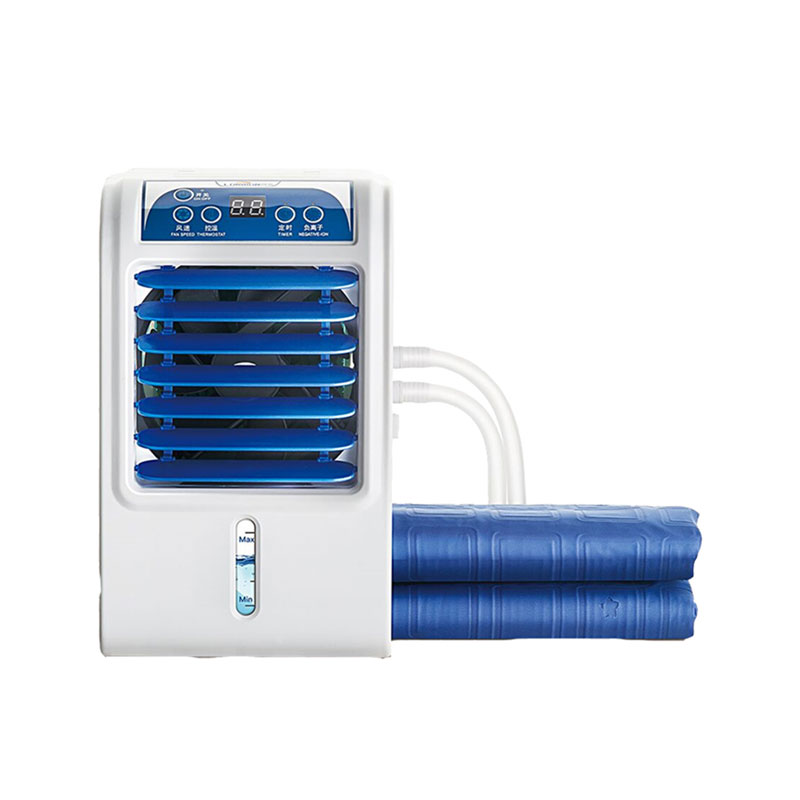
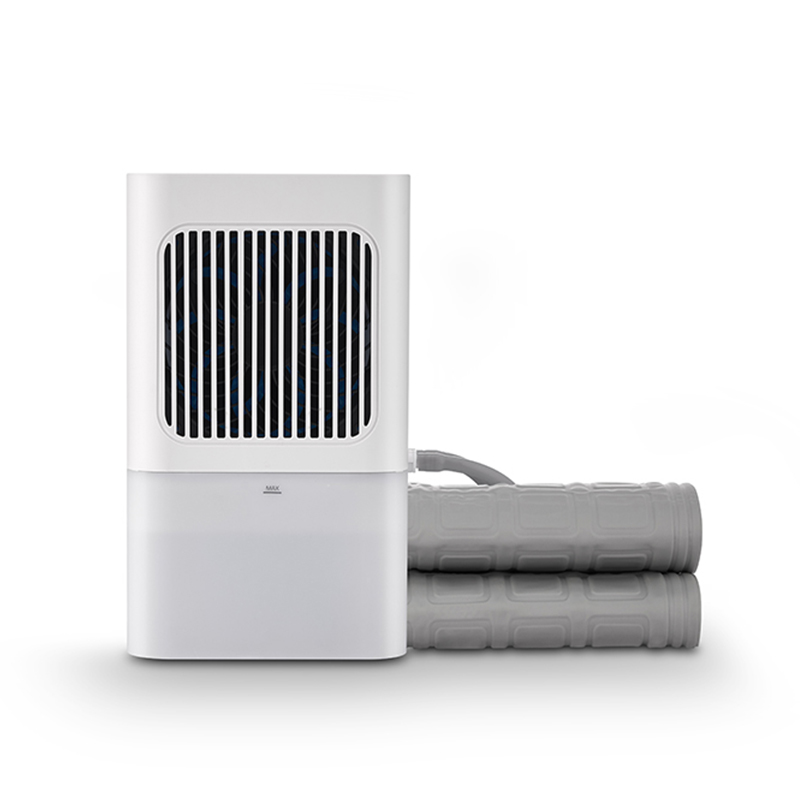
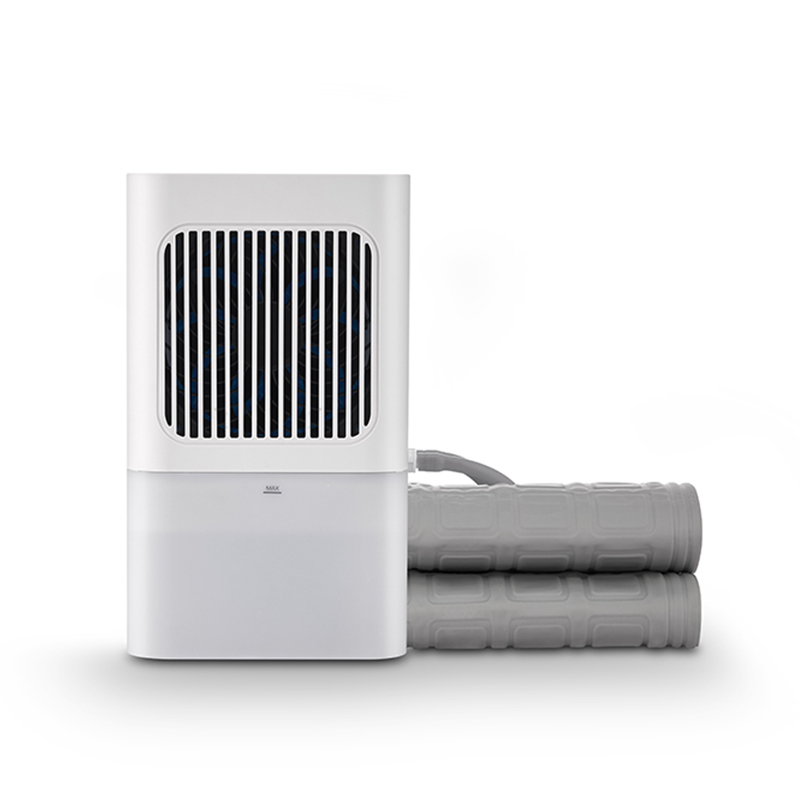
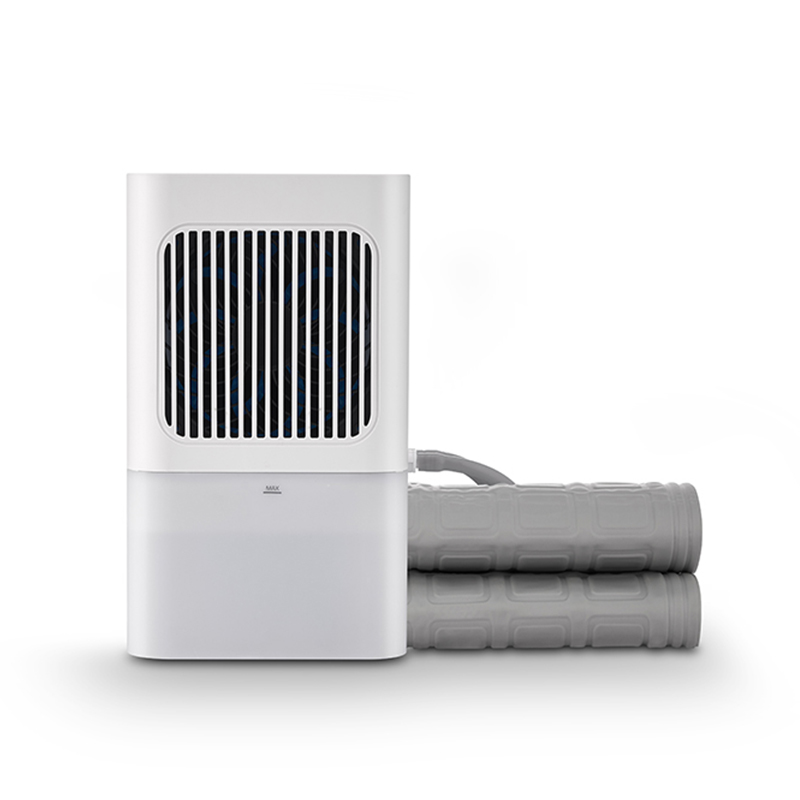
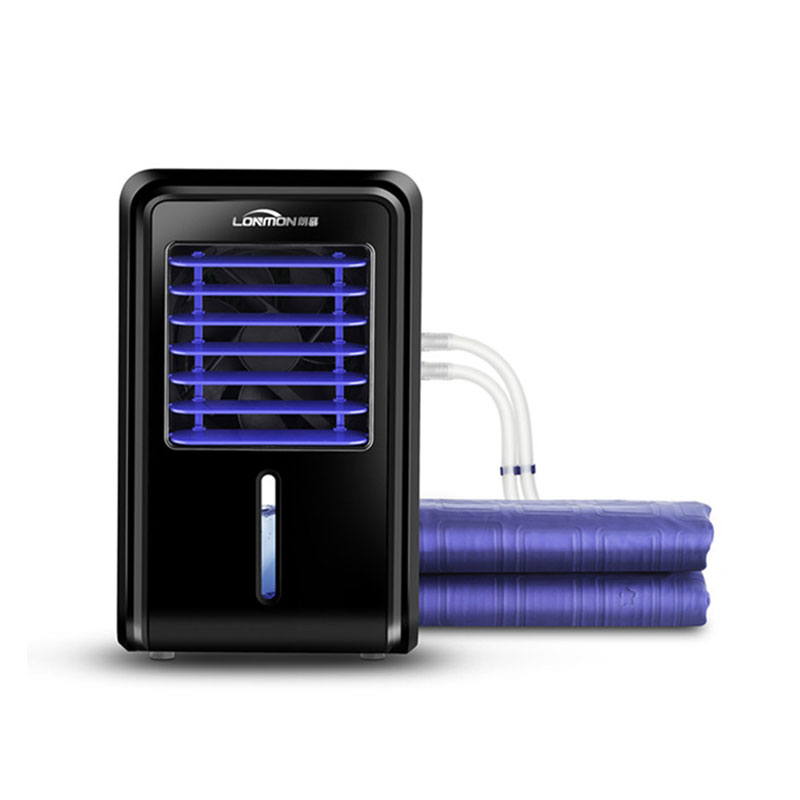
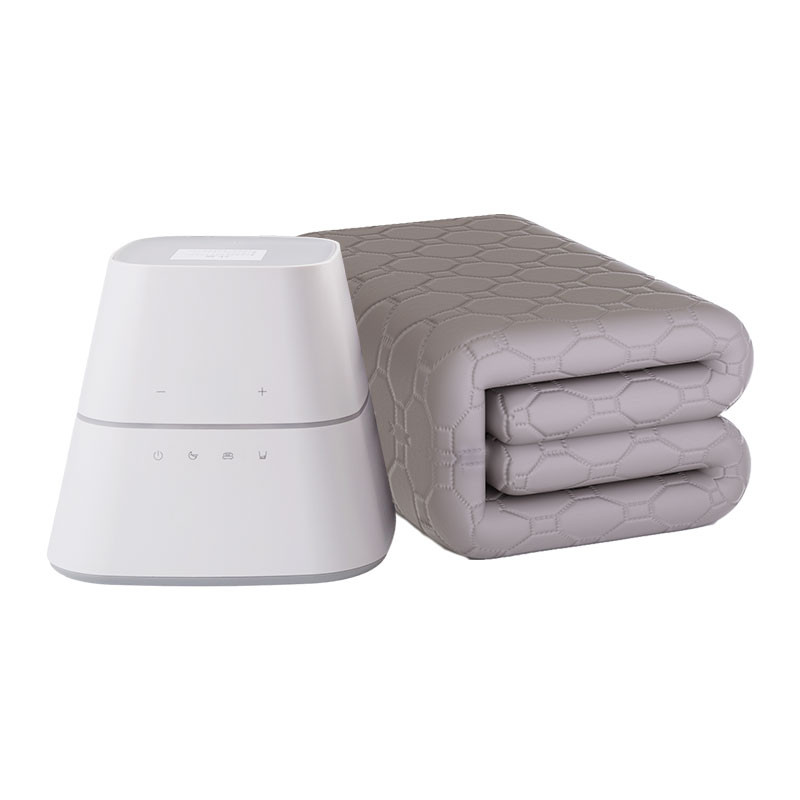
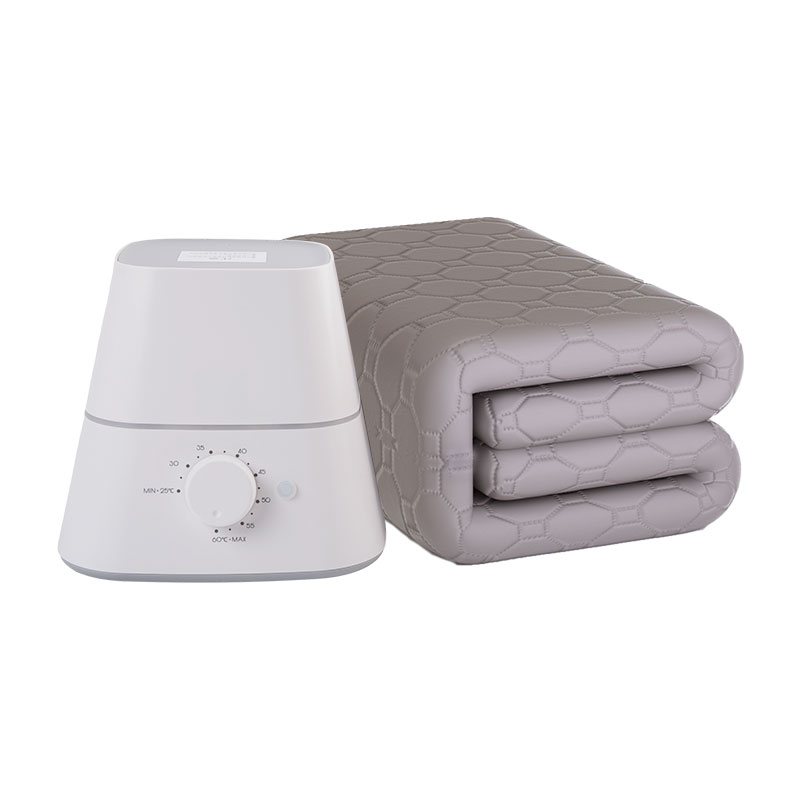
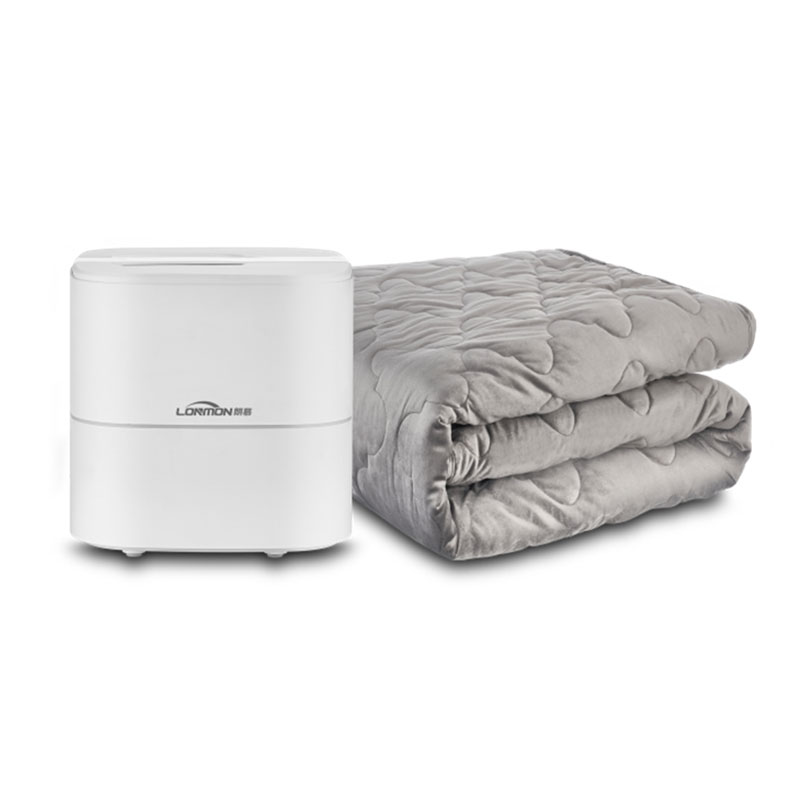
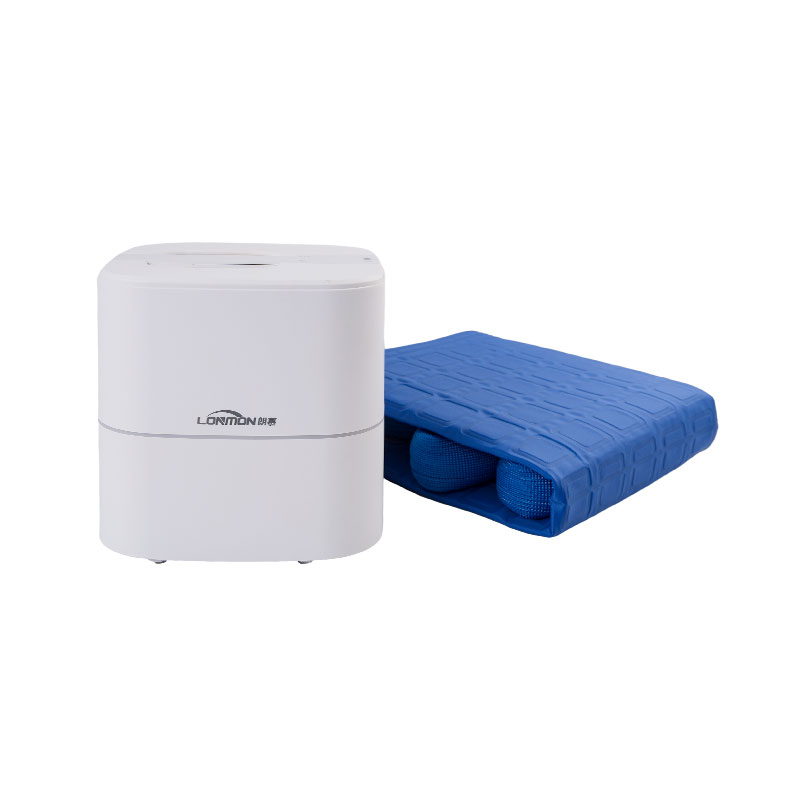
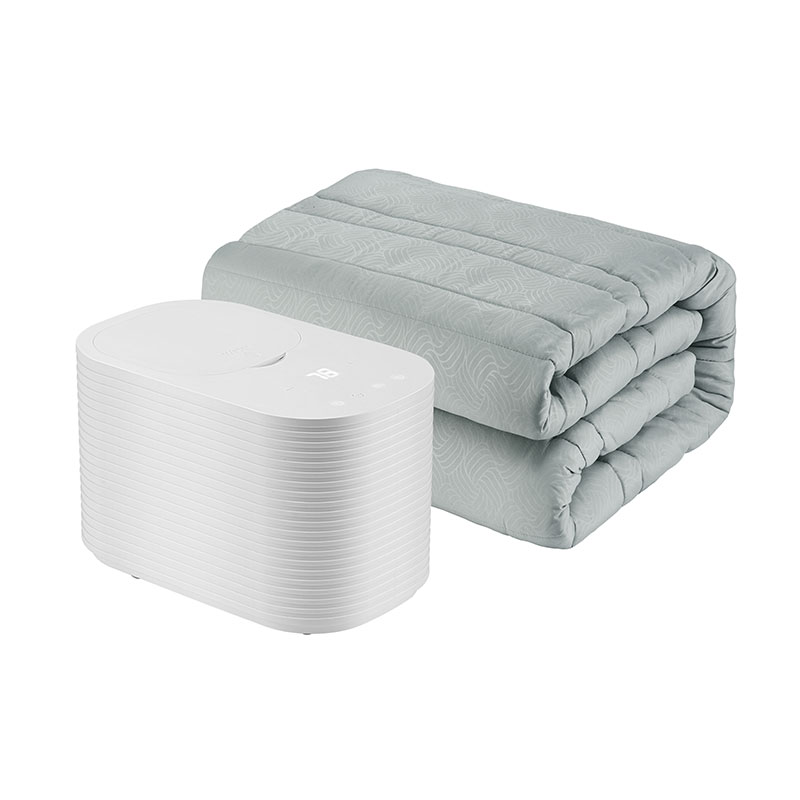
Water-cooled mattress pads typically consist of a cooling unit, water-filled hoses, and the mattress pad itself. The cooling unit circulates water through the hoses and into the mattress pad, where it is distributed evenly across the surface. The water absorbs heat from the body and returns to the cooling unit, where it is cooled and recirculated. Many systems offer temperature control settings that allow users to adjust the temperature according to their preferences. This technology can be particularly beneficial for those who struggle to maintain a comfortable sleeping temperature throughout the night, offering relief from heat-related discomfort and providing an overall more restful sleep experience.
Potential Risks of Leaks
One of the primary concerns with water-cooled mattress pads is the risk of leaks. A leak in the system can occur in several areas, including the water reservoir, hoses, or the mattress pad itself. While most modern systems are designed to be leak-resistant, accidents can still happen, particularly if the system is improperly maintained or installed. Over time, wear and tear on the components, such as cracks or punctures in the hoses or reservoir, can increase the likelihood of a leak. Additionally, if the system is not assembled properly or is subject to excessive pressure, leaks can develop. Understanding the potential causes of leaks and addressing them early can help prevent water damage and maintain the efficiency of the cooling system.
Causes of Leaks
Leaks can be caused by a variety of factors, including improper installation, aging components, and user neglect. Some common causes of leaks include:
1. Wear and Tear on the System
Like any mechanical device, water-cooled mattress pads can experience wear and tear over time. The hoses and connectors may become brittle or cracked with extended use, especially if they are exposed to high temperatures or excessive pressure. As the system ages, the risk of leaks increases. Regular inspection and maintenance of the system are essential to detect early signs of wear, such as visible cracks or discoloration in the hoses.
2. Improper Installation
Improper installation is another common cause of leaks. If the hoses or connections are not securely attached or if the cooling unit is not properly aligned, leaks may occur. It is crucial to follow the manufacturer’s installation instructions carefully to ensure that all components are properly connected and sealed. This helps minimize the chances of leaks and ensures the system operates efficiently.
3. Excessive Pressure
Excessive pressure within the system can also lead to leaks. Water-cooled mattress pads are designed to operate within a specific pressure range. If the system is overfilled or subjected to excessive pressure, it can cause the hoses or connectors to burst, resulting in water leaks. It is important to monitor the water level in the cooling unit and ensure that the system is not pressurized beyond its designed capacity.
4. Manufacturing Defects
Although rare, manufacturing defects can sometimes contribute to leaks. Defective hoses, poorly sealed connectors, or flaws in the mattress pad itself can lead to water leakage. If you suspect that your mattress pad is defective, it is important to contact the manufacturer for a replacement or repair. Most reputable manufacturers provide warranties to cover defects in materials or workmanship.
Risks of Water Damage
In the event of a leak, water damage can occur, particularly if the leak is not noticed promptly. Water can seep into the mattress, bed frame, or surrounding areas, leading to potential damage to the flooring, walls, or furniture. Water damage can be costly to repair, and if left untreated, it can lead to mold and mildew growth, which can pose health risks. It is essential to address leaks as soon as they are detected and to take preventative measures to avoid water damage.
Preventing Water Damage
There are several steps you can take to prevent water damage associated with water-cooled mattress pads:
1. Regular Maintenance
Regular maintenance is essential to prevent leaks and water damage. This includes checking the hoses and connectors for signs of wear, ensuring the cooling unit is functioning properly, and verifying that the system is not overfilled. Performing routine checks can help identify potential issues before they lead to leaks. Additionally, replacing worn or damaged components as needed can extend the life of the system and reduce the risk of leaks.
2. Proper Installation
Proper installation is key to preventing leaks and water damage. Ensuring that all components are securely connected and that the system is correctly assembled can minimize the risk of leaks. If you are unsure about the installation process, it may be helpful to have a professional install the system to ensure it is set up correctly.
3. Use Leak Detectors
Some water-cooled mattress pad systems come equipped with leak detectors or alarms that alert users to any leaks in the system. If available, consider using these features to monitor the system’s integrity. Early detection of leaks can prevent water from spreading and causing significant damage to your home and mattress.
4. Waterproof Bedding
Using waterproof bedding or mattress covers can provide an extra layer of protection in case of leaks. These covers are designed to prevent water from soaking into the mattress and can help mitigate the effects of any accidental spills or leaks. Waterproof covers are a cost-effective solution for protecting your investment in a water-cooled mattress pad.
5. Emergency Procedures
If you notice a leak, it is important to take immediate action to minimize water damage. Turn off the cooling unit, disconnect the system, and carefully inspect the affected areas. If necessary, remove the mattress pad from the bed and allow it to dry thoroughly. Using towels or a wet-dry vacuum can help absorb excess water and prevent it from seeping into the surrounding areas.
How to Fix Leaks
In some cases, minor leaks can be repaired without replacing the entire system. If you detect a small leak, follow these steps:
- Locate the source of the leak and assess the severity.
- Disconnect the system from the power supply to prevent electrical hazards.
- For small hose leaks, use a temporary patch or sealant designed for hydraulic systems.
- If the leak is coming from the mattress pad, check for punctures or tears and use a fabric patch designed for repairing water-cooled mattress pads.
- If the leak persists, consider replacing the damaged component or contacting the manufacturer for assistance.