英语
英语 中文简体
中文简体Understanding Leak Protection in Electric Water Heating Mattress Pads
Electric water heating mattress pads rely on a closed-loop water circulation system to deliver controlled warmth across the sleeping surface. Because water and electrical components operate together, users often ask whether the circulation system includes leak protection. Leak protection refers to a combination of structural design, material selection, monitoring mechanisms, and safety responses intended to reduce the likelihood of water escaping the system and to manage risks if leakage occurs. In most modern designs, leak protection is treated as an essential part of overall system safety rather than an optional addition.
Basic Structure of the Water Circulation System
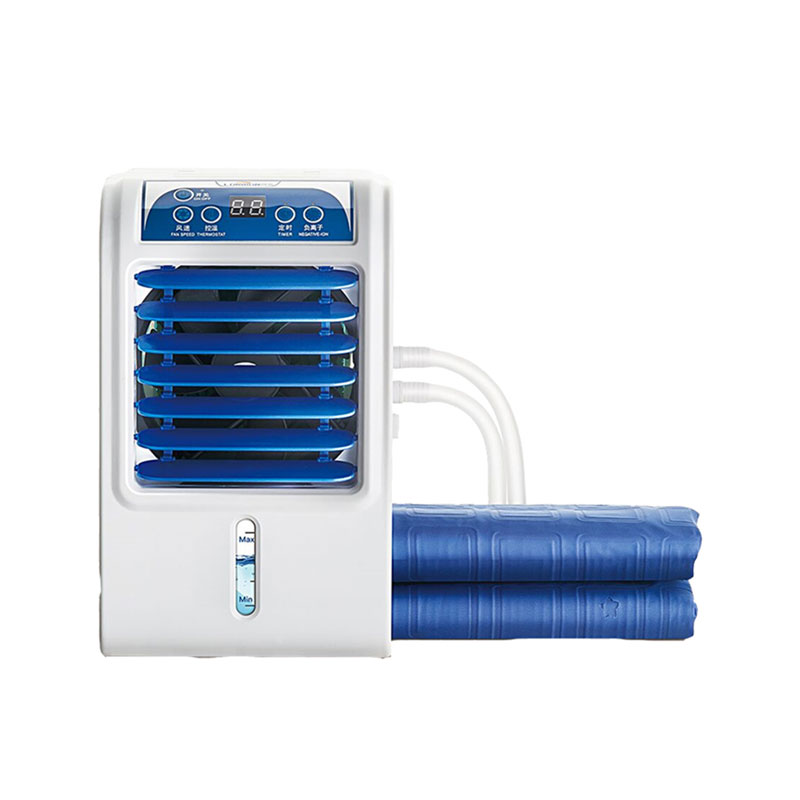
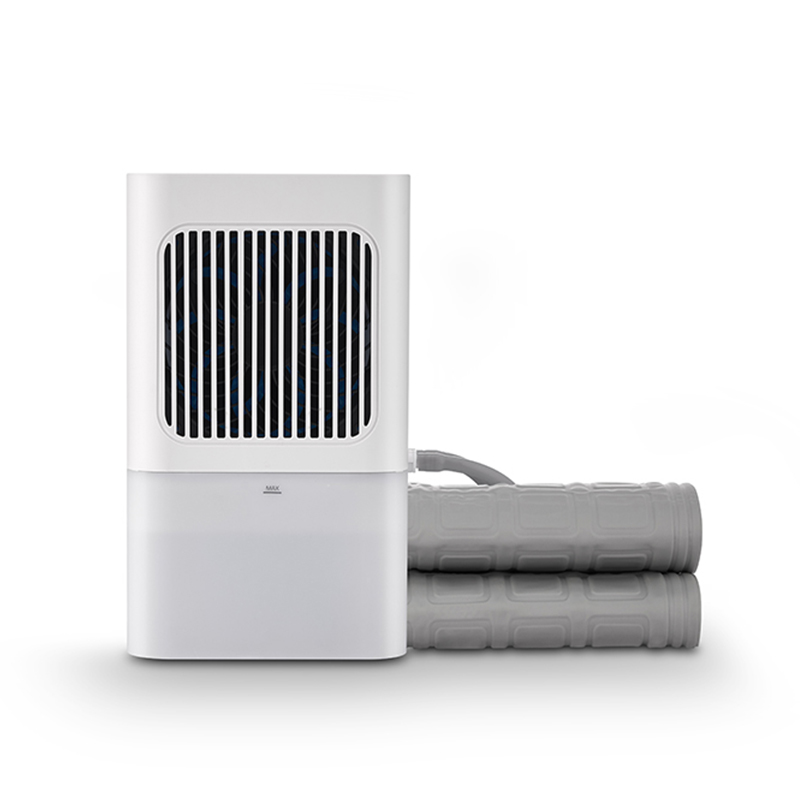
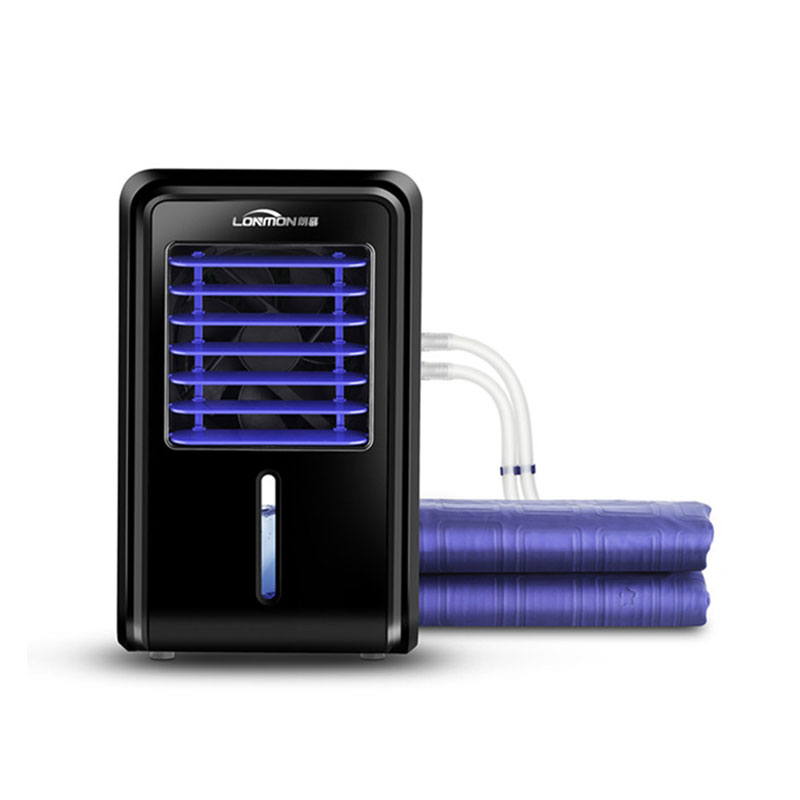
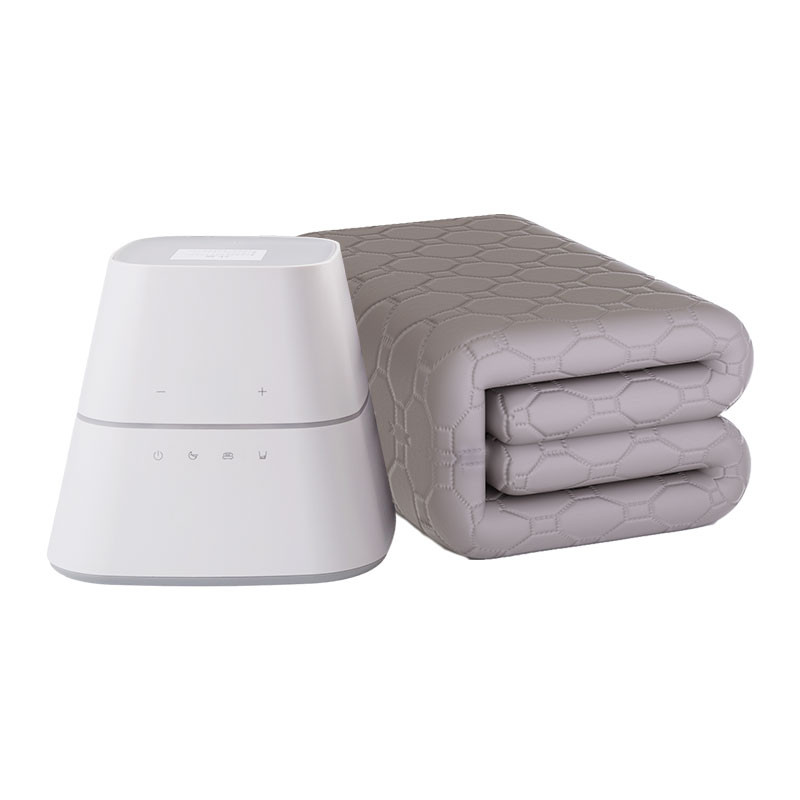
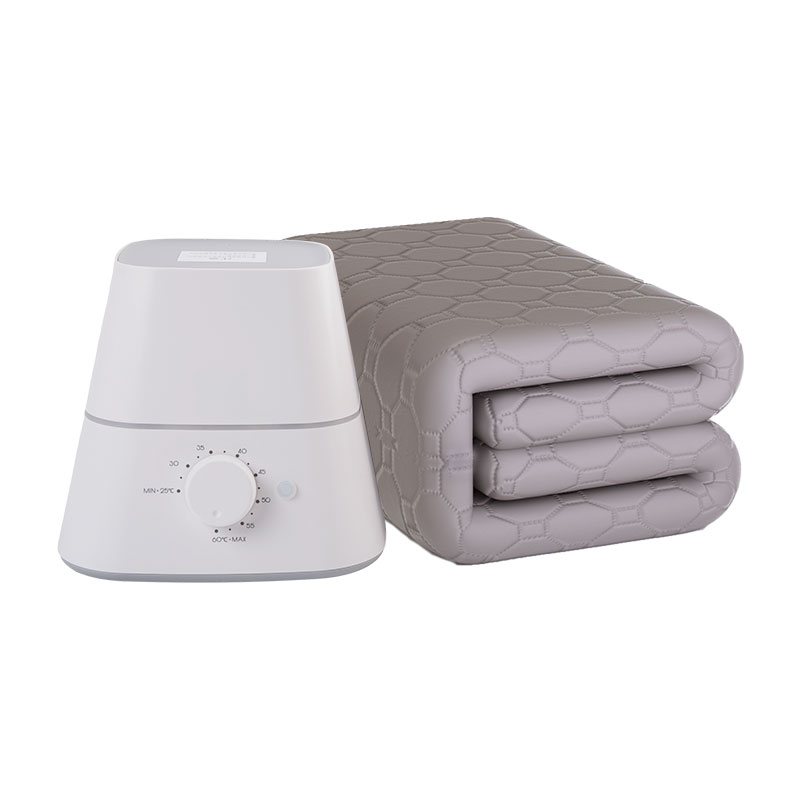
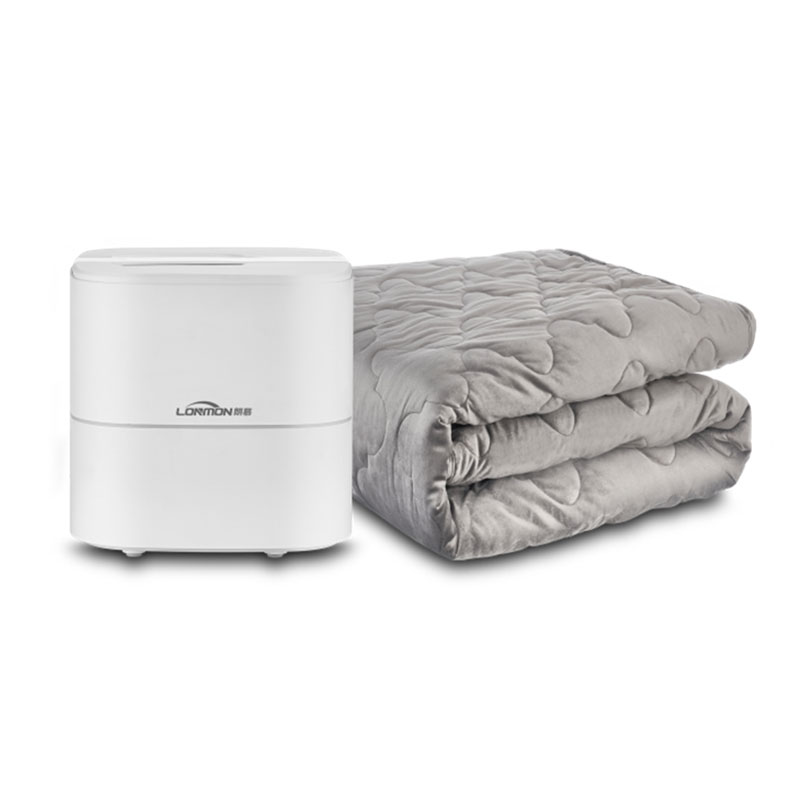
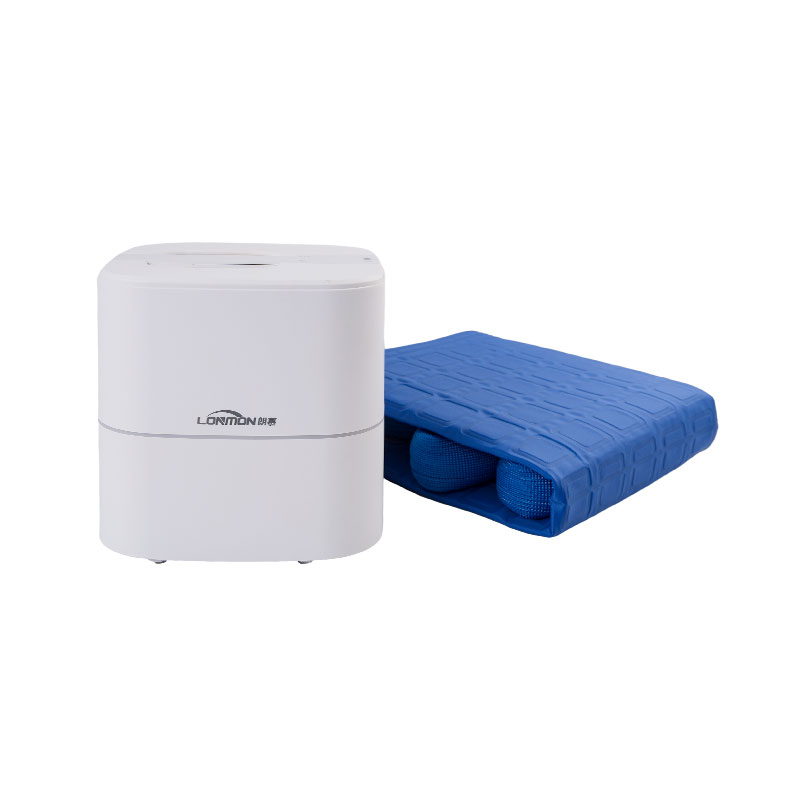
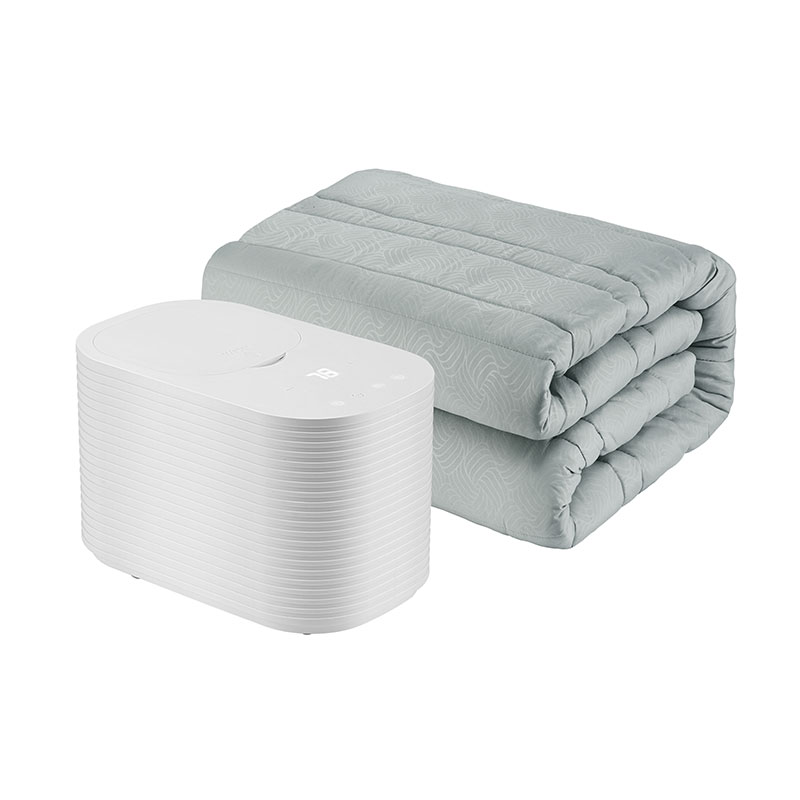
The water circulation system typically consists of a compact water reservoir, a low-noise pump, flexible tubing embedded within the mattress pad, and temperature control components. Water is heated in a controlled unit and circulated continuously to maintain a consistent thermal environment. Leak protection must account for each of these elements, as potential leakage points can exist at tube joints, pump connections, and reservoir interfaces. A well-considered system design aims to reduce stress at these points during normal and prolonged use.
Material Selection and Its Role in Leak Prevention
One of the primary methods of leak protection is the use of materials designed to tolerate repeated heating cycles, bending, and pressure changes. Tubing is commonly made from multilayer polymer materials that resist cracking and deformation. These materials are selected for their ability to remain flexible at different temperatures, which helps maintain seal integrity over time. Connectors and fittings are often reinforced to reduce the chance of loosening during movement or extended operation.
Sealed Connections and Joint Design
Connections between tubes, pumps, and reservoirs are critical points for leak protection. Many electric water heating mattress pads use sealed or welded joints rather than detachable fittings in areas that are not intended for user access. This reduces the number of interfaces where water could escape. Where detachable connections are necessary for maintenance or filling, gaskets and compression seals are used to maintain a consistent seal under normal operating pressure.
Pressure Management Within the System
Water circulation systems operate under relatively low pressure, but pressure can still fluctuate due to temperature changes and pump activity. Leak protection strategies often include pressure regulation features that prevent sudden increases within the tubing network. By maintaining stable internal pressure, the system reduces mechanical stress on seals and tubing walls, which in turn lowers the likelihood of micro-leaks developing over time.
Leak Detection Sensors and Monitoring Logic
Some electric water heating mattress pads incorporate basic leak detection capabilities within the control unit. These may include moisture sensors placed near the pump or reservoir area. If unexpected moisture is detected, the system can automatically stop water circulation and heating. This response limits further water movement and reduces potential interaction between water and electrical components. While not all models include active sensors, their presence reflects a growing focus on integrated safety monitoring.
Automatic System Response to Suspected Leakage
When leak protection mechanisms detect abnormal conditions, the system may respond by shutting down the pump, disabling the heating element, or both. This automatic response helps prevent continued operation under unsafe conditions. Users are typically alerted through indicator lights or error messages on the control panel. The system remains inactive until the issue is inspected and resolved, reinforcing a cautious approach to continued use.
Comparison of Common Leak Protection Approaches
The table below outlines typical leak protection approaches used in electric water heating mattress pads and their general functions.
| Protection Method | Primary Function | Typical Location | User Awareness |
|---|---|---|---|
| Reinforced Tubing | Reduce cracking and wear | Within mattress pad layers | Not directly visible |
| Sealed Joints | Maintain secure connections | Tube and pump interfaces | Indirect |
| Moisture Sensors | Detect unexpected water presence | Control unit area | Indicator alerts |
Role of Electrical Isolation in Leak Protection
Leak protection does not rely solely on preventing water escape; it also involves managing the relationship between water and electrical components. Electrical isolation techniques, such as insulated housings and low-voltage pump operation, reduce risk if moisture is present. By separating water pathways from electrical circuits, the system limits the impact of minor leaks and supports safer shutdown behavior.
User Handling and Its Impact on Leak Risk
User handling plays a meaningful role in the effectiveness of leak protection. Folding the mattress pad sharply, placing heavy objects on tubing areas, or pulling on hose connections can introduce stress that increases leak risk. Manufacturers often design tubing layouts to minimize bending stress, but proper user practices remain important. Leak protection systems are designed to manage reasonable use conditions rather than compensate for improper handling.
Maintenance Practices Supporting Leak Protection
Regular maintenance helps sustain leak protection performance over time. Checking water levels according to manufacturer guidance, using recommended fluids, and ensuring that fill caps are secured properly all contribute to system integrity. Periodic inspection of external hoses and connection points allows early identification of wear or loosening that could otherwise lead to leakage during operation.
Leak Protection During Prolonged or Overnight Use
Overnight and prolonged use scenarios place additional demands on the water circulation system. Leak protection features are particularly relevant during these periods because users may be asleep and unable to monitor the system actively. Low-pressure circulation, durable materials, and automatic shutdown responses work together to maintain controlled operation throughout extended heating cycles.
Environmental Factors Affecting Leak Protection
Ambient temperature, humidity, and surface conditions can influence leak protection effectiveness. In colder environments, tubing materials must remain flexible to avoid micro-fractures, while in warmer conditions, seals must resist softening. Manufacturers consider these factors during material selection and testing, aiming to ensure stable performance across typical household environments.
Testing and Quality Control Measures
Leak protection is also supported by factory testing and quality control procedures. Pressure testing, extended circulation trials, and seal integrity checks are commonly used to identify potential weaknesses before products reach users. These measures help ensure that the water circulation system performs consistently under expected operating conditions.
User Perception of Leak Protection Reliability
From a user perspective, confidence in leak protection is closely tied to trust in the product’s overall design. Clear instructions, visible quality of materials, and responsive safety features contribute to this perception. When users understand how leak protection works and what indicators to watch for, they are more likely to feel comfortable using the mattress pad regularly.
Limitations of Leak Protection Systems
Despite multiple protective measures, leak protection systems have practical limits. They are designed to manage internal system issues rather than external damage such as punctures from sharp objects. Understanding these limits helps users set realistic expectations and reinforces the importance of following usage and care guidelines.
Integration of Leak Protection with Other Safety Features
Leak protection typically operates alongside other safety features such as temperature control, automatic shut-off, and electrical insulation. These systems are interconnected within the control unit, allowing coordinated responses to abnormal conditions. This integrated approach supports a more comprehensive safety framework rather than relying on a single protective mechanism.
Evolving Trends in Water Circulation Safety Design
As electric water heating mattress pads continue to develop, leak protection strategies are becoming more refined. Advances in sensor sensitivity, material durability, and system diagnostics contribute to more responsive and informative safety behavior. These trends reflect a broader focus on reliability and user reassurance in everyday home heating products.