英语
英语 中文简体
中文简体Understanding Automatic Shut-Off Functions in Electric Water Heating Mattress Pads
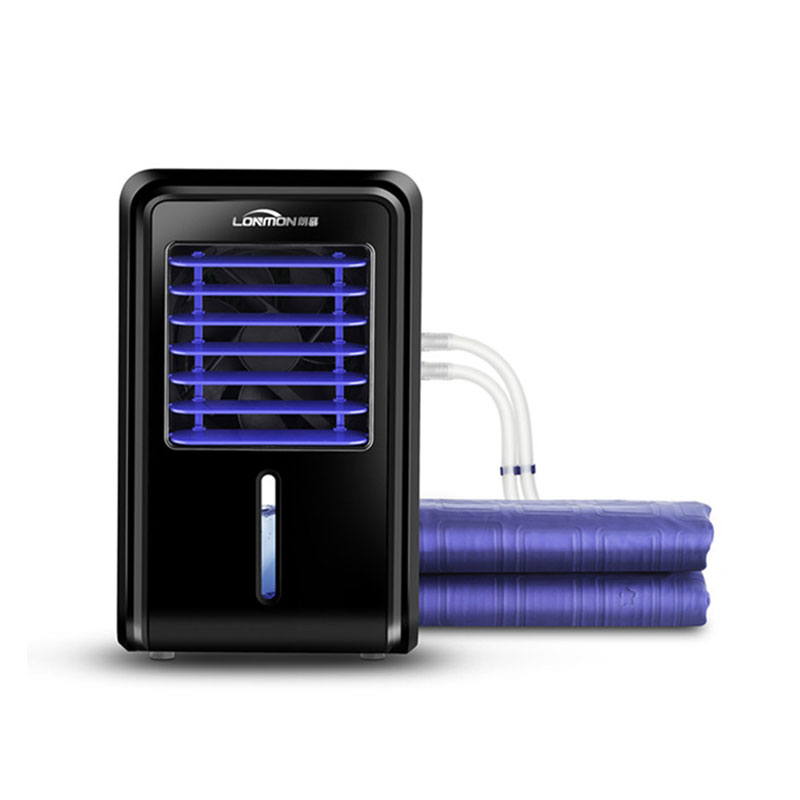
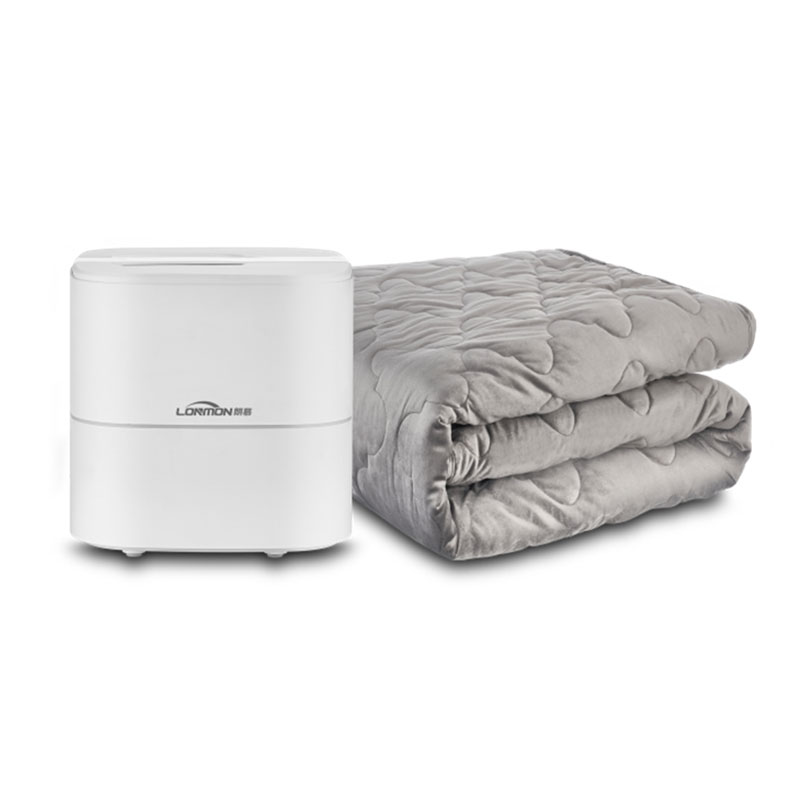
Electric water heating mattress pads are designed to provide controlled warmth by circulating heated water through internal tubing layers. One of the most discussed safety-related questions is whether these products include an automatic shut-off function during prolonged use. This function is intended to reduce risks associated with extended heating periods, electrical faults, or unintended continuous operation. In many modern designs, automatic shut-off is not an optional feature but an integrated part of the overall safety system. Its purpose is to balance user comfort with long-term reliability and responsible energy use.
Why Prolonged Use Requires Special Safety Considerations
Prolonged use of electric water heating mattress pads can occur overnight, during extended rest periods, or in medical and care-related environments where constant warmth is required. Continuous operation increases exposure to heat, electricity, and water circulation components. Over time, even well-designed systems can experience temperature drift, pressure changes in water channels, or controller fatigue. Automatic shut-off functions are therefore designed to intervene when operating conditions exceed predefined limits, helping maintain stable performance and reducing unnecessary system stress.
Basic Working Principles of Automatic Shut-Off Systems
The automatic shut-off function typically relies on sensors, timers, and control algorithms embedded in the heating unit. Temperature sensors monitor water and surface heat levels, while time-based controllers track continuous operating duration. When preset thresholds are reached, the system either powers down completely or transitions into a lower-energy standby mode. This approach allows the mattress pad to provide warmth for a defined period while avoiding unchecked operation that could lead to discomfort or component degradation.
Time-Based Shut-Off Mechanisms
Many electric water heating mattress pads use time-based shut-off mechanisms as a foundational safety feature. These systems are programmed to turn off heating after a certain number of hours, commonly ranging from six to twelve hours depending on the model. The user can usually restart the system manually if continued heating is desired. This design assumes that prolonged, uninterrupted heating may not always be necessary and encourages periodic user interaction to confirm ongoing need.
Temperature-Triggered Shut-Off Responses
In addition to timers, temperature-triggered shut-off responses play an important role. Sensors placed near the water reservoir, heating element, or mattress surface detect abnormal temperature increases. If readings exceed safe operating ranges, the control unit cuts power to the heater. This response is particularly relevant in cases where water flow is restricted, ambient temperature changes unexpectedly, or the mattress pad is used in combination with insulating bedding layers that retain heat.
Interaction Between Water Circulation and Shut-Off Logic
Electric water heating mattress pads differ from traditional electric blankets because they rely on water circulation rather than direct resistive heating across the surface. Automatic shut-off systems must therefore account for pump operation, water flow rate, and heat exchange efficiency. If the circulation pump encounters resistance or stops functioning properly, the system may detect irregular temperature distribution and trigger a shut-off. This integrated logic helps prevent localized overheating and supports more uniform thermal behavior during use.
Control Units and User Interface Design
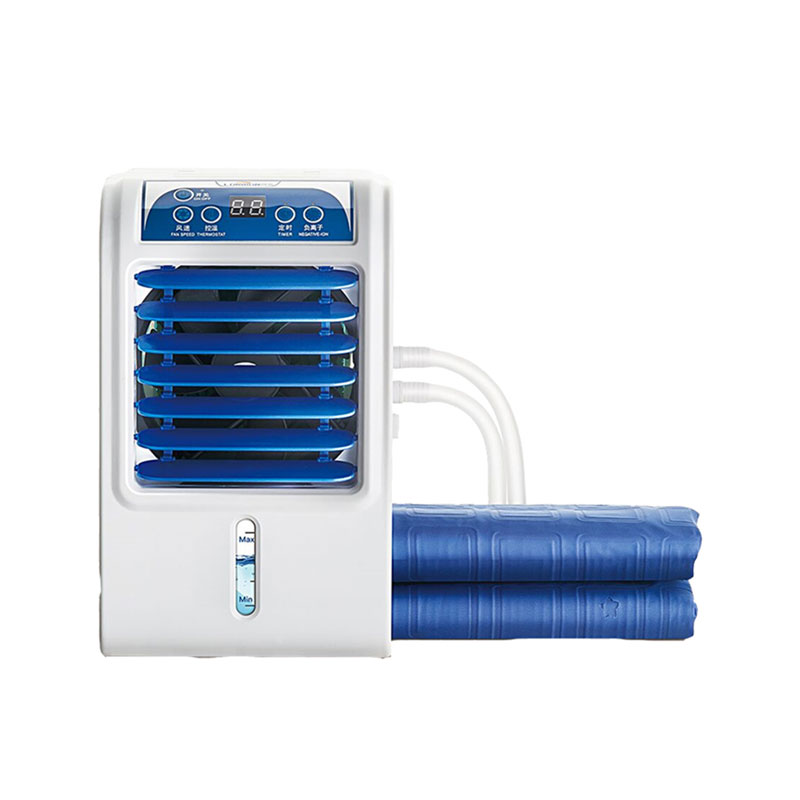
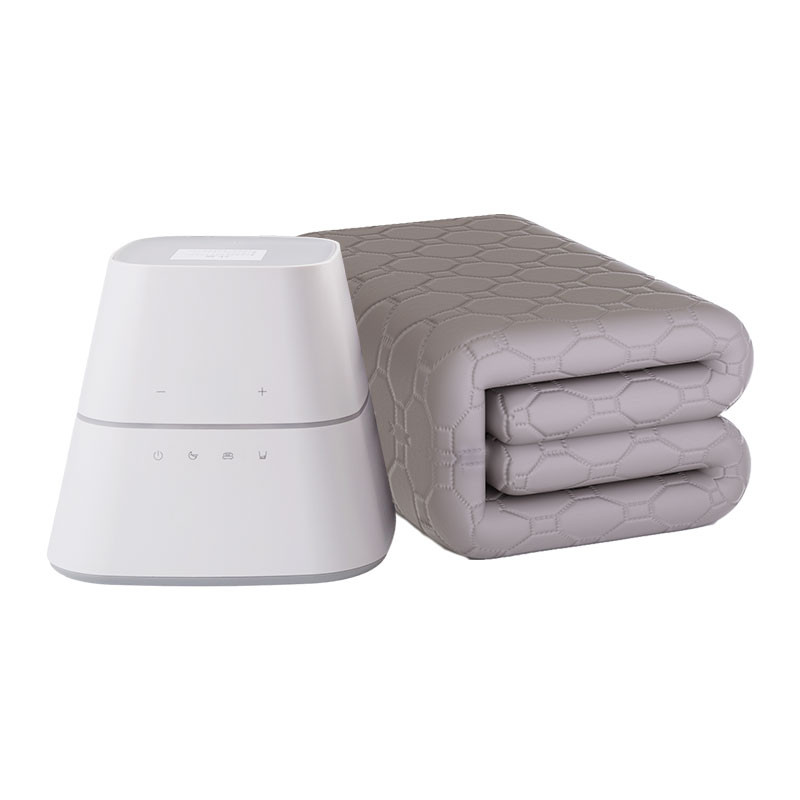
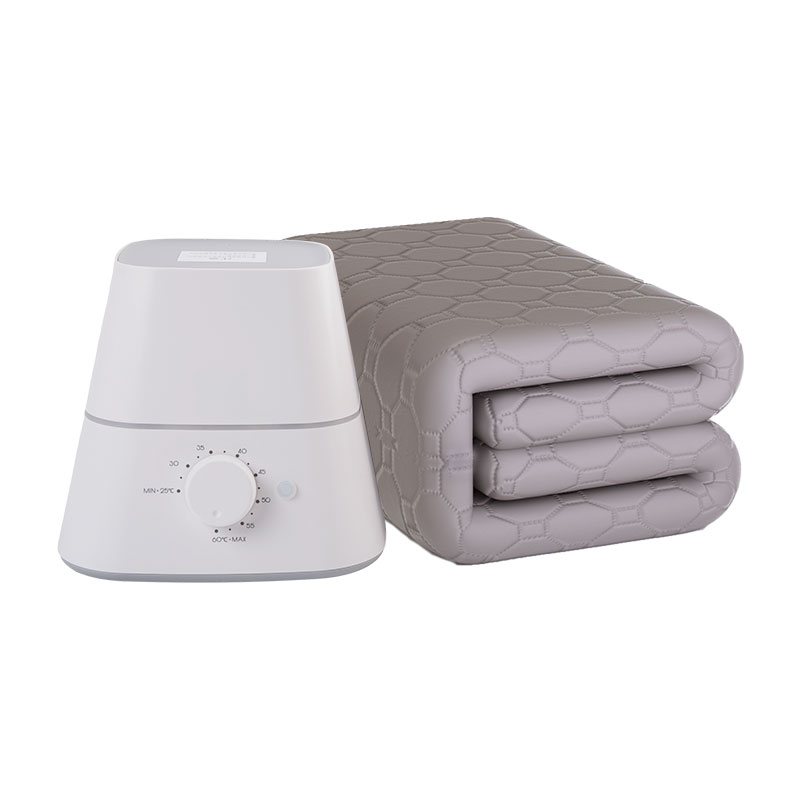
The control unit is the central component managing automatic shut-off behavior. It processes sensor input, applies programmed rules, and communicates status information to the user through displays or indicator lights. Some models allow users to customize shut-off timing or temperature limits, while others rely on fixed factory settings. Clear interface design helps users understand when the system has shut down automatically and what steps are needed to resume operation safely.
Energy Consumption and Automatic Shut-Off Efficiency
Automatic shut-off functions also contribute to energy management. By limiting unnecessary heating time, these systems reduce overall electricity consumption and support more predictable operating costs. In households where the mattress pad is used daily, time-limited heating cycles can prevent excessive power usage without compromising comfort. This balance between warmth and efficiency is an important consideration for users concerned about long-term energy impact.
Comparison of Common Shut-Off Approaches
The table below outlines typical automatic shut-off approaches found in electric water heating mattress pads and their general characteristics.
| Shut-Off Type | Main Trigger | Primary Purpose | User Interaction After Shut-Off |
|---|---|---|---|
| Time-Based | Continuous operating duration | Limit prolonged heating sessions | Manual restart required |
| Temperature-Based | Exceeding preset heat thresholds | Prevent overheating conditions | Automatic reset or manual check |
| Fault-Detection | Pump or sensor irregularities | Protect system components | Inspection before restart |
Automatic Shut-Off in Overnight Use Scenarios
Overnight use is one of the most common scenarios for electric water heating mattress pads. Automatic shut-off functions are especially relevant in this context, as users are typically asleep and unable to monitor system behavior actively. Time-based shut-off ensures that heating does not continue indefinitely, while temperature-based systems respond to changes in bedding configuration or room conditions. Together, these features support a controlled overnight heating experience without requiring constant attention.
Impact on User Comfort and Sleep Quality
Some users express concern that automatic shut-off may interrupt comfort during sleep. To address this, many systems are calibrated to maintain warmth long enough to support falling asleep and early sleep stages. Once body temperature stabilizes, continued heating may be less necessary. In this way, automatic shut-off aligns with natural sleep patterns rather than working against them. Users who prefer longer heating periods can often restart the system easily if needed.
Safety Standards and Regulatory Influence
Automatic shut-off functions are often influenced by regional safety standards and electrical regulations. Compliance requirements may specify maximum continuous operating times, temperature limits, or fault response behaviors. Manufacturers incorporate these guidelines into control system design to ensure products meet market expectations. As a result, the presence of an automatic shut-off function is increasingly seen as a baseline requirement rather than a premium feature.
Reliability of Sensors and Control Components
The effectiveness of automatic shut-off depends on sensor accuracy and control unit reliability. High-quality temperature sensors provide consistent readings over long periods, while durable electronic components withstand repeated heating cycles. If sensors degrade or provide inaccurate data, shut-off behavior may become unpredictable. For this reason, many designs include redundancy or self-check routines to verify sensor performance during operation.
Maintenance and Its Relationship to Shut-Off Performance
Proper maintenance supports the reliable operation of automatic shut-off systems. Keeping water reservoirs clean, ensuring tubing remains unobstructed, and following manufacturer guidelines for storage all contribute to consistent sensor readings and pump performance. When maintenance is neglected, the system may shut off more frequently due to detected irregularities, which can be mistaken for design issues rather than maintenance-related factors.
Use in Care and Assisted Living Environments
In care or assisted living environments, electric water heating mattress pads may be used for extended periods to support comfort or circulation. Automatic shut-off functions provide an added layer of oversight, especially when direct supervision is limited. Staff can rely on built-in timers and temperature limits to reduce risk while still offering warmth. In such settings, models with adjustable shut-off parameters are often preferred to accommodate individual needs.
Customization Options and User Control
Some electric water heating mattress pads offer customization options that allow users to select shut-off durations or temperature ranges. This flexibility enables adaptation to different climates, personal comfort preferences, and usage habits. While customization increases convenience, it also requires users to understand the implications of longer operating times and higher temperature settings. Clear instructions and intuitive controls help ensure these features are used responsibly.
Limitations of Automatic Shut-Off Systems
Although automatic shut-off functions enhance safety, they are not a substitute for proper usage. External factors such as damaged power cords, improper placement, or incompatible bedding can still affect performance. Shut-off systems respond to detectable conditions but cannot address all possible misuse scenarios. Users are therefore encouraged to follow usage guidelines and remain aware of how their mattress pad operates.
Future Developments in Shut-Off Technology
Advancements in sensor technology and smart controls are likely to influence future automatic shut-off designs. Integration with mobile applications, adaptive learning algorithms, and real-time monitoring could allow systems to adjust shut-off behavior based on user habits and environmental data. These developments aim to refine the balance between comfort, safety, and energy management without increasing operational complexity.
Overall Role of Automatic Shut-Off in Daily Use
The automatic shut-off function in electric water heating mattress pads plays a central role in supporting prolonged use scenarios. By combining time-based limits, temperature monitoring, and fault detection, these systems help maintain controlled operation over extended periods. While specific implementations vary by model, the underlying goal remains consistent: to provide warmth in a managed and predictable manner that aligns with everyday use patterns.