英语
英语 中文简体
中文简体Why a Water Cooled Mattress Improves Sleep Quality
A water cooled mattress provides precise temperature regulation, helping maintain an optimal sleeping environment throughout the night. By circulating water through embedded channels, it removes excess heat more efficiently than traditional foam or gel-based cooling systems.
Sleep research shows that a cooler body temperature supports deeper sleep cycles. Maintaining a surface temperature between 18°C and 22°C can significantly improve sleep efficiency, and water-based systems are capable of maintaining this range with minimal fluctuation.
How Water Cooling Technology Works
Closed-Loop Water Circulation
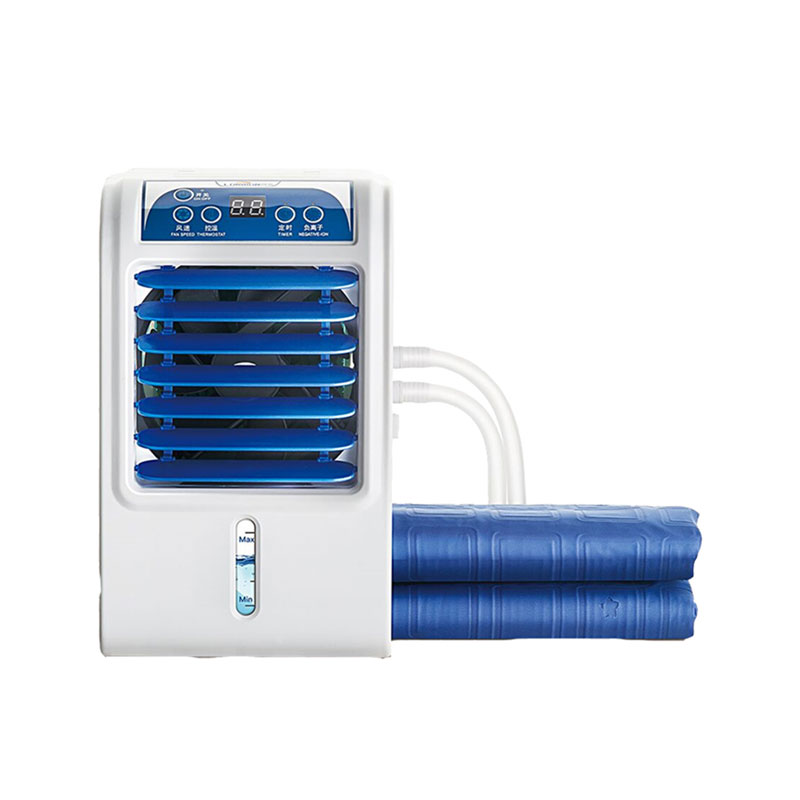
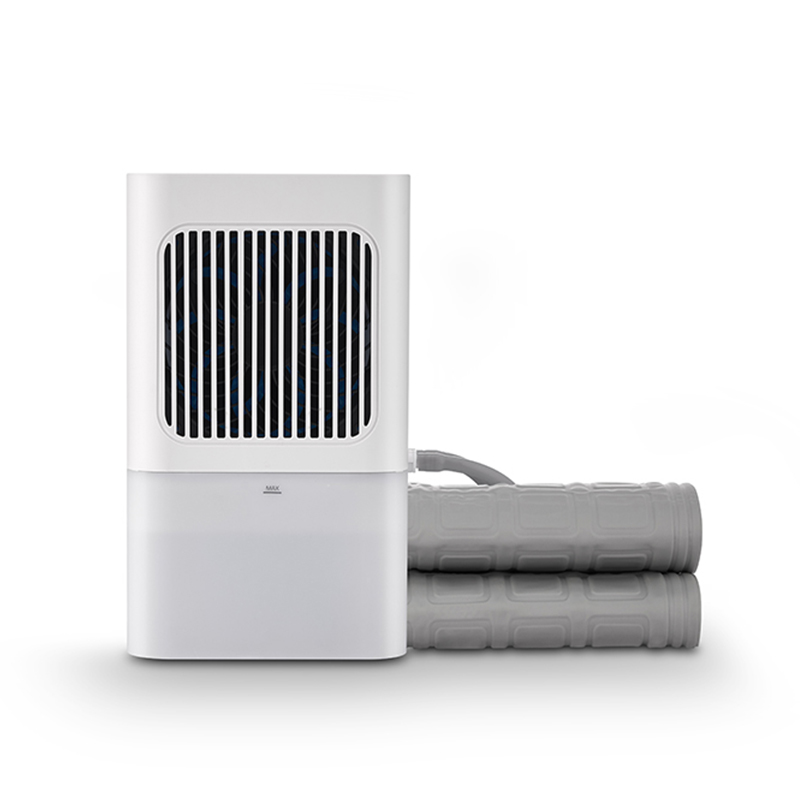
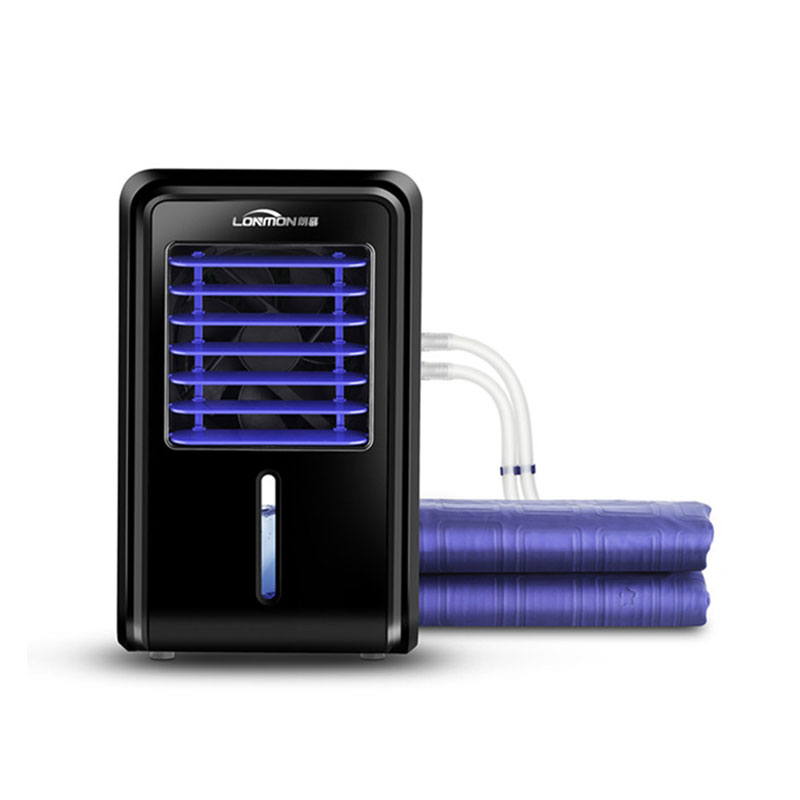
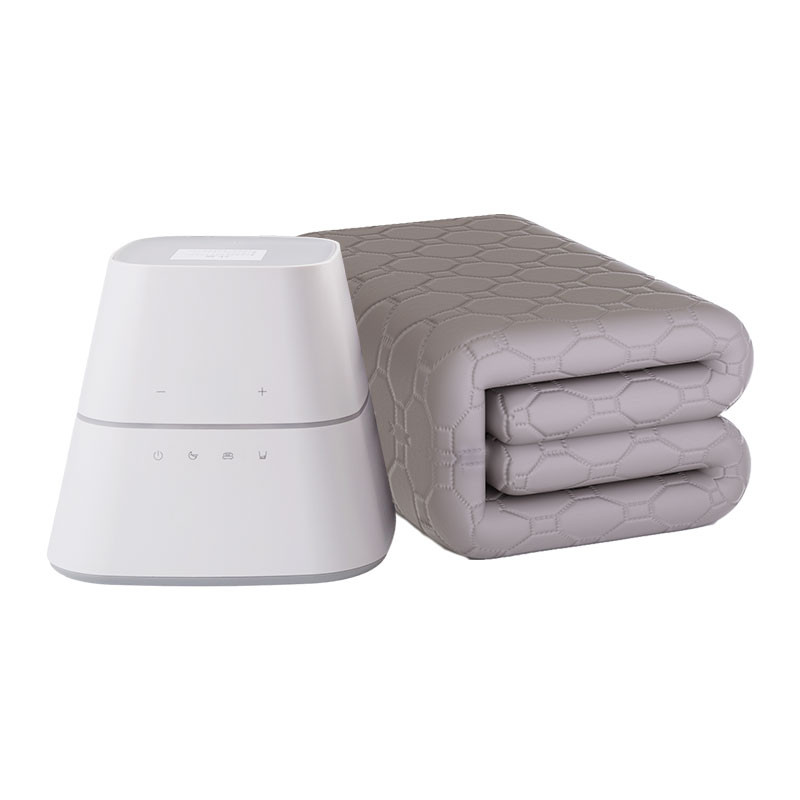
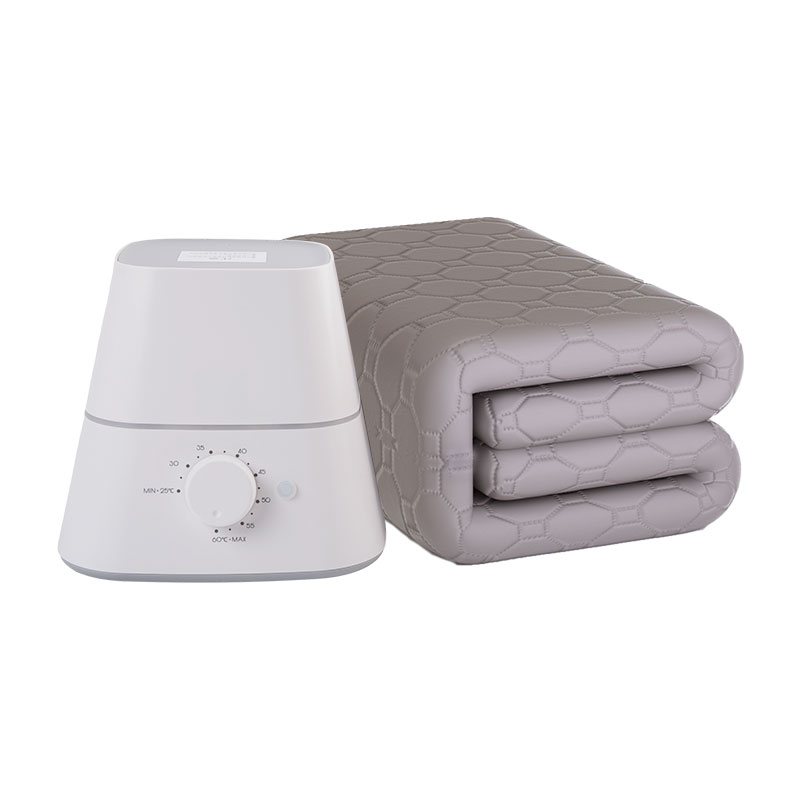
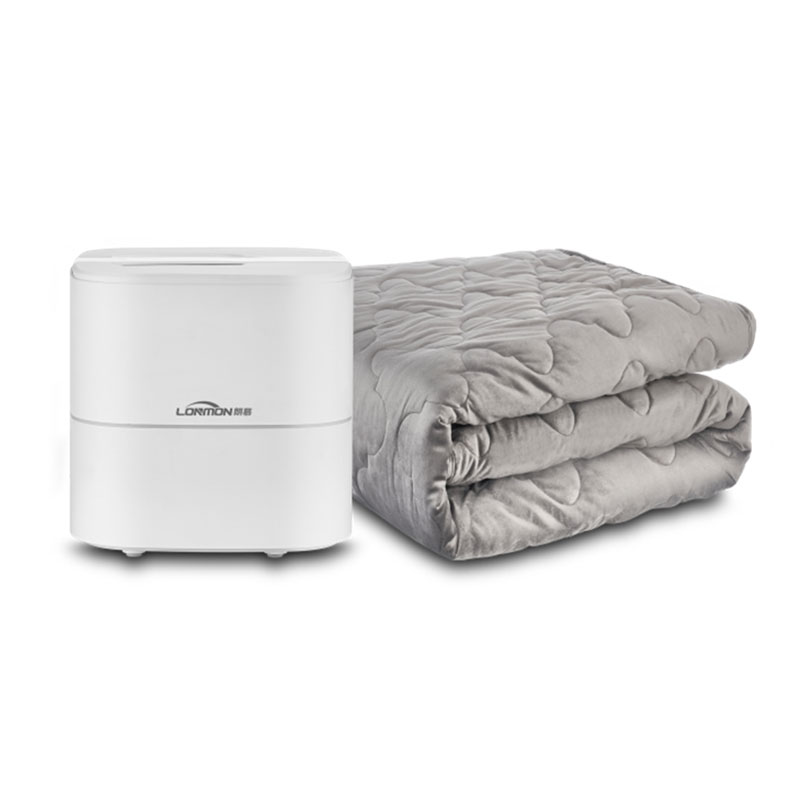
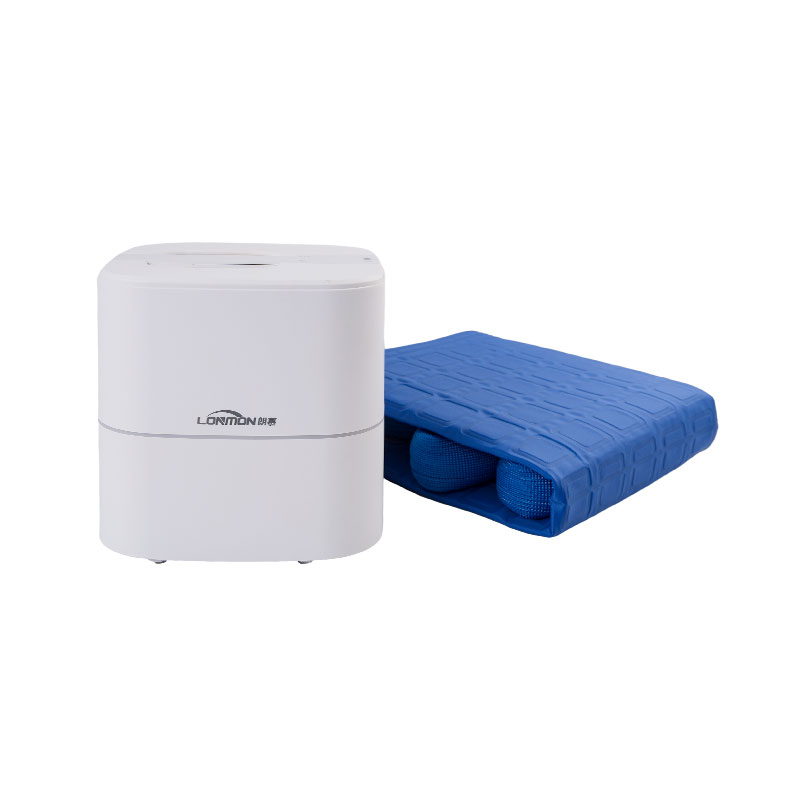
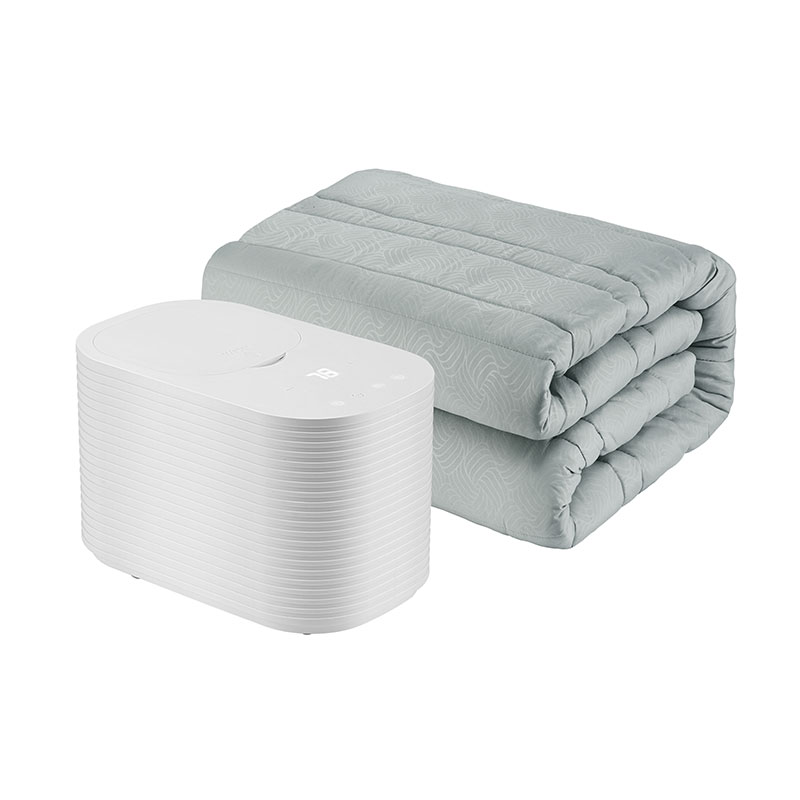
Water cooled mattresses use a closed-loop system where water circulates through thin tubes or channels embedded in the mattress or mattress topper. A control unit regulates water temperature and flow rate to ensure consistent cooling performance.
Temperature Control Unit
The external control unit cools or heats the water before sending it through the mattress. Advanced models allow users to set specific temperatures, often adjustable within a range of 13°C to 46°C, providing both cooling and heating functions.
Heat Exchange Efficiency
Water has a higher thermal conductivity than air, enabling faster heat transfer. This allows water cooled mattresses to remove body heat more efficiently than air-cooled systems, resulting in quicker cooling response times.
Key Benefits in Practical Use
Water cooled mattresses offer several advantages that make them increasingly popular in both residential and professional settings.
- Precise temperature control allows customization for individual comfort preferences.
- Improved sleep quality by reducing overheating and night sweats.
- Energy efficiency compared to lowering room air conditioning temperature.
- Dual-zone options for couples with different temperature needs.
For example, reducing room temperature by 2°C can increase energy consumption significantly, while localized mattress cooling provides a more efficient alternative.
Comparison with Other Cooling Mattress Technologies
| Technology | Cooling Efficiency | Temperature Control | Energy Use |
|---|---|---|---|
| Water Cooling | Very High | Precise | Low to Moderate |
| Gel Foam | Moderate | Passive | None |
| Air Cooling | Moderate | Limited | Moderate |
Applications and Use Scenarios
Water cooled mattresses are suitable for a variety of environments beyond standard home use.
- Residential bedrooms, especially in warm climates.
- Healthcare environments where temperature regulation aids patient comfort.
- Athlete recovery settings requiring controlled cooling for muscle relaxation.
- Luxury hospitality sectors seeking enhanced guest experience.
In professional sports recovery centers, temperature-controlled sleep systems have been shown to improve recovery rates by maintaining consistent body temperature overnight.
Installation and Maintenance Considerations
Setup Requirements
Installation typically involves placing the cooling pad on top of or inside the mattress and connecting it to the control unit. Access to a power source and adequate ventilation for the control unit is necessary.
Water Quality and Refilling
Using distilled water helps prevent mineral buildup in the system. Depending on usage, refilling or replacing water every 1–3 months ensures optimal performance.
Cleaning and Longevity
Routine cleaning of the control unit and tubing prevents microbial growth. High-quality systems can last 5–8 years with proper maintenance.
Choosing the Right Water Cooled Mattress
Selecting a suitable water cooled mattress depends on several practical factors:
- Temperature range and control precision.
- Noise level of the cooling unit.
- Compatibility with existing mattress types.
- Energy consumption and operating costs.
For example, premium models with dual-zone control are ideal for couples, while compact units are better suited for single users or smaller spaces.