英语
英语 中文简体
中文简体How Water Circulation Heating Actually Works
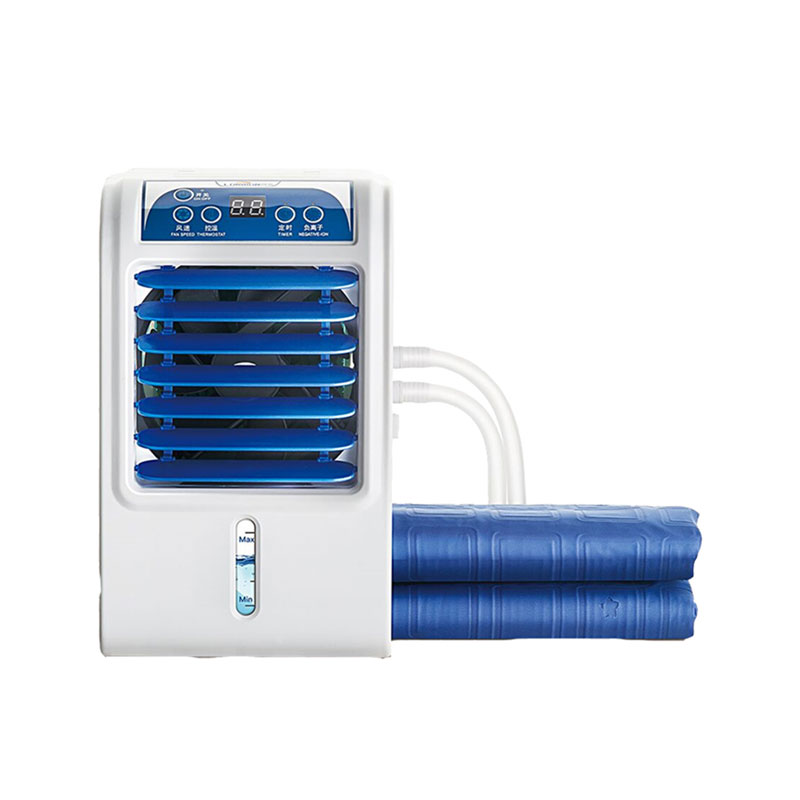
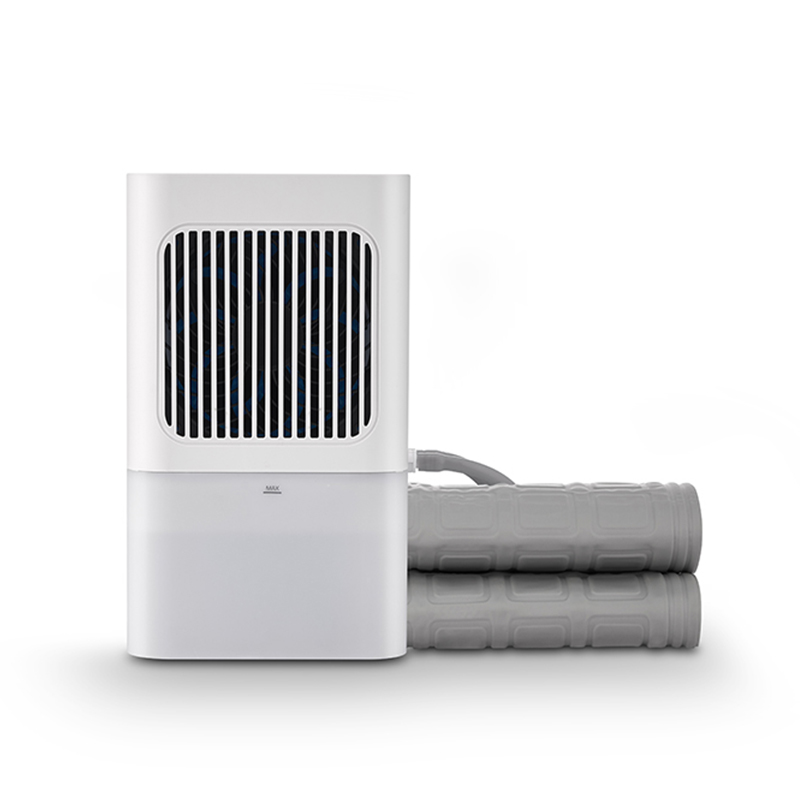
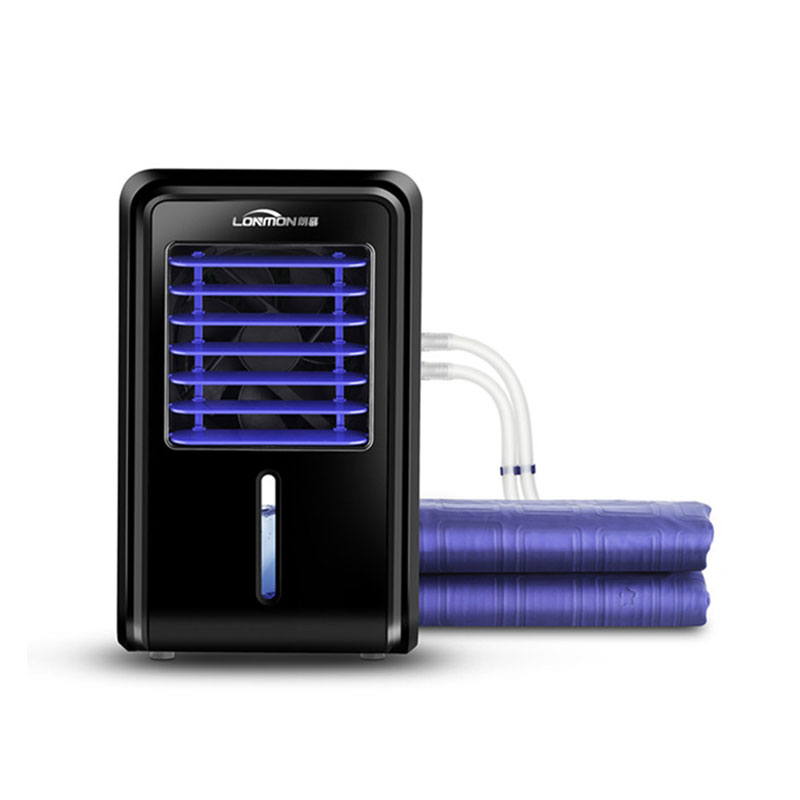
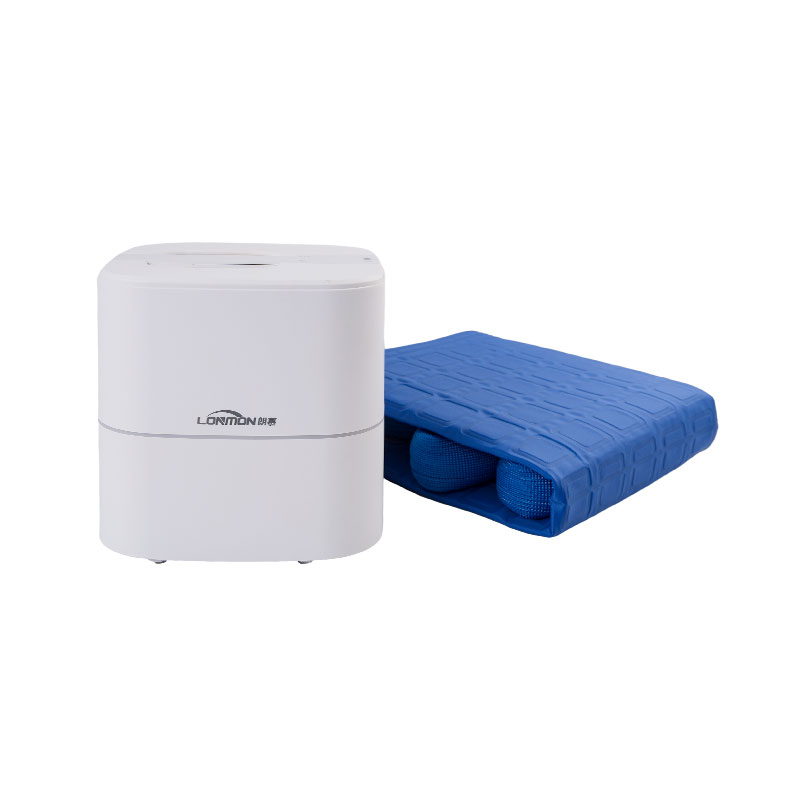
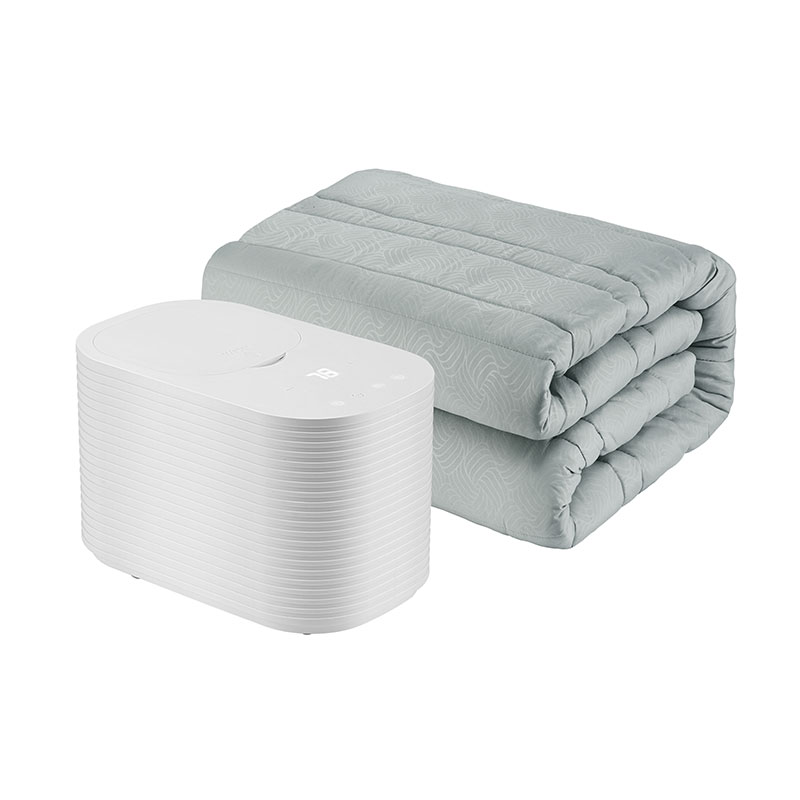
Unlike a conventional heated blanket that pushes electrical current through thin resistance wires woven into fabric, a water heating mattress relies on a separate external control unit that heats water in a sealed reservoir and pumps it through a network of flexible silicone or rubber tubing embedded inside the mattress pad. The water circulates in a closed loop, transferring heat to the mattress surface without any live electrical wiring touching the sleeper's body.
This separation matters for two practical reasons. First, the heating element — the part that actually gets hot — sits outside the bed entirely, usually on the floor or a nightstand, which lowers fire risk from crushed or bent internal wiring. Second, because water holds and distributes heat more evenly than metal wire, the surface temperature tends to fluctuate less, avoiding the hot-spot-and-cold-spot pattern many users report with wire-based pads.
Core Components
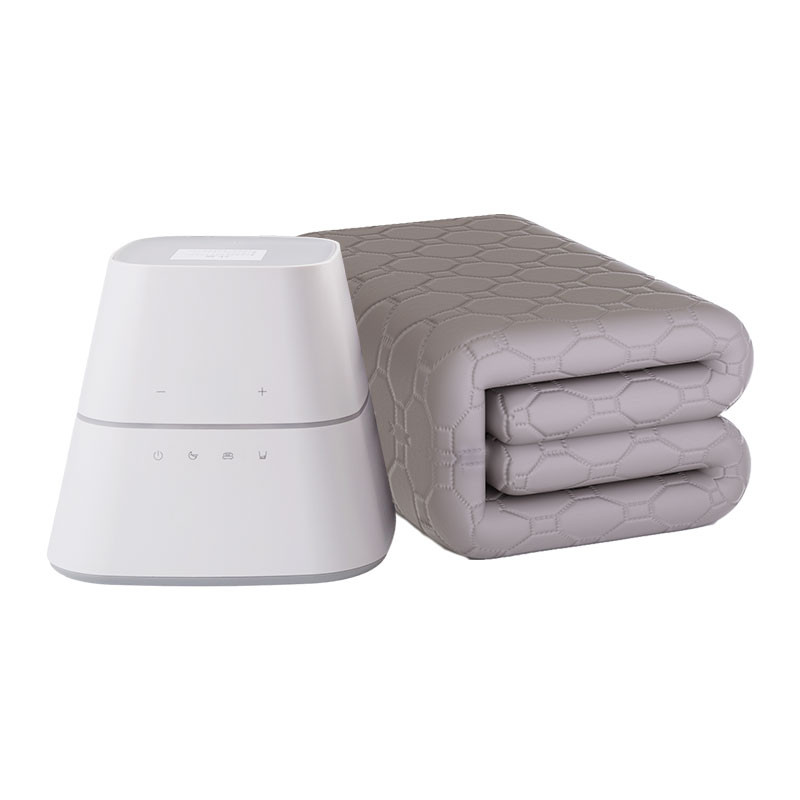
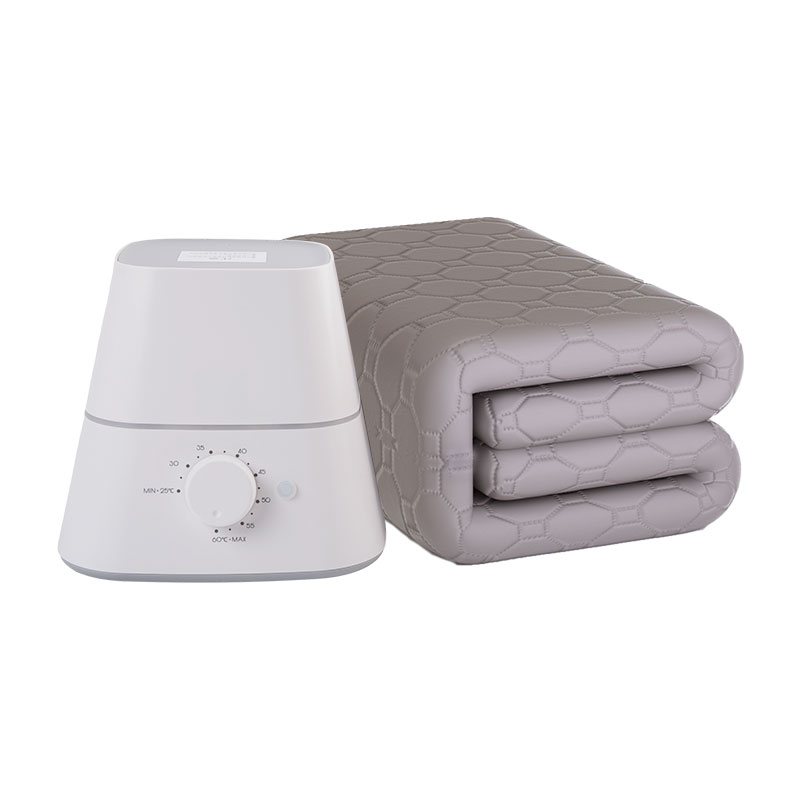
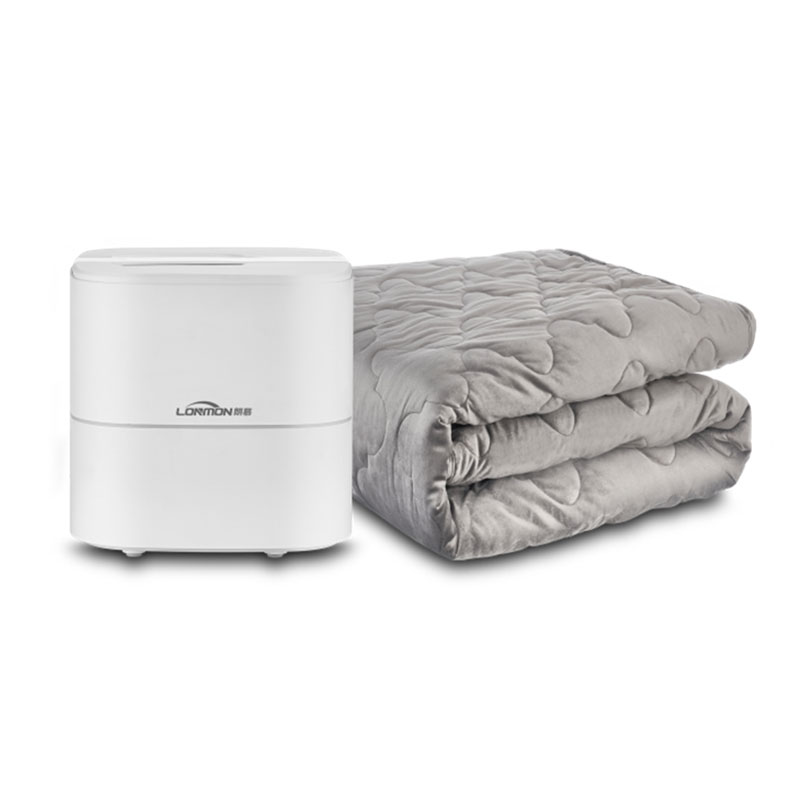
- Control unit: Houses the heating chamber, pump, and digital temperature regulator.
- Silicone tubing grid: Distributes hot water evenly across the pad's surface area.
- Insulated mattress layer: Usually cotton, bamboo fiber, or a polyester blend that holds heat while remaining breathable.
- Timer and multi-zone controller: Found on higher-end 2026 models, allowing different temperatures for each side of the bed.
Water Heating vs Electric Blanket: A Side-by-Side Comparison
Choosing between the two heating methods usually comes down to three factors: safety tolerance, cost, and how much control the user wants over warmth distribution. The table below breaks down the practical differences based on typical 2026 product specifications.
| Factor | Water Heating Mattress | Electric Wire Blanket |
| Heat source location | External control unit | Wires inside the blanket |
| EMF exposure near body | Minimal to none | Present, varies by shielding |
| Heat distribution evenness | Generally uniform | Can create hot/cold zones |
| Typical lifespan | 5–8 years with proper care | 3–5 years |
| Upfront cost | Higher (control unit + pad) | Lower |
| Maintenance needs | Periodic water refill/descaling | None beyond cleaning |
| Suitability for pregnant users | Generally considered lower-risk | Often advised against by manufacturers |
Safety Advantages That Matter in 2026
Bedroom fire statistics tied to electric heating products have pushed several regional safety agencies to tighten certification standards heading into 2026, and water-based systems have benefited from the shift because their design inherently avoids the most common failure point: frayed internal wiring under repeated body pressure.
Because the heating chamber never contacts the sleeper directly, the risk of localized burns from a malfunctioning wire is essentially eliminated. Most 2026-generation control units also include a low-water shutoff sensor, which stops the pump automatically if the reservoir runs dry — preventing the pump motor from overheating.
Real Energy Cost Numbers
Running cost is one of the most searched practical concerns, and the numbers are more favorable than most people expect. A typical control unit draws between 40 and 80 watts during active heating, then cycles down to a low-power maintenance mode once the water reaches target temperature — usually under 15 watts.
Over an eight-hour night, a mid-range unit set to a moderate temperature consumes roughly 0.3 to 0.5 kWh. At an average residential electricity rate, that translates to a nightly cost lower than running a single 60-watt lamp for the same period, making it considerably cheaper than central heating an entire bedroom overnight.
Monthly Cost Comparison (30 nights, 8 hours/night)
- Water heating mattress: Approximately 9–15 kWh per month
- Wire electric blanket, similar setting: Approximately 10–18 kWh per month
- Portable room space heater, low setting: Approximately 60–90 kWh per month
Choosing the Right Model for 2026
Product quality in this category varies widely, and the difference between a durable unit and one that leaks within a year usually comes down to a handful of specifications that are easy to check before purchase.
Features Worth Prioritizing
- Dual-zone control: Lets two people on the same bed set independent temperatures, which resolves a common household disagreement.
- Descaling reminder function: Mineral buildup inside the tubing is the leading cause of reduced heat output over time; units that prompt periodic maintenance last noticeably longer.
- Reinforced tubing at bend points: The corners of the mattress pad see the most flex stress; look for double-layer silicone reinforcement in these areas.
- Quiet pump operation: Pump noise below 30 decibels is generally unnoticeable during sleep; anything louder can disrupt light sleepers.
- Detachable, washable cover: A removable outer layer significantly extends the usable life of the pad between deep cleanings.
Who Benefits Most From This Heating Method
Certain groups tend to see the clearest advantage from switching to water-based heating rather than wire-based alternatives.
- People with joint or circulation conditions: Consistent, even warmth helps reduce stiffness without the risk of a hot wire pressing against sensitive skin during sleep.
- Couples with different temperature preferences: Dual-zone models resolve the classic "too hot on one side, too cold on the other" conflict.
- Households with young children or pets: The absence of live electrical current in the mattress layer reduces the consequences of accidental chewing, scratching, or pressure on the tubing.
- Anyone in a region with cold, damp winters: Water heating maintains humidity better than dry resistance-wire heat, which can help prevent the dry-throat and static discomfort common with older electric blankets.
Common Installation and Maintenance Mistakes
Most performance complaints trace back to a small set of avoidable errors rather than product defects.
| Mistake | Consequence | Fix |
| Using tap water instead of recommended distilled or filtered water | Faster mineral buildup, reduced heat efficiency | Refill with filtered water as specified in the manual |
| Folding the mattress pad sharply for storage | Tubing cracks or kinks at fold lines | Roll rather than fold when storing seasonally |
| Placing the control unit below bed level with tubing running uphill | Reduced pump efficiency, uneven heating | Position the unit at or above mattress height where possible |
| Ignoring descaling reminders | Progressive drop in maximum temperature | Descale every 3–6 months depending on water hardness |
Attention to these details tends to make the difference between a unit that performs consistently for five or more years and one that noticeably underperforms within its first winter. Since the technology depends on a closed water loop rather than exposed wiring, most issues are mechanical and preventable rather than electrical and hazardous — which is precisely the trade-off that has driven rising interest in this heating format heading into 2026.