英语
英语 中文简体
中文简体Electric Water Cooled Mattress Pad: A Complete Guide to Temperature-Regulated Sleep Technology
Understanding the Electric Water Cooled Mattress Pad: How It Works
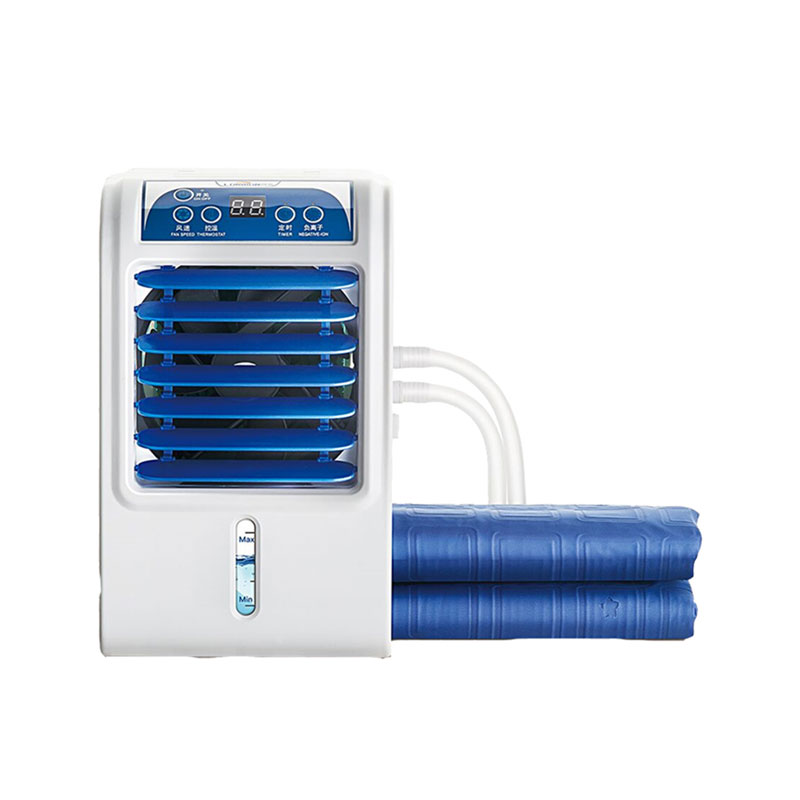
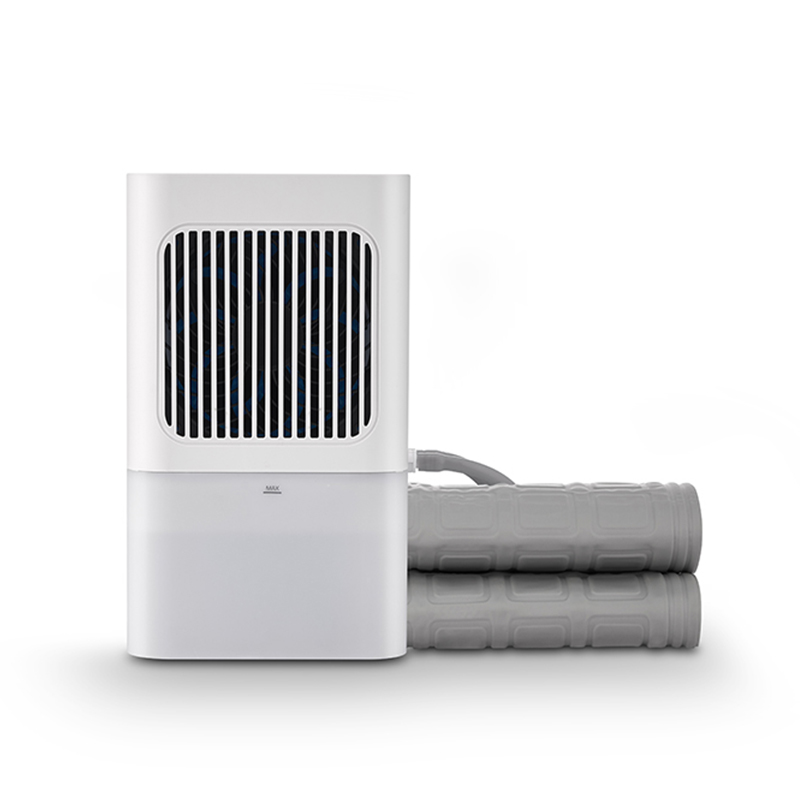
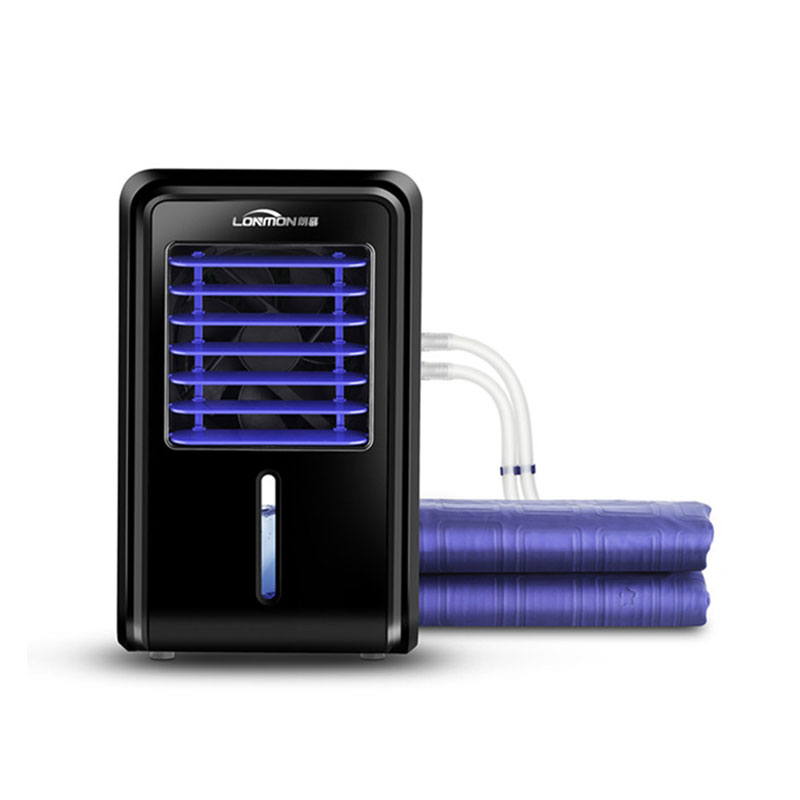
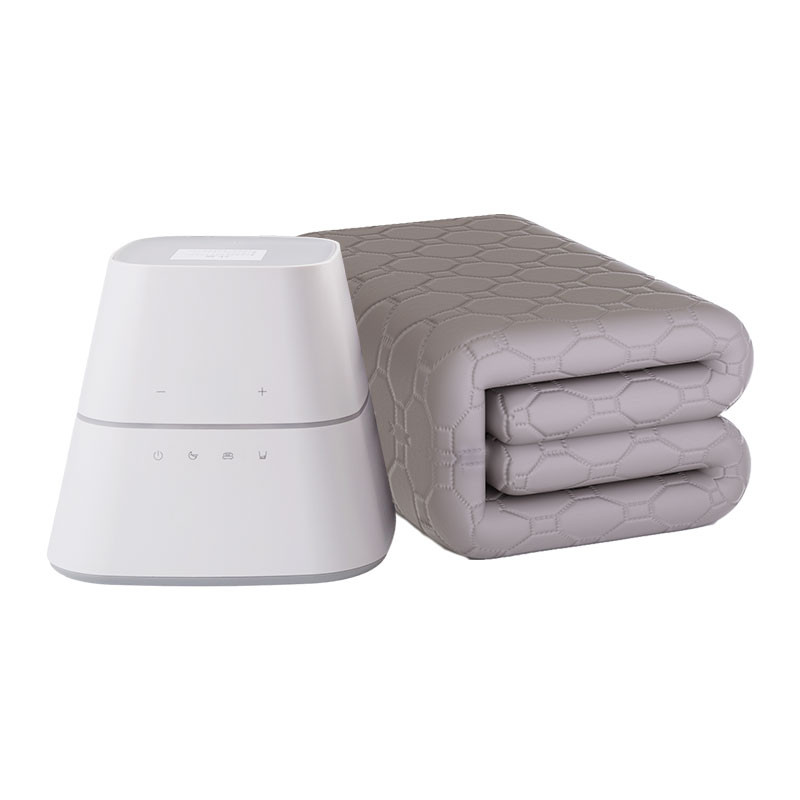
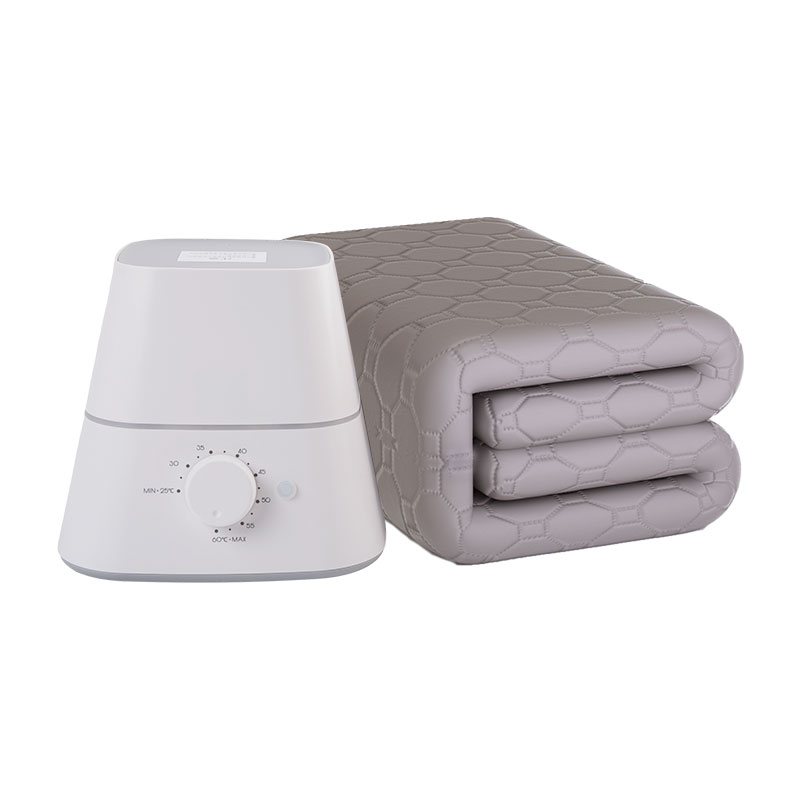
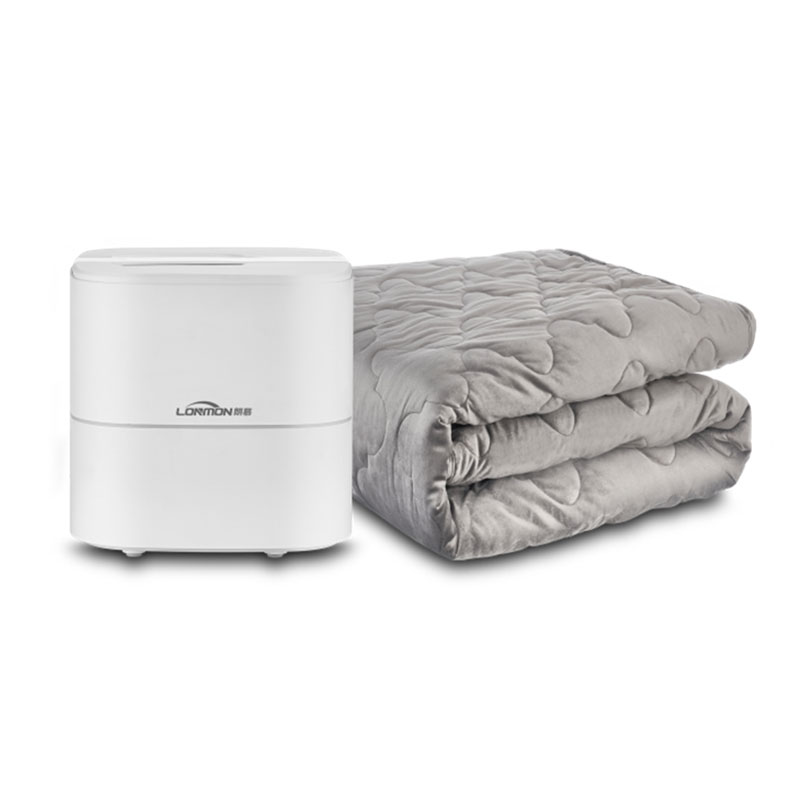
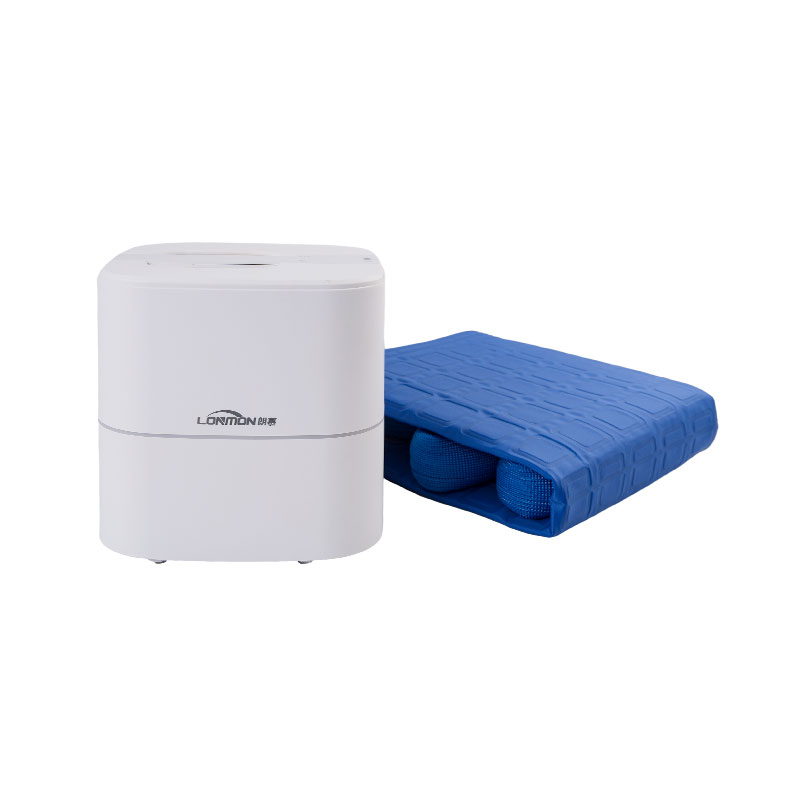
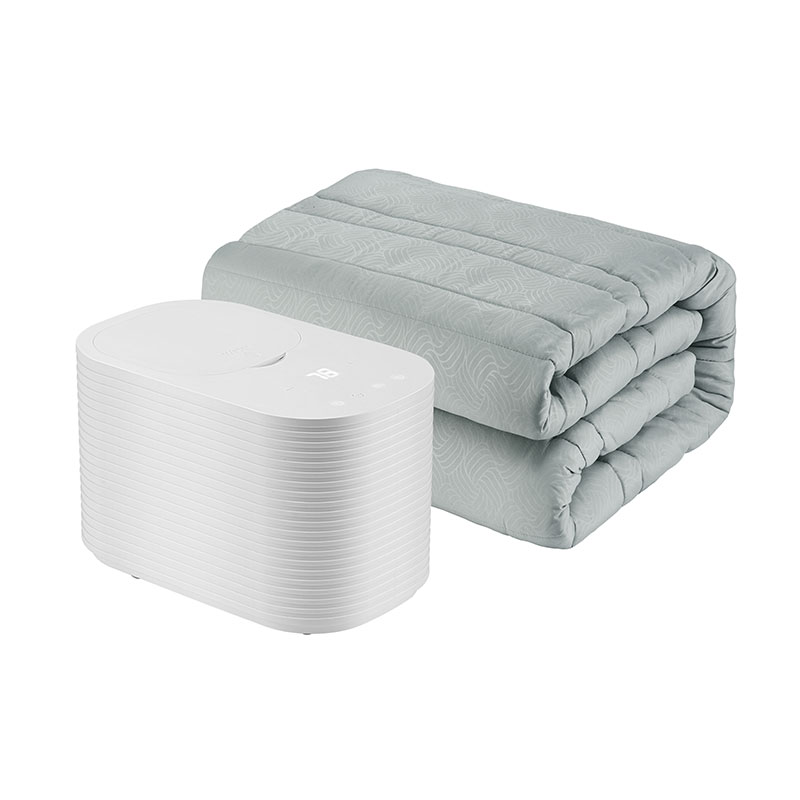
An electric water cooled mattress pad combines three core components: a thin mattress pad containing a network of micro-tubing, a compact water pump unit, and a thermoelectric or compressor-based cooling system. The system circulates chilled water through the pad's tubing network, drawing heat away from the sleeper's body through conduction.
The cooling mechanism is continuous and silent. Water flows through the pad at a rate of 1.5 to 3.5 liters per minute, exchanging heat with the cooling system before being recirculated. The result is a sleeping surface that remains consistently cool throughout the night, regardless of room temperature fluctuations. The electric water cooled mattress pad can also provide gentle warming for colder months, making it a year-round sleep companion.
Electric Water Cooled Mattress Pad vs. Alternative Cooling Solutions
The following table compares the electric water cooled mattress pad against other common sleep cooling technologies, highlighting performance, efficiency, and user experience differences.
| Parameter | Water Cooled Mattress Pad | Phase Change Mattress Pad | Cooling Gel Mattress Topper | Electric Fan (ambient) |
| Cooling Capacity | High (50-200W active cooling) | Low (passive, finite duration) | Moderate (passive, relies on airflow) | Low (evaporative only) |
| Temperature Control | Precise (adjustable 1C increments) | Limited (fixed phase change temp) | None (ambient dependent) | None |
| Cooling Duration | All night (continuous) | 2-4 hours (until PCM saturates) | Variable (heat accumulates) | Continuous (limited by ambient) |
| Energy Consumption | 40-120W | 0W | 0W | 10-30W |
| Noise Level | Quiet (25-35 dB, water pump) | Silent | Silent | 30-45 dB |
| Initial Cost | $250 - $600 | $80 - $150 | $100 - $200 | $20 - $50 |
Health Benefits: Why Temperature Matters for Sleep
The human body naturally cools during sleep, dropping core temperature by approximately 1 to 1.5 degrees Celsius to initiate and maintain restful sleep. An electric water cooled mattress pad supports this natural thermoregulation, potentially improving sleep quality in several measurable ways.
- Reduced Night Sweats: For menopausal women and individuals with hyperhidrosis, an electric water cooled mattress pad can eliminate disruptive night sweats. Clinical observations show that maintaining a bed surface temperature below 25 degrees Celsius reduces sweating episodes by up to 85%.
- Faster Sleep Onset: Studies indicate that cooling the body's core promotes faster sleep initiation. Users of water-cooled bedding typically fall asleep 15-20 minutes faster than those sleeping on conventional mattresses.
- Improved Deep Sleep: Core body temperature regulation is linked to slow-wave sleep duration. Maintaining optimal sleeping temperature with an electric water cooled mattress pad may increase deep sleep time by 10-15%.
Thermoelectric Cooling
Uses Peltier modules for solid-state cooling. No compressor, no refrigerant. Lower power consumption (40-70W). Ideal for mild cooling needs. Near-silent operation.
Compressor Cooling
Uses a refrigeration cycle for maximum cooling capacity. Can maintain surface temperatures 10-14C below ambient. Higher power consumption (100-200W). Best for hot sleepers in warm climates.
Dual-Zone Control
Advanced models offer independent temperature control for each side of the bed. Essential for couples with different temperature preferences. Each zone can be set to a different temperature.
Technical Specifications: What to Look For in an Electric Water Cooled Mattress Pad
When evaluating an electric water cooled mattress pad, several technical specifications will determine its performance and suitability for your needs.
- Cooling Power (BTU/hr or W): This rating indicates the system's capacity to remove heat. A higher rating means faster cooling and better performance in warm rooms. Look for at least 150W of cooling capacity for effective temperature regulation.
- Water Flow Rate: Flow rates between 1.5 and 3.5 L/min ensure efficient heat exchange. Higher flow rates provide more consistent temperature across the entire sleeping surface.
- Temperature Range: Most electric water cooled mattress pad units offer adjustable temperatures from 15 to 38 degrees Celsius. A wider range provides more flexibility for both cooling and warming needs.
- Pad Material: The pad should be constructed from breathable, moisture-wicking materials. Look for cotton-polyester blends or bamboo-derived fabrics that feel comfortable against the skin.
Installation and Setup of Your Electric Water Cooled Mattress Pad
Setting up an electric water cooled mattress pad requires minimal effort and tools. The typical installation process takes 15-30 minutes.
- Step 1: Remove the mattress pad from its packaging and allow it to expand to its full size. Lay it flat on top of your existing mattress, ensuring the tubing network is evenly distributed.
- Step 2: Place the water pump/cooling unit on a flat, stable surface near the bedside table or on the floor. Ensure adequate clearance for airflow around the cooling unit.
- Step 3: Connect the hoses from the pad to the cooling unit, ensuring they are securely attached to prevent leaks. Most modern units use quick-connect fittings that are leak-proof when properly engaged.
- Step 4: Fill the reservoir with distilled or filtered water, following the manufacturer's recommended capacity. Some units include automated filling and priming functions.
- Step 5: Plug in the unit, set your desired temperature, and allow 5-10 minutes for the system to reach operating temperature before sleeping.
Energy Efficiency and Operating Costs of Electric Water Cooled Mattress Pads
Compared to whole-room air conditioning, an electric water cooled mattress pad is remarkably energy-efficient. Central air conditioning consumes 2,000 to 5,000 watts to cool a room, whereas a water-cooled mattress pad uses 50 to 200 watts to cool just the sleeping surface.
The annual operating cost calculation is straightforward. A typical electric water cooled mattress pad draws 100 watts. Used for 8 hours per night, the daily consumption is 0.8 kWh. At an average electricity rate of $0.15 per kWh, the nightly cost is approximately $0.12, or $44 per year. By comparison, lowering a room thermostat by just 3 degrees Celsius can cost over $200 annually, assuming a 2,500-watt air conditioner running for the same duration.
For households considering the upgrade from passive cooling solutions, the electric water cooled mattress pad offers an attractive return on investment, especially for those who keep their room temperature higher and rely solely on the pad for personal cooling.
Critical insight for heat-sensitive sleepers: The most effective electric water cooled mattress pad units include a programmable thermostat that adjusts cooling intensity throughout the night. Advanced models can follow a sleep temperature curve, providing more cooling during the first sleep cycle and gradually reducing cooling as the body naturally warms toward morning.
Maintenance and Care for Your Electric Water Cooled Mattress Pad
Proper maintenance is essential to ensure your electric water cooled mattress pad provides years of reliable service. The primary maintenance activities are:
- Water Quality Management: Always use distilled or filtered water to prevent mineral buildup in the tubing and pump. Tap water contains minerals that can scale the micro-tubing, reducing flow rates and cooling efficiency. Replace the water every 3-6 months to maintain optimal performance.
- Pad Washing: The mattress pad portion can typically be removed and machine-washed on a gentle cycle. Use mild detergent and air-dry thoroughly before reinstallation.
- Air Filter Cleaning: Units with forced-air cooling (using a fan to dissipate heat from the cooling module) require periodic air filter cleaning. A clean filter ensures proper heat dissipation and prevents the unit from overheating.
- Descaling: If you notice reduced cooling performance, the system may require descaling. Use a commercial descaling solution designed for water cooling systems, following the manufacturer's instructions.
Troubleshooting Common Issues with Electric Water Cooled Mattress Pads
While electric water cooled mattress pad systems are generally reliable, users may occasionally encounter issues. The following are the most common problems and their solutions:
- Inadequate Cooling: Check the water level in the reservoir, ensure the air filter is clean, and verify the temperature setting is appropriate. If cooling remains insufficient, inspect for kinks in the tubing that may restrict water flow.
- Noise or Vibration: Unusual noise from the pump often indicates trapped air in the system. Run the priming cycle or bleed the air from the hoses to restore quiet operation.
- Leaks: Inspect all hose connections for tightness. Leaks most frequently occur at the fitting points; tightening or replacing O-rings usually resolves the issue.
- Inconsistent Temperature: If some areas of the pad feel warmer than others, air pockets may be present in the tubing. Run the system at high flow for 10-15 minutes to purge trapped air.
Ideal User Profiles for Electric Water Cooled Mattress Pads
While anyone can enjoy the comfort of an electric water cooled mattress pad, certain groups derive particular benefit from the technology.
- Menopausal Women: Hormonal changes associated with menopause often cause disruptive night sweats and hot flashes. An electric water cooled mattress pad provides rapid relief, often eliminating the need for fan or AC adjustments during the night.
- Individuals with Hyperhidrosis: Those with excessive sweating conditions benefit from the continuous heat extraction, maintaining a dry and comfortable sleeping environment.
- Couples with Different Temperature Preferences: Dual-zone electric water cooled mattress pad units allow partners to set different temperatures on their respective sides, eliminating the conflict over thermostat settings.
- Athletes and Performance Sleepers: Athletes often seek enhanced recovery through optimal sleep. The temperature regulation provided by an electric water cooled mattress pad may support faster muscle recovery and better overall sleep quality.
Is an Electric Water Cooled Mattress Pad Worth the Investment?
The decision to invest in an electric water cooled mattress pad involves weighing the upfront cost against the long-term benefits in sleep quality, energy savings, and potential health improvements.
Consider the 10-year ownership perspective. A premium electric water cooled mattress pad costs approximately $450. Annual operating costs of $44 yield a total 10-year cost of $890. Contrast this with the cost of replacing an aging mattress due to sweat damage (potentially $800-$1,200 per mattress), or the energy costs of lowering room temperature for a decade (over $2,000).
For many users, the improvement in sleep quality alone justifies the investment. Sleep researchers have long established that improved sleep correlates with better cognitive function, emotional regulation, and physical health. For high-value customers who prioritize wellness, the electric water cooled mattress pad represents a meaningful investment in personal health and daily performance.